
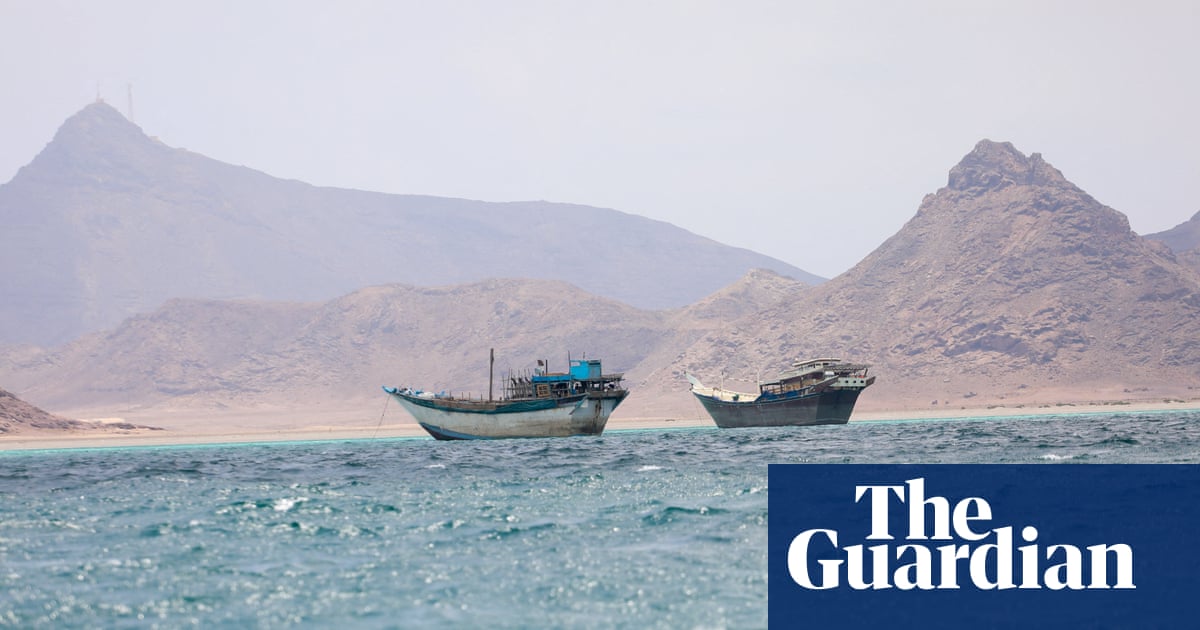
In recent developments, the Iranian-aligned Houthi militia from Yemen has sternly advised shipping companies about the potential dangers of using Saudi Arabian ports. This warning came shortly after the militia declared a blockade on maritime activities affecting these ports, heightening concerns for global shipping within the strategically significant Red Sea.
Houthi Threats Impacting Global Shipping
The Houthis’ warning is not merely a local concern; it poses a direct threat to the extensive Saudi oil exports that have so far remained unscathed amidst the ongoing conflict. Following the Houthi announcement, two oil tankers, loaded with Saudi crude destined for China and India, abruptly changed course away from the Houthi-controlled shores at the Red Sea’s entrance and redirected towards the Suez Canal. Reports indicate that the Houthis claimed six vessels had modified their routes, a clear indication that shipping entities are taking the threat seriously.
Former President Donald Trump weighed in, asserting that the U.S. is prepared to take necessary action should the Houthis execute their threats, suggesting that past U.S. military engagements had quieted Houthi activity. The escalation of tensions is also intertwined with ongoing diplomatic efforts to revive a stalled interim agreement between Iran and the United States. Despite the turbulence, diplomats are still pushing for discussions, alongside Iran’s Interior Minister’s trip to Pakistan aimed at mediating the conflict.
Concerns Over Red Sea Navigation
The implications of this blockade are significant for global shipping routes, particularly as the Bab el-Mandeb Strait is crucial for about 7% of the world’s maritime traffic. Although the Houthis have not formally declared the strait closed, their recent threats have raised alarm over navigation safety. Shipping companies have received emails urging caution, warning that loading and unloading cargo at Saudi ports could make them susceptible to attacks. In these communications, the Houthis recommended thorough due diligence regarding maritime activities in the region.
Experts, such as Allison Minor from the Atlantic Council, have highlighted that while the specifics of the Houthis’ targeting remain vague, their intent to disrupt Saudi port activity affects any ship associated with the Saudi oil trade. The majority of oil exported through the region is directed towards Asian markets, and past interactions with Russia and China show the Houthis’ strategic maneuvering to facilitate trade while retaliating against Saudi interests.
The Geopolitical Ramifications
The ongoing situation illustrates how the Houthis’ actions may be influenced by broader geopolitical motivations, particularly their long-standing hostilities with Riyadh. Iran appears keen to leverage the conflict to disrupt global energy supplies, especially if the U.S. persists in its military actions against Iranian interests. Analysts posit that these threats against maritime traffic might serve as a tactical counterbalance to U.S. efforts in the Strait of Hormuz, reinforcing Iran’s position in the current geopolitical chess match.
As both sides ramp up military operations and exchanges, the potential impact on global oil and gas shipments becomes increasingly profound. With critical routes like the Bab el-Mandeb and the Strait of Hormuz at stake, disruptions could lead to significant economic ramifications that extend well beyond the immediate area. The U.S. military’s recent operations targeting Iranian facilities further complicate this urgent situation and reflect ongoing tensions in the Middle East.
Given the interconnectedness of these events, shipping companies must stay informed and vigilant amid the uncertainty, as the conflict continues to escalate. With substantial implications for global trade, preserving maritime navigability in the face of such threats is critical to the stability of the international oil market.