
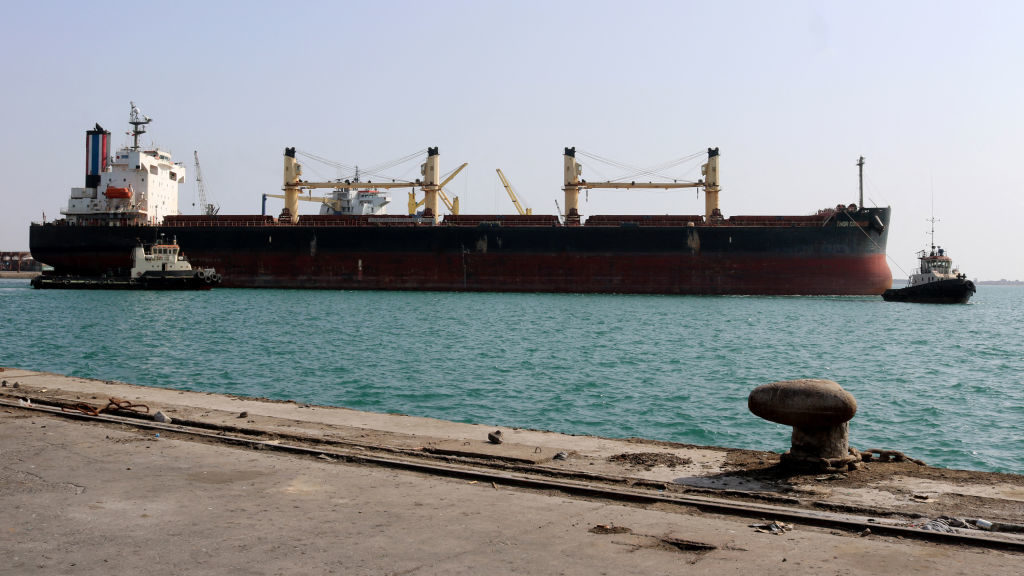
Arab nations and Islamic organizations are standing firmly behind Saudi Arabia following accusations from Yemen’s Houthi movement. The Houthis have claimed that Riyadh is besieging the Yemeni people and obstructing maritime navigation, additionally announcing what they call a naval embargo against Saudi Arabia. These allegations have raised significant concerns regarding security in the Red Sea and the safety of commercial shipping activities.
Qatar’s Support for Saudi Arabia
Qatar has been prominently vocal in its support, directly dismissing the Houthi claims and expressing complete solidarity with Saudi Arabia. The Qatari government has emphasized that any measures taken by Riyadh to protect its security and sovereignty will have Doha’s backing. Moreover, Qatar reiterated that the security of Saudi Arabia is intricately linked with the security of other Gulf Cooperation Council (GCC) nations. This collective stance signifies a united front among the Gulf states against any destabilizing actions.
The Importance of Navigational Freedom
Beyond the accusations, Qatar’s Foreign Ministry has shifted the focus toward broader legal and strategic implications. It has urged the international community to uphold UN Security Council Resolutions 2216 and 2722. These resolutions not only address the conflict in Yemen but also emphasize the critical importance of freedom of navigation in the Red Sea. Doha has asserted that ensuring unhindered passage through international waters is a fundamental principle of international law, reinforcing the need for adherence to the UN Convention on the Law of the Sea.
Regional Unity Against Houthi Claims
The GCC, along with nations such as Jordan and Kuwait, echoed Qatar’s sentiments, labeling the Houthi allegations as baseless. GCC Secretary-General Jasem Mohamed Albudaiwi pointed out that such claims aim to distract from the Houthis’ own contribution to the deteriorating conditions in Yemen and the destabilization of the region. He issued a stern warning that threats to international shipping and trade violate established international laws and relevant UN resolutions, highlighting the region’s commitment to uphold law and order in maritime activities.
Condemnations from Islamic Institutions
The Muslim World League also condemned the Houthi statements, calling them an attempt to evade accountability for the humanitarian crisis in Yemen. Its Secretary-General, Mohammed Al-Issa, highlighted the adverse impacts of Houthi attacks on civilian infrastructure, oil facilities, and commercial vessels, contrasting these actions with Saudi Arabia’s humanitarian efforts and development support aimed at assisting Yemen. This condemnation showcases a broader narrative that holds the Houthis accountable for the ongoing turmoil in the region.
In light of these escalating tensions, the Houthis have reportedly cautioned shipping companies against engaging with Saudi ports, threatening that vessels that do so might be targeted based on the group’s operational capacity. This warning indicates a serious escalation in rhetoric and may deepen concerns within the international community regarding the stability of shipping routes in the Red Sea. With various nations expressing solidarity with Saudi Arabia, the situation continues to highlight the fragile balance of security and humanitarian concerns in the region.