
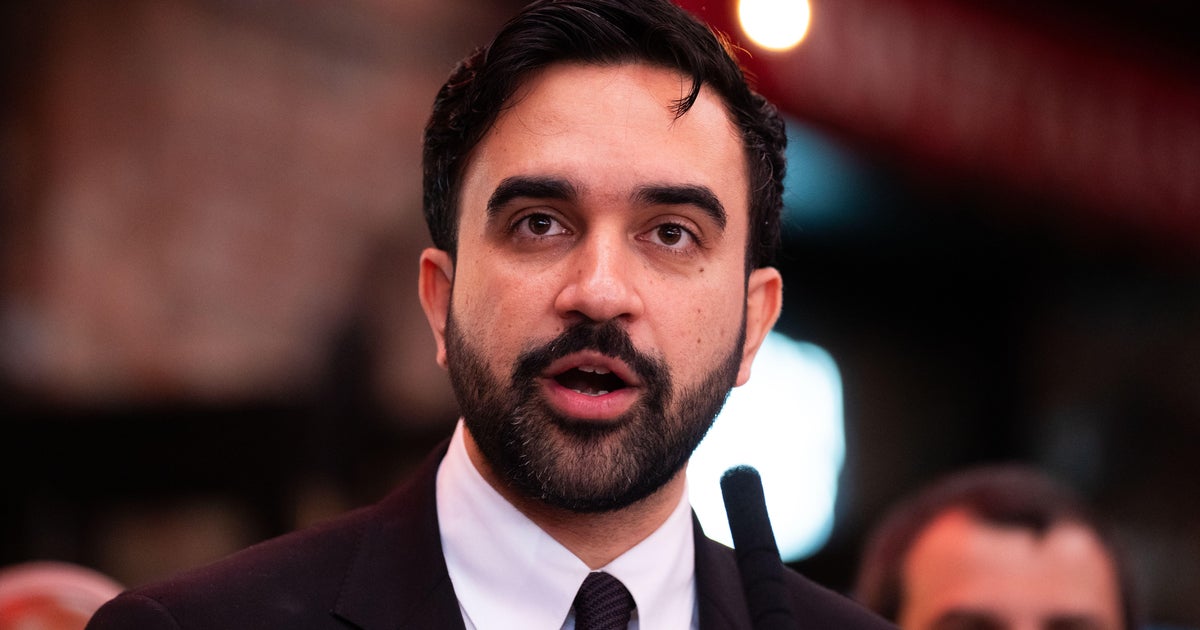
New York City Mayor Zohran Mamdani recently acknowledged that the city lacks the legal authority to arrest Israeli Prime Minister Benjamin Netanyahu. This declaration comes in the wake of Mamdani’s earlier commitment during his election campaign to enforce an International Criminal Court (ICC) arrest warrant should Netanyahu visit the city, especially during the upcoming United Nations General Assembly.
Mayor’s Campaign Vows and Current Reality
Throughout his mayoral campaign, Mamdani asserted that if Netanyahu set foot in New York City, he would oblige the ICC arrest warrant due to allegations of war crimes tied to Israel’s actions in Gaza. Despite standing firm on this matter in the lead-up to the event, Mamdani announced through social media that his administration found no legal pathway to enforce this warrant. “My administration has reviewed every avenue available under applicable law to determine whether New York City could execute the International Criminal Court’s arrest warrant if Benjamin Netanyahu came here,” he stated, making it clear that the city does not possess the independent legal authority to act on such an order.
Mamdani has shifted his focus, urging the federal government to take the reins in this situation. He labeled Netanyahu as a “war criminal” and the “architect of a horrific genocide against the Palestinian people,” spotlighting his concerns about ongoing human rights violations.
Reactions from Israeli Officials and the Political Landscape
Israeli Ambassador to the United Nations, Danny Danon, expressed strong disapproval of Mamdani’s comments, accusing him of echoing propaganda. In a pointed message on social media, he stated, “Zohran Mamdani, ENOUGH. Enough with the blood libels.” Danon emphasized that Mamdani was elected to serve the interests of New Yorkers, not to propagate views aligned with Hamas.
Meanwhile, former President Donald Trump also weighed in, declaring on Truth Social that Netanyahu “will not be arrested, in any way, shape, or form, while in the United States of America.” This political backing underscores a complex web of international relations and domestic politics surrounding the ongoing Israeli-Palestinian conflict.
The Role of the International Criminal Court (ICC)
The ICC has been a focal point for the pursuit of accountability concerning alleged war crimes in conflicts around the globe. The United States, however, is not a signatory to the treaty that established the ICC and generally does not recognize its legal authority. This specific aspect complicates the potential for arresting leaders like Netanyahu, as the U.S. government maintains that it does not support ICC jurisdiction over its own citizens or allies.
In May 2024, the ICC issued arrest warrants against Netanyahu, former Israeli Defense Minister Yoav Gallant, and various Hamas officials following investigations into the violent events of October 7, 2023. This investigation examined both Hamas’s attack, which resulted in significant Israeli casualties, and the subsequent military response from Israel that led to a staggering number of Palestinian deaths. Human rights organizations continue to press for responsibility and accountability from both sides.
Israel’s Position and Ongoing Tensions
Israel has vociferously condemned the arrest warrants, branding them as politically motivated and lacking foundation. Netanyahu’s office has described the ICC as a biased institution that distorts the narrative regarding Israel’s military conduct. The Israeli government maintains that its military operations are aimed at protecting civilians while attributing blame to Hamas for placing their military assets in civilian areas.
The complexities of this issue remain heightened, given the backdrop of continuous conflict, humanitarian crises, and a deep-seated historical enmity. As discussions continue, the situation exemplifies the intersection of local governance, international law, and diplomatic relations, underscoring the challenges in seeking justice and peace in a historically fraught region.