
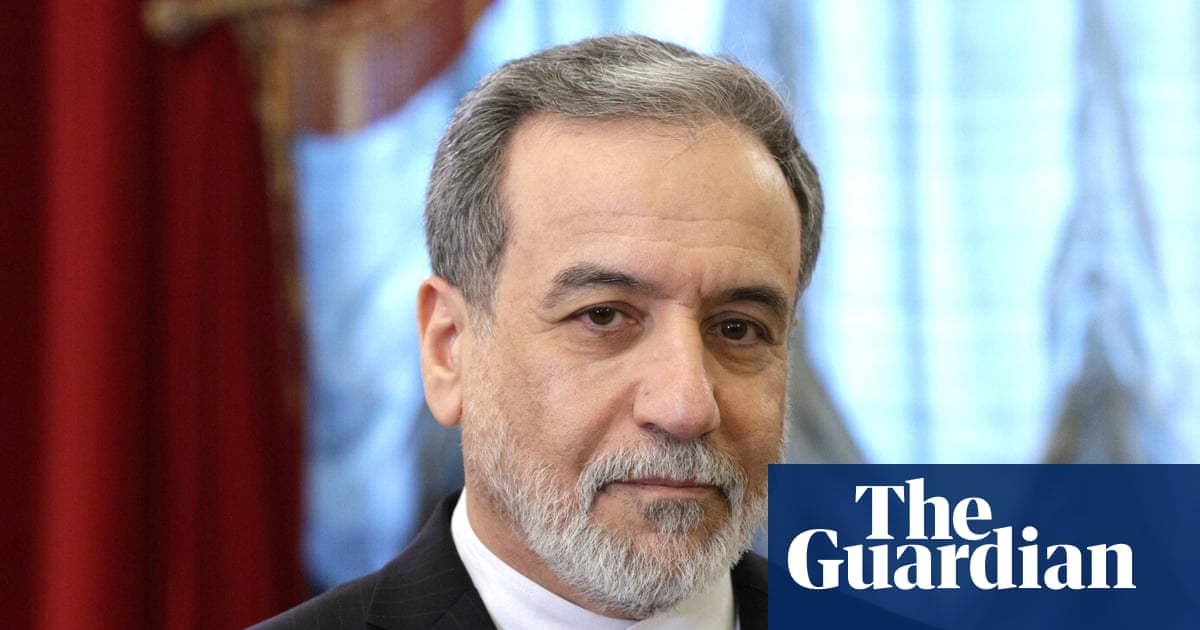
Abbas Araghchi, Iran’s foreign minister, recently recounted his harrowing experience of surviving an airstrike that claimed the life of Supreme Leader Ali Khamenei, which marked the onset of a significant conflict. In a revealing conversation with Iranian journalist Javad Mogouyi, Araghchi discussed the challenges faced by Iran’s leadership following this devastating attack and the implications for the nation’s future.
The Aftermath of the Airstrike
Following the airstrike, which targeted a leadership compound during a critical gathering of Iranian officials, Araghchi found himself amidst chaos. The attack was coordinated by the United States and Israel, both of which appeared to possess detailed intelligence on Khamenei’s whereabouts. As the building shook from multiple blasts, Araghchi was able to escape just as his surroundings crumbled. His recollection reflects not only the immediate physical dangers but also the psychological impact of such a targeted assault on a nation’s leadership.
In reflecting on the Israeli-U.S. operation, Araghchi noted a troubling gap in Iran’s security protocols. He highlighted that the enemy’s precise knowledge of high-level meetings pointed to vulnerabilities that need immediate attention. Even amidst the significant loss of life and turmoil, he underscored his belief that the essence of the Iranian regime and its policies would remain unchanged under the new leadership of Khamenei’s son, Mojtaba, stating it conveyed a message of resilience to the world.
Diplomacy in Times of Conflict
Prior to the outbreak of widespread hostilities, Araghchi expressed skepticism about the likelihood of successful negotiations with the U.S., despite engaging in discussions earlier that year. He mentioned a diplomatic overture concerning Iran’s nuclear program, which he claims was met with an abrupt shift in Washington’s attitude. This highlights the fragile state of diplomatic ties and the ever-present tension that underlies Iran’s international relations.
Through the turbulent aftermath, Iran’s leaders have remained vigilant and proactive. Araghchi conveyed that readiness for retaliation had been part of their strategic planning, particularly concerning the Strait of Hormuz, which is critical for global oil transport. Such military preparedness is indicative of Iran’s larger strategy to deter further aggression, signaling that any future attacks would not go unanswered.
The Broader Implications for Regional Stability
Araghchi’s remarks on the geopolitical landscape underscore Iran’s understanding of regional dynamics, asserting that any attack could have severe repercussions not just for Iran, but also for the countries hosting U.S. military bases. He warned that strikes on Iranian soil would lead to direct confrontations in the region, potentially destabilizing neighboring countries and disrupting global energy supplies.
Amidst these rising tensions, Iranian officials, including Araghchi, have actively sought to leverage existing divisions between the U.S. and Israel to their advantage. This approach reflects a nuanced strategy aimed at maintaining Iran’s influence while navigating the complexities of international rivalries. In addition, the Iranian response to military threats has evolved, with advancements in missile technology that allow for rapid mobilization and defense with reduced response times.
In conclusion, the ongoing conflict and its ramifications for both Iran and the region are profound. Araghchi’s insights offer a glimpse into the resilience of Iranian leadership and the complexities of navigating a precarious geopolitical landscape, wherein the stakes are high and the consequences of actions are far-reaching.