
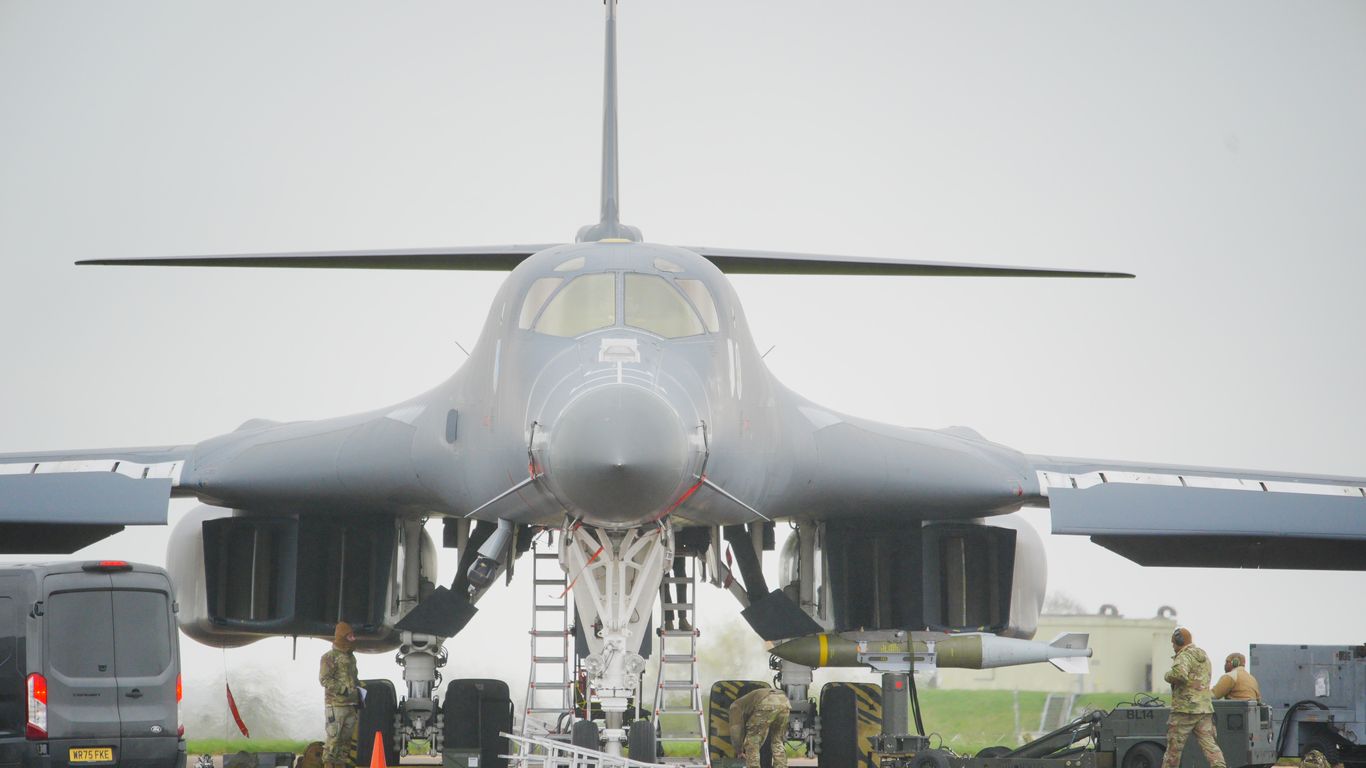
Introduction to Increased U.S. Military Engagement
Recently, the U.S. military has taken significant steps to intensify its operations overseas. This escalation signals a pivotal moment in American foreign policy, raising questions about the future trajectory of U.S. involvement in global conflicts. Moreover, it highlights the complexities and challenges that come with military engagement in volatile regions.
The Rationale Behind the Escalation
The decision to ramp up military activity is often influenced by various geopolitical factors. National security concerns, including the threat of terrorism, regional instability, and international conflicts, compel the U.S. to act decisively. Policymakers argue that a stronger military presence can deter adversaries and reassure allies. However, such actions are not without controversy, as they can also lead to unintended consequences, including civilian casualties and prolonged conflicts. A clear understanding of the rationale behind military escalations is essential for comprehending U.S. foreign policy.
Implications for International Relations
Increased military engagement can have profound implications for America’s relationships with other countries. Allies may feel more secure with a robust U.S. presence, but adversaries could perceive this as an act of aggression, potentially escalating tensions further. The delicate balance in international diplomacy is often disrupted by military maneuvers, making it crucial for policymakers to consider the wider ramifications of their actions. They must navigate a complex landscape where military strength must be weighed against the need for diplomacy and negotiation.
The Public’s Response to Military Actions
Public opinion plays a vital role in shaping foreign policy, particularly when military actions are involved. Citizens often express mixed feelings about military involvement overseas. While some support aggressive measures to safeguard national interests, others advocate for caution and diplomatic solutions. Transparent communication from government officials about the reasons for military escalation is vital to maintaining public trust and support. Engaging the public in discussions about foreign policy and military action can also foster a more informed citizenry and encourage active participation in democratic processes.
Conclusion: Navigating Challenges Ahead
As the U.S. military embarks on this new phase of engagement, the challenges ahead are considerable. Striking the right balance between military action and diplomatic efforts will be crucial in fostering stability in affected regions. The complexities of international relations require careful consideration and a focus on not only national interests but also on global peace and security. Understanding the motivations behind military escalations will better prepare both leaders and citizens for the uncertain path that lies ahead.