
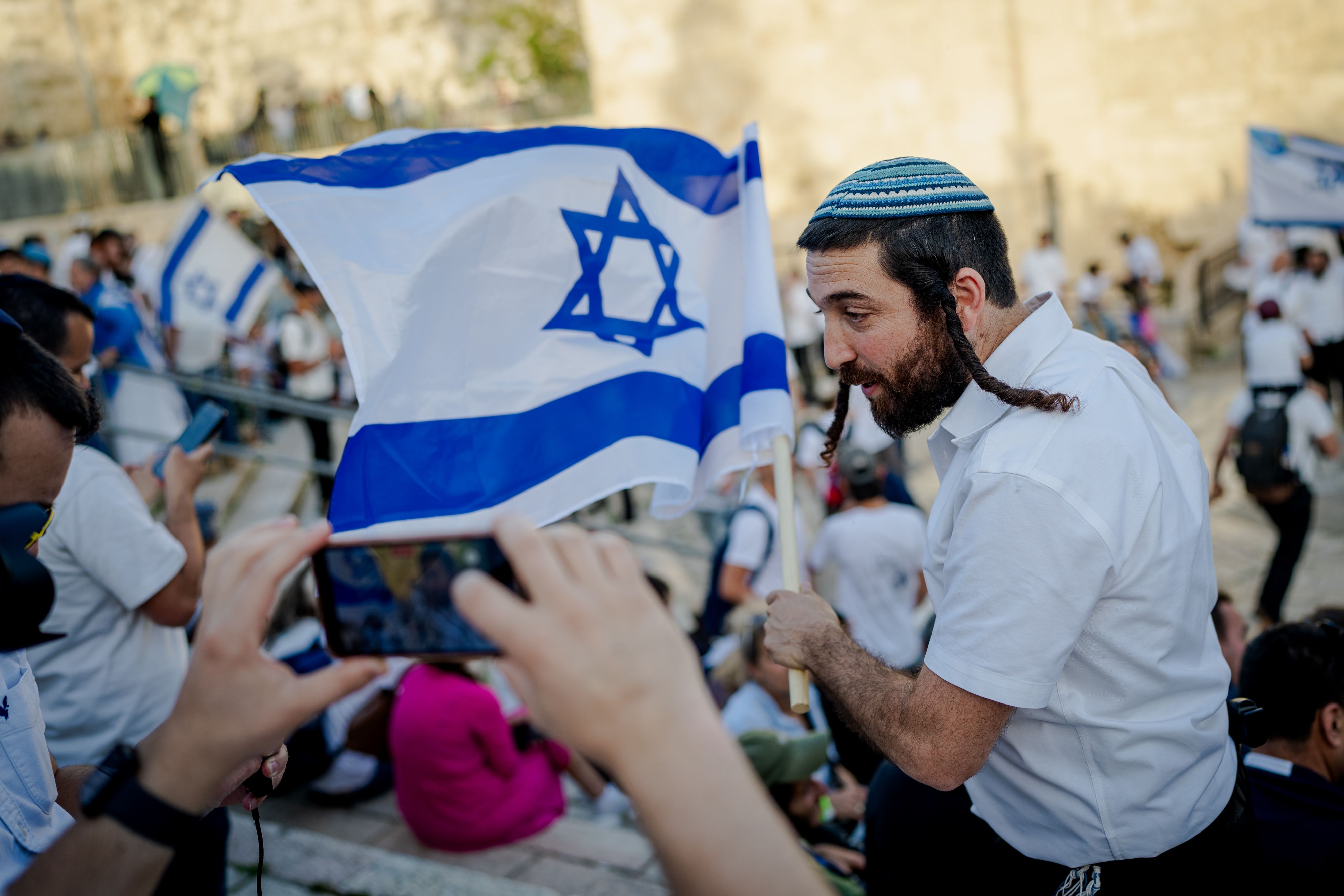
Israel experienced one of its most significant strategic setbacks this year, raising concerns about potential long-term consequences for its security and stability. This unprecedented event has generated widespread discussions about the future of the nation and its geopolitical standing.
Unprecedented Challenges Faced by Israel
This year, Israel confronted a series of challenges that have fundamentally altered its strategic landscape. The combination of internal turmoil and external pressures has created a complex environment that leaves the nation vulnerable. Analysts are closely examining how these events might pave the way for changes in international alliances, conflict dynamics, and regional power balances.
The ramifications of such setbacks extend beyond immediate military concerns; they touch upon political, social, and economic dimensions as well. The discourse surrounding Israel’s future is filled with questions about how the country can recover and stabilize itself in the wake of these adversities. As the nation grapples with these pressing issues, it becomes essential to understand the broader implications for both the region and the global community.
Implications for Regional Stability
The shift in Israel’s strategic situation has significant implications for regional stability. Neighboring countries are closely monitoring developments, and some may seize the opportunity to recalibrate their strategies. The delicate balance of power in the Middle East might be disrupted as tensions could escalate over unresolved conflicts. This potential shift could affect not only diplomatic relations but also economic interactions across the region.
With external actors keenly observing, the possibility of increased hostilities is palpable, particularly from groups who view Israel’s recent struggles as a chance to advance their agendas. It underscores the importance of diplomatic engagement and conflict resolution mechanisms to mitigate further instability in an already volatile region.
International Reactions and Support
The international community’s reaction to Israel’s current predicament is also critical. Countries around the world are reassessing their positions and relationships with the nation. Support from traditional allies may become more complicated, and the ongoing discourse about military, economic, and humanitarian aid will likely be impacted. The changing narrative surrounding Israel may also influence the perspective of newly emergent powers on global stages.
In a world increasingly driven by shifting alliances and emerging geopolitical dynamics, the need for Israel to engage in careful diplomacy cannot be overstated. Building and maintaining strong international relationships will be vital for the nation as it navigates these turbulent waters.
Path Forward: Strategies for Recovery
Israel’s path to recovery will require a multifaceted approach. Strategies focusing on unity, resilience, and proactive diplomacy will be essential to rebuild its standing. Strengthening internal cohesion will be vital, as a united front will empower the nation to face external threats more effectively.
Moreover, fostering regional dialogues and building partnerships that prioritize mutual interests could pave the way for more stable interactions. By focusing on cooperative strategies, Israel can work toward enhancing security and promoting economic development that benefits not only itself but also its neighboring counterparts, ultimately contributing to a more peaceful region.
This year stands as a turning point for Israel, and the choices made in the coming months will likely dictate the trajectory of its future. With the right efforts toward recovery and collaboration, the nation can work to turn setbacks into opportunities for growth.