
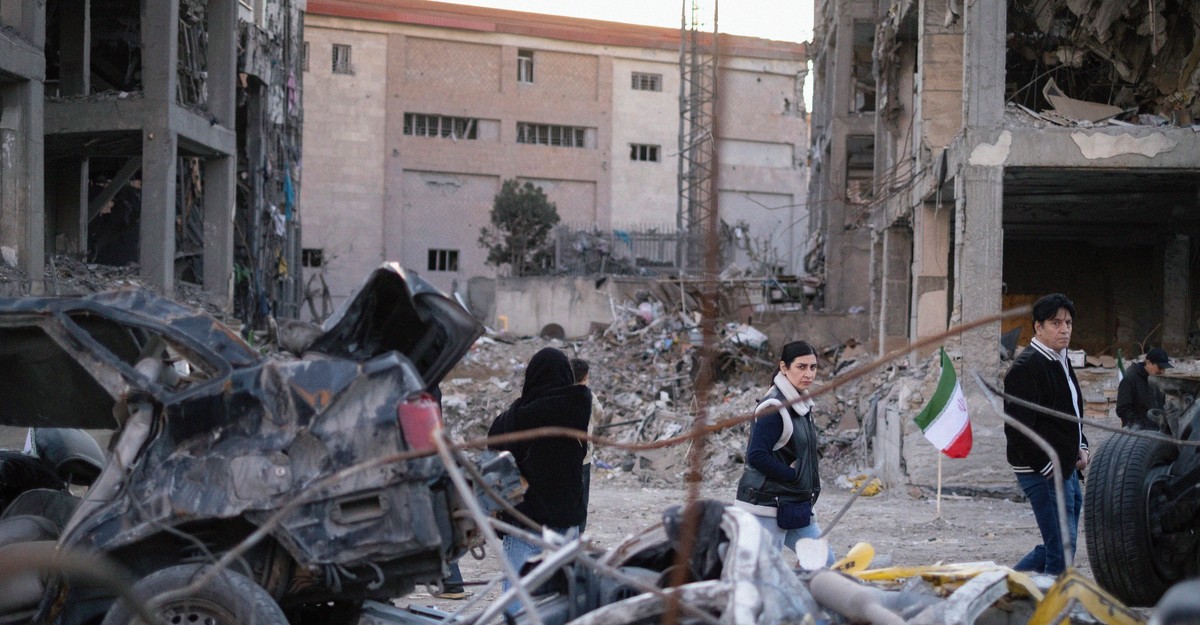
The ongoing conflict between the United States and Iran marks a significant shift in geopolitical dynamics, necessitating a reevaluation of tactics and strategies. It’s increasingly clear that continuing to fight a war that has yielded none of its intended political outcomes is futile.
Understanding the Current Landscape
Defense Secretary Pete Hegseth recently asserted that the U.S. achieved “a historic military victory” against Iran. Yet, military success isn’t the end goal of warfare; achieving political stability and goals is paramount. By this measure, the U.S. has failed significantly. The situation in Iran has deteriorated, as demonstrated by the rise of more radical leadership, replacing a leader who, despite his extreme views, exercised caution. This power shift not only exacerbates tensions but also poses a heightened risk of direct confrontations with U.S. allies in the region.
The Strait of Hormuz, a key maritime route for oil transport, has increasingly come under Iranian influence. Previously navigable, it now faces significant threats, especially from Iran’s proxy forces in Yemen. Though energy executives had initially downplayed concerns, warnings of an energy shortage are becoming more pronounced. Major companies like Exxon and Chevron are now acknowledging the potential for dire consequences to the global economy if the situation does not improve.
Addressing Military Limitations
The military capabilities of the U.S. are being tested in an environment where Iran has proven adept at leveraging its resources. Using inexpensive drones, Iran can disrupt shipping lanes and exert psychological pressure on shipping companies without resorting to more costly military operations. Continuing down this path, especially with the Pentagon’s already substantial financial commitment, would be akin to throwing good money after bad. Instead, a reassessment of tactics and objectives should be prioritized to rebound from this setback and minimize its repercussions.
To navigate this complex landscape, alternative routes for Middle Eastern oil supplies must be prioritized. Past infrastructure, like the East-West Pipeline through Saudi Arabia, offers a viable solution, enabling the transport of up to 7 million barrels of oil daily. With consideration to the vulnerabilities posed by Iranian drones, investment in these logistics becomes essential for ensuring stability in global oil markets.
Rethinking Warfare Strategy
The Iran conflict serves as a wake-up call for U.S. military strategy. The assumption that advanced technology, particularly precision weaponry, would grant an easy edge over Iran proved overly simplistic. Instead, relatively inexpensive Iranian missiles and drones have demonstrated a capacity to inflict damage on U.S. bases and personnel. Given the rapid evolution of warfare, informed by recent conflicts such as in Ukraine, American military leaders must urgently adapt to new conditions.
Looking ahead, establishing a meaningful deterrence strategy is crucial. Historically, American military strength has acted as a deterrent against Iranian aggression, especially concerning threats to oil and gas transport. However, the necessity to maintain that deterrent is now more pressing than ever. Incremental military successes have not deterred Iran from oil disruption; if anything, they’ve emboldened the regime’s actions.
The U.S. urgently requires fresh approaches to rebuild deterrence with Iran. The current trajectory has seen the erosion of previous deterrents, raising questions about the path forward. Without a strategic shift, the consequences of a protracted conflict resonate, threatening both regional stability and U.S. objectives in the Middle East. Now is the time for a well-considered reassessment to navigate these challenges effectively.