
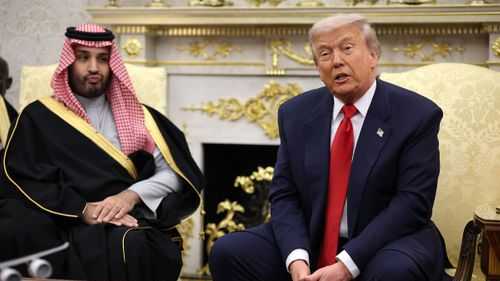
President Trump has recently unveiled a nuclear agreement with Saudi Arabia, highlighting its focus on civil use and strict limits on uranium enrichment. While this deal aims to strengthen relations between the two nations, it has sparked significant controversy and debate regarding its potential implications.
The Objectives of the Nuclear Agreement
The primary intent behind the agreement is to foster peaceful nuclear energy initiatives in Saudi Arabia, which has expressed ambitions to diversify its energy sources. By allowing for the development of civilian nuclear programs, both nations hope to bolster economic growth and enhance energy security. An essential aspect of the agreement is the focus on stringent regulations surrounding uranium enrichment, which is often a contentious issue in nuclear agreements due to its potential dual-use for weapons development. These limitations aim to assure concerned parties that the program will not lead to nuclear proliferation.
Criticism and Concerns Surrounding the Deal
Despite its optimistic objectives, the agreement has met with a wave of skepticism from various quarters. Critics are particularly worried about the lack of adequate oversight and monitoring mechanisms, fearing that the deal may inadvertently pave the way for nuclear weapons development. Past instances of regional tensions and conflicts have raised alarms about granting Saudi Arabia greater access to nuclear technology without stringent safeguards in place. Moreover, opponents argue that this agreement signals a shift in the United States’ foreign policy approach, potentially prioritizing short-term relationships over long-term stability in the Middle East.
Impact on Regional Stability
The nuclear deal with Saudi Arabia also raises concerns about wider regional implications. Neighboring countries, particularly Iran, are closely observing this development, and fears are mounting that it might trigger a nuclear arms race in the highly volatile Middle East. Enhanced nuclear capabilities in Saudi Arabia could lead Iran to accelerate its own nuclear ambitions, further destabilizing an already fragile security landscape. Observers warn that the agreement could exacerbate existing rivalries, making diplomatic efforts in the region even more complex.
The Future of U.S.-Saudi Relations
As this deal unfolds, it will significantly shape the future of U.S.-Saudi relations. The collaboration on nuclear energy may lead to deeper economic and strategic partnerships, positioning the U.S. as a key player in Saudi Arabia’s energy transition. However, how the United States navigates the challenges and criticisms associated with the agreement will be crucial. Ensuring compliance with international norms and addressing the concerns of both allies and adversaries will be essential to maintain credibility and foster long-term stability in the region.
In conclusion, while the nuclear agreement between President Trump and Saudi Arabia aims to promote peaceful nuclear energy and economic cooperation, it is fraught with challenges and criticisms. The implications for regional stability and international relations will require careful management and vigilance to avert unintended consequences. As the landscape continues to evolve, the balance between energy development and national security will remain a paramount concern for all stakeholders involved.