
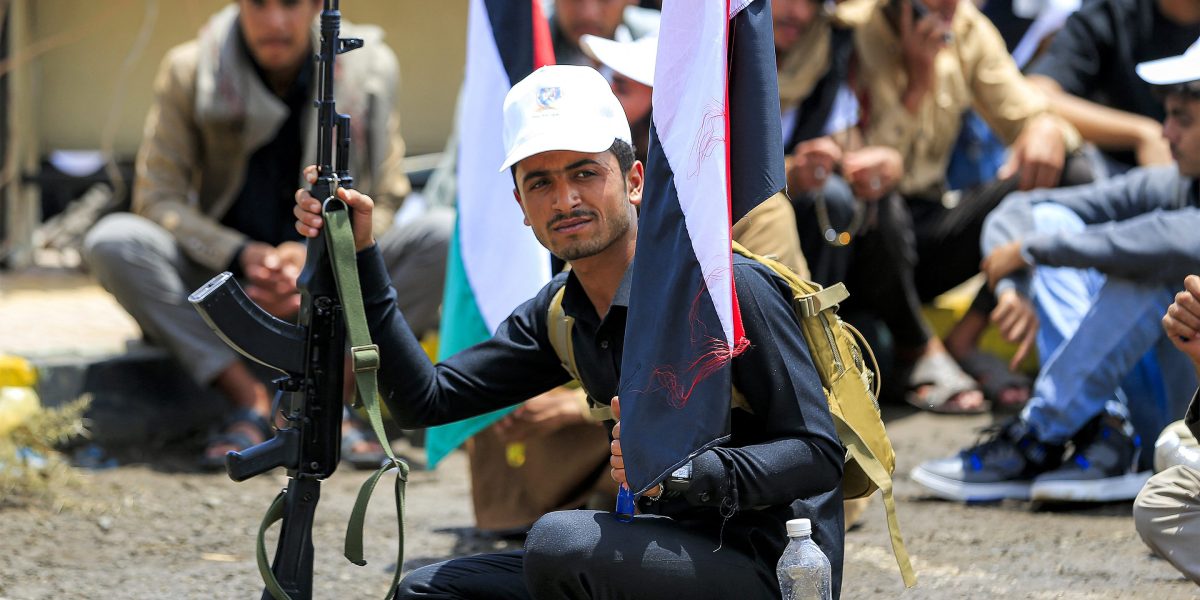
The ongoing conflict involving Iran has recently escalated, extending to Saudi Arabia and the Red Sea as the Yemeni Houthis launched attacks on Saudi tankers. This incident coincided with oil prices surging above $100 per barrel, marking the first significant increase since early June.
### Houthi Attacks and Their Implications
The Houthis, allied with Iran, intensified their attacks shortly after the United States entered a nuclear power agreement with Saudi Arabia. This agreement aims to establish a civilian nuclear program for the Saudis while tacitly attempting to inhibit Iran’s nuclear endeavors. Jennifer Li, a senior geopolitical analyst at Rystad Energy, noted that this development would likely heighten existing tensions. Iran is anticipated to view the deal negatively, particularly since the Houthis may be activated to specifically target Saudi vessels.
From Tehran’s perspective, the situation is increasingly about which side will yield first in a high-stakes game of brinkmanship. Li indicated that both factions might adopt more aggressive stances as a result of the heightened tensions. The recent Houthi actions compel Saudi tankers to reroute through the shallower Suez Canal instead of using the traditional route through the Strait of Hormuz, adding significant transit time and operational costs.
### The Bab el-Mandeb Strait: A New War Zone
The Bab el-Mandeb Strait is a historically perilous waterway, aptly named “gate of tears” in Arabic. The current geopolitical climate has made it an even more critical factor in regional dynamics. As Saudi Arabia seeks safer trade routes, the Houthis’ activities have forced the nation to reroute oil supplies, making trade with Asian markets more cumbersome and expensive.
Fernando Ferreira from the Rapidan Energy Group pointed out that the Houthis’ motivations extend beyond Tehran’s influence. Their aggressive posture seems rooted in a long-standing grudge against Saudi Arabia, which they are leveraging during a period of heightened conflict involving Iran. Moreover, escalating tensions could reignite broader warfare in the Middle East, much more disruptive than previous encounters.
Currently, oil prices are teetering around $100 per barrel, and Ferreira warned that continued conflicts could push prices toward $120. This surge aligns with rising consumer gasoline prices in the U.S., which have reverted to approximately $4.09 per gallon—a trend that is alarming for many American consumers.
### The Nuclear Agreement: A Double-Edged Sword
The U.S.-Saudi nuclear deal itself has come under scrutiny, particularly with recent statements from former President Donald Trump that may impose new conditions. He suggested that the Saudis should work toward normalizing relations with Israel through the Abraham Accords, which could complicate the already tenuous agreement. Critics have voiced concerns that the deal may trigger an arms race in the region, undermining efforts to prevent nuclear proliferation.
Li remarked that the agreement reflects a rushed concession to Saudi Arabia amid escalating hostilities. There are significant national security implications for the U.S. in strengthening its relationships with allies like Saudi Arabia, particularly in ensuring that nuclear supply chains don’t shift toward adversarial nations.
As tensions mount, Trump has warned of severe repercussions for Iran and the Houthis should further aggressions occur. He stated that any subsequent attacks would result in a strong military response from the U.S., framing the Houthis as Iranian proxies. Given the current geopolitical landscape, Ferreira believes that any peace agreements are unlikely in the near future, suggesting that the region will see ongoing constraints and sporadic violence for the foreseeable future.
### Conclusion
The situation in the Middle East is rapidly evolving, with increasing cracks in the veneer of stability. With threats of nuclear proliferation, rising oil prices, and escalating military actions, the long-term implications for both Iran and Saudi Arabia remain uncertain. As the conflict intensifies, the global economy hangs in the balance, ready for potential shocks from this volatile region.