
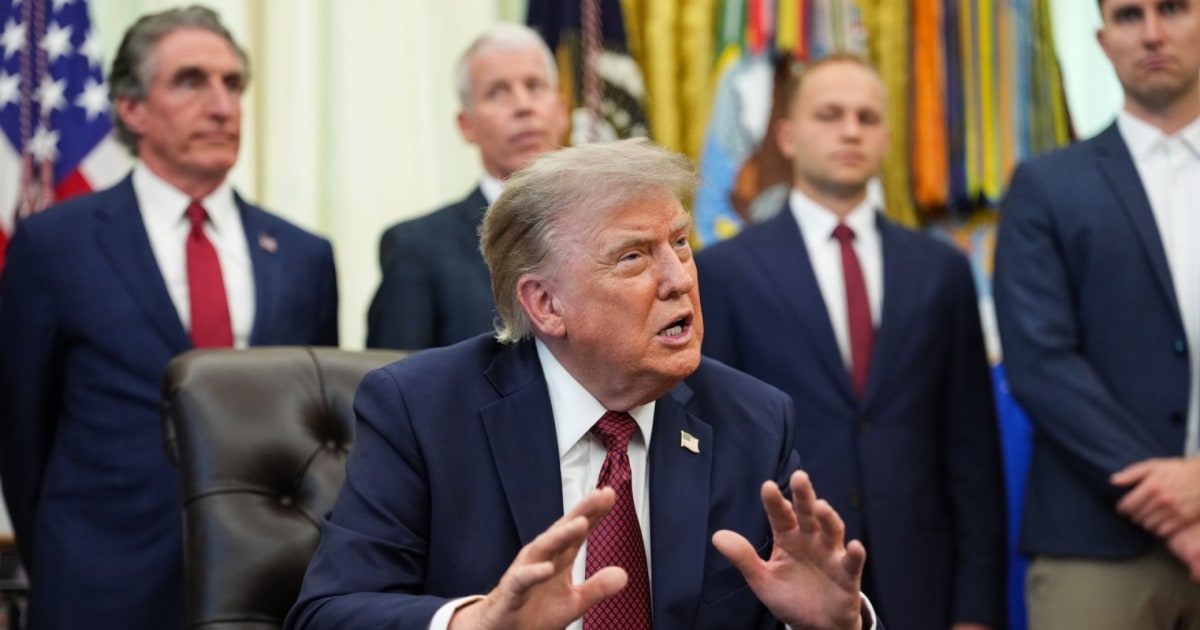
In recent developments, tensions between the United States and Iran have escalated significantly, drawing attention from both political circles and the general public. President Trump’s firm stance on potential military action has left many wondering about the geopolitical ramifications of such conflict. With rising costs and domestic issues underpinning the regional crisis, the discourse around this topic is more crucial than ever.
Trump’s Strong Position on Iran
During a recent public address, President Trump emphasized that the U.S. is “locked and loaded” to respond to threats from Iran. This statement underlines a commitment to military readiness in light of their actions, raising concerns not only among international observers but also among American citizens. With rising inflation and economic pressure at home, the government’s military posture is increasingly scrutinized by the electorate, which is seeking assurances that foreign policies will not exacerbate existing local issues.
Press Inquiries on Conflict and Health Crises
In a session with reporters, Trump tackled pressing questions about the possibility of military engagement with Iran as well as handling outbreaks such as cyclosporiasis. His comments echoed a broader strategy of maintaining assertiveness while coping with internal challenges, showcasing an administration striving for a delicate balance. The interplay between foreign policy and domestic health crises poses a unique challenge, demanding coherent communication and strategic planning from the government.
The Economic Impact of Military Readiness
As the U.S. gears up for any potential military action, economic implications are becoming increasingly evident. Rising oil prices due to regional instability have created a domino effect on various sectors, prompting discussions regarding the long-term viability of such military engagement. Economists are cautioning that sustained military pressure on Iran could lead to significant economic repercussions domestically, particularly for consumers facing higher fuel costs.
Public Opinion and Media Engagement
The media plays a pivotal role in shaping public perception of the government’s actions and rhetoric. As military discussions intensify, public opinion becomes increasingly influential. Coverage of Trump’s statements and subsequent actions will likely inform voter sentiment ahead of upcoming elections, making it clear that the relationship between military strategy and public engagement is critical. The administration’s ability to navigate these complex narratives will be essential for maintaining public support.
As tensions continue to rise between the U.S. and Iran, the intersection of foreign policy with local economies and public health will remain a focal point of political discourse. The ramifications of these decisions may influence not only international relations but also the political landscape in the U.S., making it crucial for leaders to employ a balanced approach. Understanding the stakes involved in these scenarios will shape not only the actions of politicians but the concerns of citizens in the months to come.