
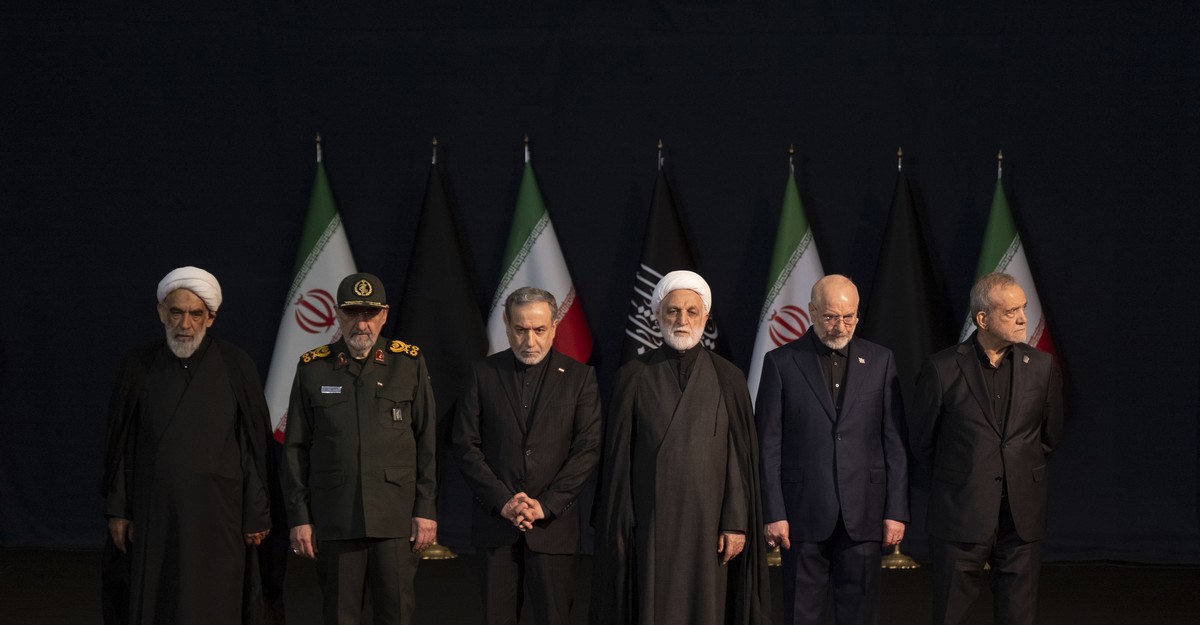
The ongoing conflict between the United States and Iran showcases a complex interplay of military strategy and geopolitical maneuvering. While the saying, “No plan survives first contact with the enemy,” suggests that initial strategies often falter, the reality is that the U.S. administration appears to have entered this conflict without a clear roadmap. The recent escalation serves as a critical lesson in international relations and military planning, highlighting the consequences of poorly defined objectives.
Renewed Warfare and Shifting Strategies
On July 14, the United States resumed its military operations against Iran, but the reasons behind this renewed aggression remain largely unexplained by the Trump administration. Observers note that U.S. intelligence doubts this latest phase of attacks will persuade Iran to alter its trajectory. However, there are indications that the Pentagon has attempted to correct some errors from its initial engagements. While a complete regime change seems unlikely, a revised strategy could potentially weaken Iran’s influence in the region.
In the first round of attacks, the U.S. targeted key Iranian leadership and sought to diminish its defense capabilities. Nevertheless, Iran retaliated effectively, causing significant economic pain to both the U.S. and its allies through missile strikes and the strategic closure of the Strait of Hormuz. For the current phase, U.S. military bases have been relocated to Jordan, Kuwait, and Bahrain—countries that have historically opposed Iran but also face their own vulnerabilities. This tactical adjustment places American assets slightly further from Iranian missiles and drones.
Retaliation and Perception Management
In the initial conflict, Iran framed its responses as acts of self-defense and proportional retaliation, shifting public narrative against the U.S. and Israel. This framing left the blame for economic turmoil—such as Dubai’s struggling tourism sector and natural gas supply disruptions—largely on the United States. As the U.S. faces mounting pressures, the second phase of military action appears aimed at reversing this narrative. By targeting American military positions, Iran seeks to reposition the discussion from one of American aggression to a focus on Iranian hostility and disruptive actions.
Recent Iranian offensives have also extended to civilian targets, including merchant vessels navigating the strait. A notable incident involved an attack on an Emirati-flagged oil tanker, resulting in fatalities and injuries among crew members. Moreover, attacks on strategic ports, such as Saudi Arabia’s Yanbu, have raised concerns about Iran’s growing assertiveness and its intent to control maritime passages that are vital for global trade.
The Consequences of Ongoing Hostilities
The Iranian government has made it clear that it will not relinquish its leverage over critical maritime routes. As tensions continue to escalate, the U.S. has responded by enhancing military capabilities for its Gulf allies, selling advanced weaponry to Qatar and facilitating the transfer of nuclear technology to Saudi Arabia. While these measures may strengthen the position of Gulf Arab states, they simultaneously heighten Iran’s willingness to increasingly confront foreign influences in the region.
The tactical goal of this renewed engagement is to re-isolate Iran. The initial conflict inadvertently transformed Iran from a pariah state into one that garnered some sympathy on the global stage. If Tehran persists in its disruptive tactics against international shipping, it risks reverting back to its previous status as a globally recognized rogue state—a position that, under its current conditions, may prove untenable.
In this light, the question arises: what is Iran’s long-term strategy? While it has successfully demonstrated military capability against a seemingly disorganized adversary, the sustainability of its actions may ultimately lead to its own isolation. If Iran’s strategy revolves around aggression and extortion, it may find itself as bankrupt in its strategic calculations as its opponents, leading to a cycle of conflict that could benefit neither side.