
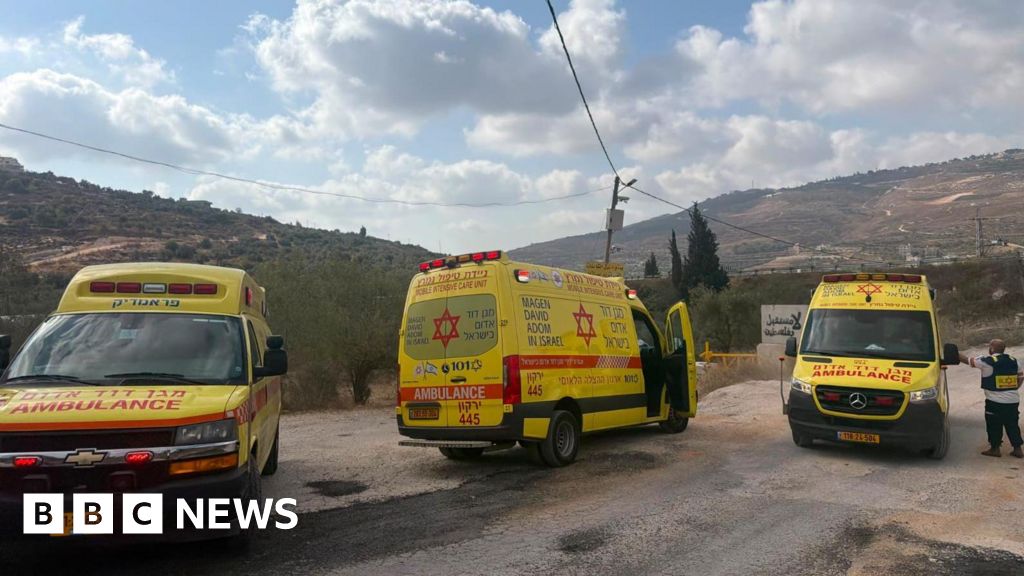
Israel has established hundreds of settlements that accommodate approximately 700,000 Jewish residents in the West Bank and East Jerusalem. These territories, captured during the 1967 Middle East conflict, are sought after by Palestinians for the establishment of a future state, alongside Gaza. Currently, around 3.3 million Palestinians reside in close proximity to these settlements, which are deemed illegal by international legal standards.
Historical Context of the Settlements
The origins of the Israeli settlements date back to the aftermath of the Six-Day War in 1967. Israel’s occupation of the West Bank, East Jerusalem, and Gaza created a significant shift in the regional landscape. The Israeli government initiated settlement projects, which it argued were intended for security and historical claims. However, these developments have led to rising tensions and conflicts with Palestinian residents who consider these territories their ancestral lands.
International Response and Legal Implications
The construction of Israeli settlements has drawn widespread condemnation from various international bodies, including the United Nations. The prevailing argument is based on the Fourth Geneva Convention, which prohibits an occupying power from transferring its civilian population into the territory it occupies. Furthermore, several UN resolutions have classified these settlements as violations of international law. Despite this, Israel has continued to expand its settlement policies, contributing to ongoing disputes over land and rights.
The Impact on Palestinian Communities
The presence of these settlements significantly affects the daily lives of Palestinians. Many face restrictions on movement, access to resources, and the ability to cultivate their land. The expansion of settlements often leads to the appropriation of Palestinian land, which exacerbates socio-economic challenges within these communities. As a result, many Palestinians find themselves in a precarious position, navigating an increasingly hostile environment that threatens their livelihood and cultural identity.
Current Trends and Future Prospects
As of now, the trajectory of Israeli settlements shows little sign of reversal. The Israeli government has continued to allocate resources and support for settlement expansion, often citing security concerns. Meanwhile, the Palestinian pursuit of statehood remains hampered by these ongoing developments. The international community remains divided on the issue, with significant geopolitical implications that influence diplomatic relations in the region.
In conclusion, the Israeli settlements in the West Bank and East Jerusalem represent a complex issue deeply rooted in historical grievances, legal disputes, and humanitarian concerns. With over 700,000 Jewish settlers living in territories claimed by Palestinians, it poses a significant barrier to the realization of a peaceful two-state solution. As global attention continues to focus on this contentious issue, the fate of both Israeli and Palestinian communities remains uncertain, marking a pivotal moment in the quest for lasting peace in the region.