
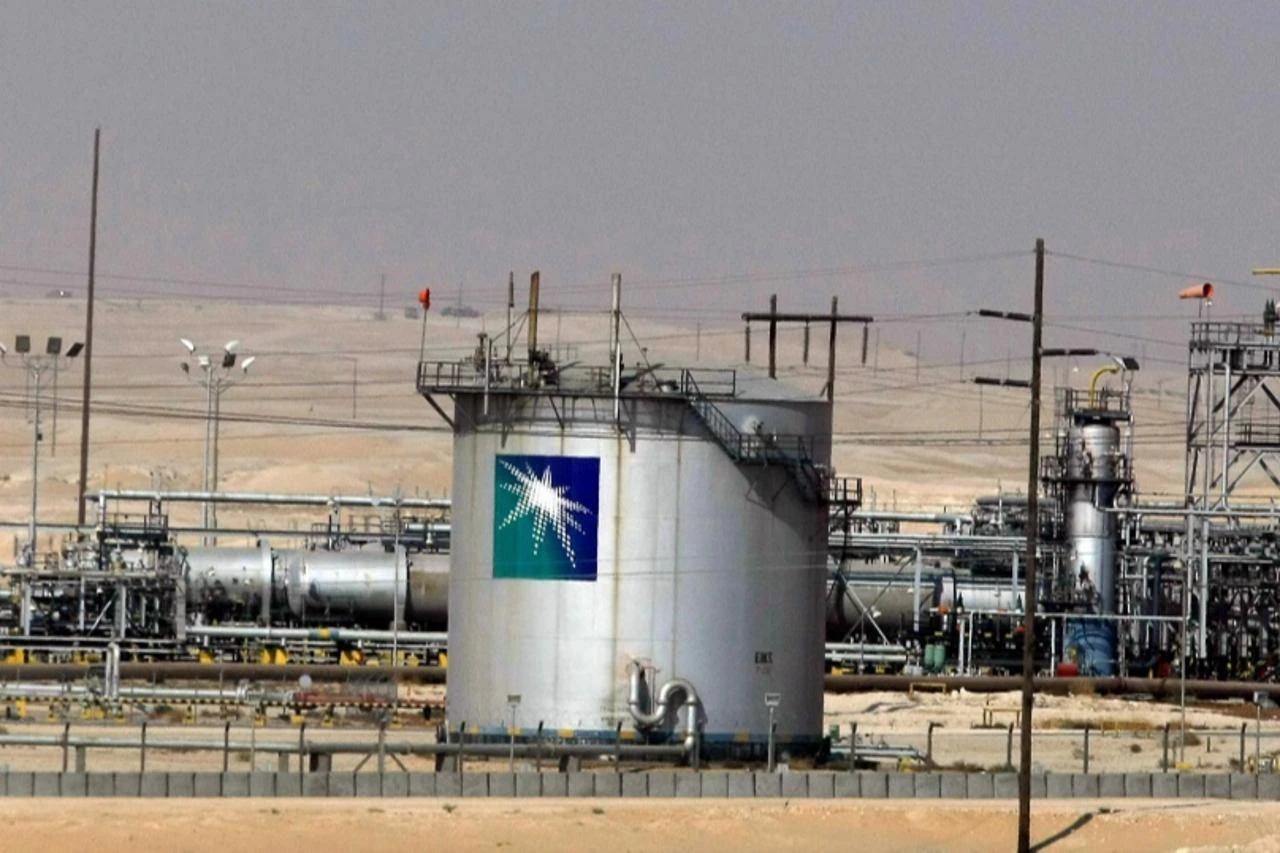
A significant incident occurred at the Saudi Aramco refinery in Jazan on Saturday, following reports of a missile and drone attack purportedly launched by the Houthi movement. This escalation in violence marks an intensification in the ongoing conflict between Saudi Arabia and the Houthis, further complicating the regional dynamics.
Damaging Attacks in Jazan
Reports circulating on social media detailed prominent plumes of smoke emanating from the Saudi Aramco oil refinery in Jazan, with multiple hotspots detected by NASA’s FIRMS and VIIRS satellite systems. The narrative suggests that these fires were a consequence of retaliatory strikes by the Houthis in response to earlier airstrikes conducted by the Royal Saudi Air Force (RSAF) targeting Hodeidah, a vital port city in Yemen. Eyewitness accounts and satellite imagery confirmed a thermal anomaly at the site, indicating significant fire activity.
The Houthi forces claimed responsibility for the attacks, asserting they targeted sensitive facilities linked to Saudi Aramco in both Jazan and Yanbu. They reportedly launched dozens of ballistic and cruise missiles as a counterattack against what they termed “aggression” from Saudi airstrikes in Hodeidah. According to a statement from the Houthi-run Yemeni Armed Forces, their military operations were deemed a success, achieving their intended goals.
Saudi Arabia’s Response and Civil Defense Alerts
In the aftermath of these events, the Saudi Civil Defense issued warnings to residents in both the Jazan and Yanbu areas concerning potential threats, although these alerts were lifted shortly thereafter without reports of casualties or significant damage. Regional media reported at least five explosions, leading to commercial flights to the area being redirected. The Houthis conveyed via their news channels that a missile strike was the cause of the inferno at the Jazan facility, further complicating an already tense security situation.
Meanwhile, the Saudi-led coalition responded to Houthi provocations by announcing a “proportional military response” aimed at legitimate military targets within Yemen. They emphasized that civilian infrastructure, including the critical Hodeidah Port, was not targeted. However, local sources indicated that the strikes resulted in injuries and property damage in the area, escalating hostilities and complicating the humanitarian situation in Yemen.
Maritime Concerns and Regional Implications
Tensions were exacerbated when the Houthis declared a ban on maritime navigation to Saudi Arabia, threatening to target vessels that did not comply. Reports emerged that a Saudi-owned ship was targeted in the Red Sea, although it sustained only minor damage. This development raised alarms about maritime safety and the potential for wider conflict, as continued targeting of commercial vessels threatens international navigation and trade.
Adding to the escalating tensions, Yemen’s recognized government condemned the Houthi attacks on commercial shipping, labeling it as terrorism. They suggested that the Houthis are leveraging the conflict to further Iran’s interests in the region. This latest round of violence threatens to destabilize ongoing ceasefire efforts, complicating an already dire humanitarian situation that has persisted since hostilities broke out in 2014.
Conclusion
The recent outbreak of violence at the Jazan refinery is emblematic of the broader crisis in Yemen, a conflict that has drawn in numerous regional powers and has profound implications for international shipping and oil exports through strategic routes. As the situation continues to evolve, the repercussions may extend beyond national borders, potentially affecting global energy markets and geopolitical relations in the region.