
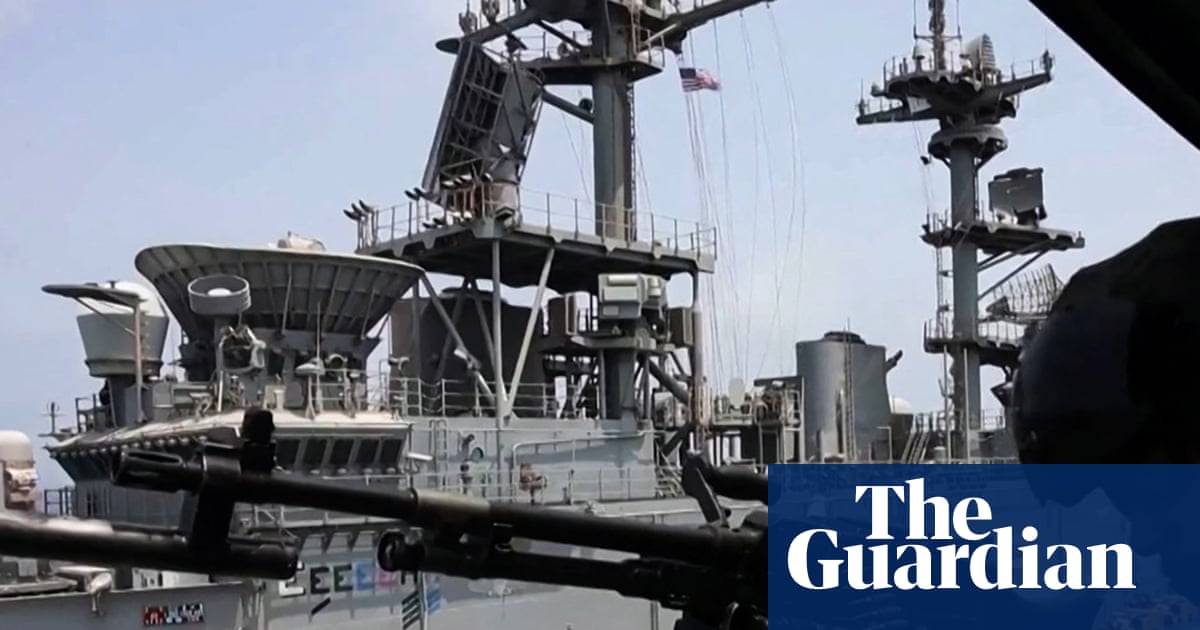
The United States has entered a brief pause in military operations against Iran for the second consecutive night, as efforts to avert a full-scale war continue. This diplomatic maneuver arrives during an escalating conflict that has been ongoing for nearly five months. The latest developments come amidst various negotiations aimed at reducing tensions in the region.
Trump’s Strategic Considerations
Former President Donald Trump is reportedly weighing both diplomatic and military strategies regarding the ongoing conflict. With Israeli Prime Minister Benjamin Netanyahu scheduled to visit the White House soon, there is heightened focus on US-Israel relations and their collective stance on negotiations with Iran. Netanyahu has been an outspoken critic of the American approach to dialogue with Iranian officials. As political pressure mounts ahead of upcoming elections in Israel, Netanyahu is keen to demonstrate the effectiveness of military operations against Iran and Hezbollah, reinforcing his agenda.
Iran’s Response and Regional Dynamics
On Sunday, Iranian officials declared a pause in their so-called “retaliatory” attacks on American allies in the Middle East. Army spokesperson Mohammad Akraminia highlighted that while US strikes had been ongoing until recently, Iran had decided to halt its retaliatory measures as well. This temporary ceasefire follows almost two weeks of military actions against Iran, exacerbated by the breakdown of a ceasefire agreement previously mediated by Trump. The US holds Iran accountable for attacks against American forces and for blocking the Strait of Hormuz, a crucial route for global oil and gas shipments.
Diplomatic communications are continuing, notably between Iran and Oman, concerning the reopening of vital maritime channels. Iranian officials have made it clear that any agreement must encompass payment and regulations on ship passage through the strategically vital strait. The Iranian foreign ministry underscored the involvement of mediators working to reduce the escalating tensions, a crucial maneuver given the situation’s volatility.
Concerns Over Military Readiness
Senior officials in the Trump administration have raised alarms about dwindling military resources, which could jeopardize sustained engagement in the region. Reports surfaced that both Vice President J.D. Vance and Dan Caine, the chair of the Joint Chiefs of Staff, cautioned Trump during an Oval Office meeting about the risks associated with a renewed military offensive against Iran. In light of these warnings, Trump ordered a halt to impending strikes that could have significantly escalated the conflict.
Despite the pause in military action, Trump has conveyed a readiness to resume dialogue with Iran. He expressed that while he maintains military capabilities, the focus is currently on negotiations. His recent remarks suggested a tempered position, indicating an openness to discussions, contrary to the more aggressive stances taken previously.
Netanyahu’s Upcoming Washington Visit
Ahead of his travel to the US, Netanyahu announced plans for a security cabinet meeting, amplifying pressures surrounding discussions on Iran’s nuclear ambitions. His advocacy for a strict stance against Iran’s missile programs stands in stark contrast to the US approach, which seems to prioritize reopening maritime routes.
Additionally, Netanyahu’s visit coincides with escalating violence in the West Bank, marked by a recent military operation following a tragic incident involving Palestinian casualties. As he prepares for talks with Trump, these immediate issues further complicate the multilayered dynamics between the US, Israel, and Iran. The outcomes of these discussions will be closely watched as the region navigates this precarious moment in its ongoing conflicts.
In conclusion, the intricate dance of diplomacy and military readiness continues as the US and Iran navigate their fraught relationship. The coming days will be pivotal in determining whether tensions ease or escalate further amid ongoing negotiations and high-stakes dialogues.