
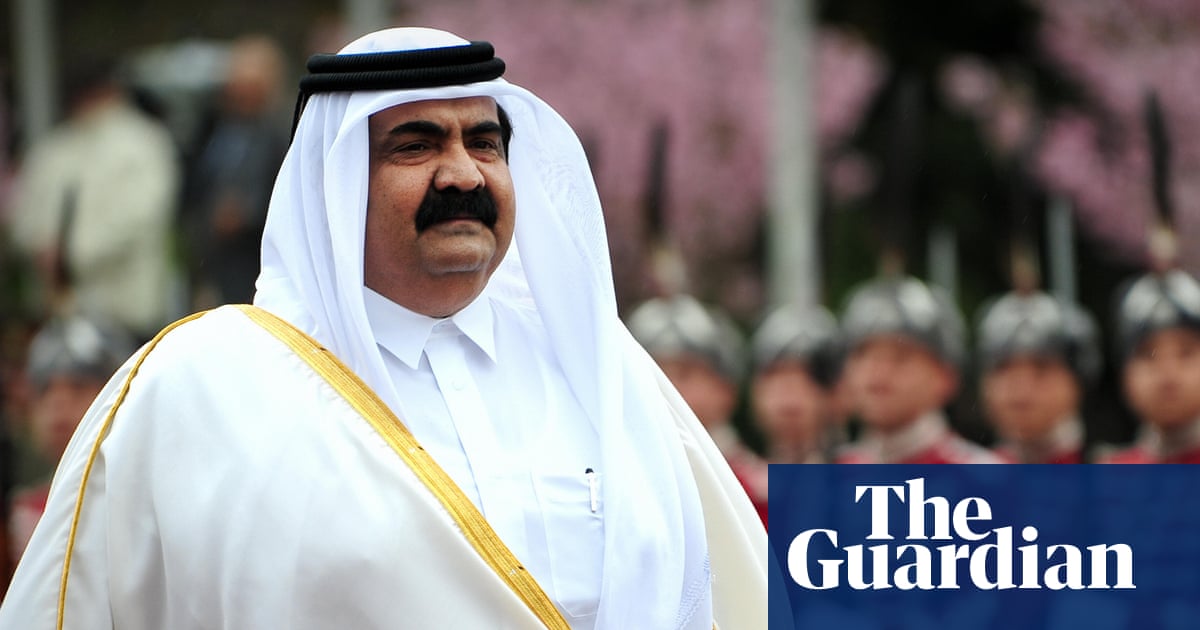
In June 1995, Sheikh Khalifa bin Hamad Al Thani, the Emir of Qatar, was vacationing at a luxurious resort in Geneva when his son, Sheikh Hamad bin Khalifa Al Thani, made a bold move to seize control. Having managed the country’s affairs for over a decade during his father’s absences, Hamad orchestrated a swift and bloodless coup, declaring himself the new Emir. This significant transition would not only alter Qatar’s destiny but also redefine its role in the contemporary Middle East.
Steve Leadership Style and Vision
Post-coup, Sheikh Hamad distinguished himself from other regional leaders. He abandoned the extravagant rituals often associated with Gulf monarchs, opting instead for a pragmatic and hands-on approach to governance, reminiscent of a corporate executive. Known for his approachable demeanor, he was often seen driving around Doha and dining in local eateries with minimal security. His vision for Qatar was encapsulated in a long-term strategy that emphasized economic diversification and social reform, assigning daily operational tasks to capable technocrats. A leaked U.S. diplomatic cable from 2008 noted that Hamad had a unique vision for the country, albeit one that was unclear to many outside his inner circle.
Transformative Economic Policies
Sheikh Hamad’s legacy is marked by monumental accomplishments that propelled Qatar into a new era. By capitalizing on the country’s substantial offshore natural gas reserves, he circumvented the so-called “oil curse,” establishing Qatar as an economic powerhouse with one of the highest per capita incomes globally. His domestic initiatives included the introduction of Qatar’s first written constitution and democratic municipal elections, as well as efforts to empower women in public life. Notably, Sheikh Hamad founded Al Jazeera in 1996, turning Qatar into a significant player in global media while also abolishing state censorship—a bold move that positioned the nation as a hub for free expression.
International Influence and Regional Engagement
The Emir’s tenure also saw Qatar emerge as a critical player in international politics. His commitment to various causes, particularly the Palestinian issue, reflected a dedication inherited from his father. By hosting leaders of Hamas in Doha, he aimed to foster dialogue and pull the organization away from its alliances with Iran and Syria. During the Arab Spring in 2011, Sheikh Hamad championed a policy titled “Arabs sorting out Arab problems,” supporting revolutionary movements in Libya and Syria while simultaneously amplifying grassroots sentiments through Al Jazeera.
A Unique Legacy and Transition of Power
Born in Doha to a prominent royal family, Hamad’s formative years were filled with educational experiences that would shape his worldview. He was influenced by a diverse range of educators and political ideologies, ultimately leading him to establish indigenous educational institutions through the Qatar Foundation, focusing on research and community development. After a remarkable reign, Sheikh Hamad made the unprecedented decision to abdicate the throne in 2013, passing leadership to his son, Sheikh Tamim. His retirement marked a shift toward quiet diplomacy and cultural pursuits, further solidifying the foundations he laid for Qatar’s future.
Hamad bin Khalifa Al Thani, remembered as the “father emir,” leaves behind a legacy marked by profound changes that transformed Qatar from a regional backwater into a global power.