
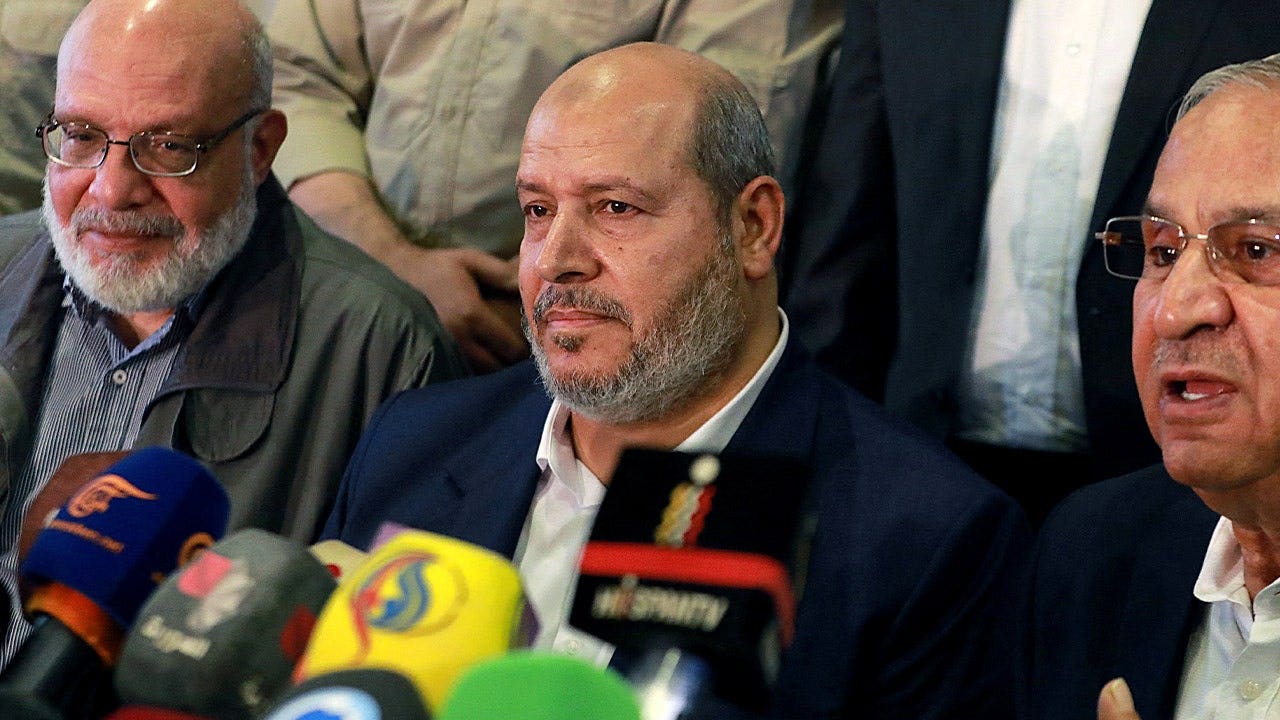
Following a lengthy internal election process, Hamas has appointed Khalil al-Hayya as its new political leader. As an experienced negotiator, al-Hayya’s leadership raises questions about the group’s future strategies, amidst ongoing violence and internal divisions. Analysts suggest that this change does not indicate a shift in Hamas’s overarching approach or ideology.
Internal Dynamics and Leadership Transition
Khalil al-Hayya, who has long served as the chief negotiator for Hamas, will now head the group’s political bureau. Experts argue that his appointment is not a fresh start for the organization but instead reflects a strategy aimed at preserving its existing framework. Jaser AbuMousa, a Senior Fellow at the Middle East Institute, emphasizes that we should expect more of the same from Hamas, even as it appears to reestablish its leadership structure after significant losses.
Al-Hayya’s rise comes in the wake of a tumultuous period for Hamas, particularly following extensive Israeli operations leading to the deaths of several high-ranking officials. Analysts contend that him taking the lead signifies a preference for organizational continuity rather than reform. This illustrates Hamas’s commitment to its military connections and alliances, particularly with Iran, over making substantial political changes.
The Challenges Ahead for al-Hayya
Becoming the leader of Hamas carries substantial risks. Many of his predecessors have faced assassination attempts, and al-Hayya himself has survived similar efforts. The internal environment within Hamas complicates leadership roles, as those who endure attacks are often seen as more credible amongst the ranks. Al-Hayya’s leadership will likely mirror the approach of his predecessors, which involves maintaining a decentralized command structure to mitigate the risks associated with targeted strikes.
Following the destruction experienced in Gaza, al-Hayya’s leadership appears to prioritize survival and armed continuity. His recent experiences underscore a broader trend within Hamas where personal loss is increasingly converted into political capital. This dynamic complicates how leadership decisions are perceived and legitimized within the organization’s ranks.
The Community’s Response and Future Governance
The internal election of al-Hayya does not signify a mandate from the Gazan populace, many of whom have not participated in elections since 2006. Throughout the community, there is growing frustration with Hamas, especially regarding its role in perpetuating conflict and suffering. Public sentiment suggests that residents increasingly blame Hamas for the hardships they face, questioning the effectiveness of its governance.
Following this pattern, analysts predict that Hamas may adopt a Hezbollah-style governance model, where it maintains its military capabilities without shouldering direct responsibility for local administration. This approach allows the organization to exert control over potential political agreements while minimizing visible governance duties.
Overall, while al-Hayya’s appointment signals continuity within Hamas, the challenges facing the new leader are formidable. With a fractured relationship with the Gazan population and ongoing military threats, al-Hayya’s leadership will need to navigate these complexities carefully to sustain Hamas’s influence and ensure its survival as a political entity.