
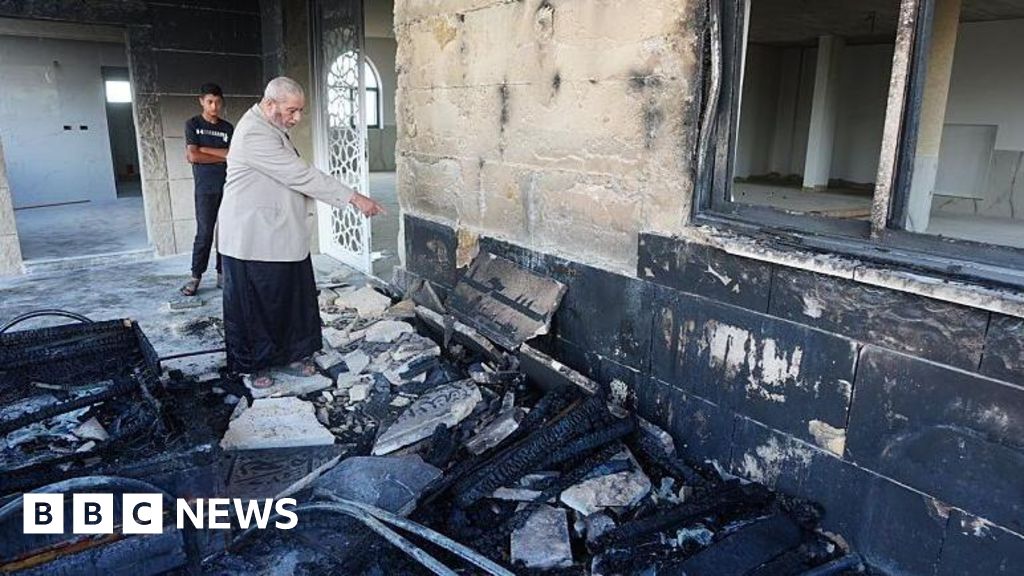
Israel has established numerous settlements in the West Bank and East Jerusalem, leading to significant demographic changes in these contested areas. These developments have sparked intense discussions about legality and human rights, especially considering the aspirations of Palestinians for their own state, which would include these regions alongside Gaza.
Background of the Conflict
The roots of the Israeli-Palestinian conflict can be traced back to the 1967 Middle East war, during which Israel occupied several territories, including the West Bank and East Jerusalem. This occupation set the stage for the establishment of hundreds of settlements that now house around 700,000 Jewish residents. For Palestinians, who number approximately 3.3 million in these areas, the settlements represent not just a demographic shift but also a significant barrier to their hopes for statehood and self-determination.
The Settlements: Legal and Ethical Implications
International law typically views these settlements as illegal, a stance that many governments and organizations support. Despite this widespread consensus, the Israeli government has continued to promote settlement expansion. This has raised critical ethical questions regarding human rights and the impact on the Palestinian population, who frequently face restrictions and challenges in their daily lives due to the presence of these settlements.
Life in the Shadow of Settlements
For the Palestinian communities residing alongside these Israeli settlements, life is profoundly affected by the tension and conflict that often characterize the region. Access to resources, freedom of movement, and economic opportunities are often limited, exacerbating grievances. The presence of settlements has led to increasing militarization and security measures, creating an environment of fear and instability.
Prospects for Peace
The ongoing expansion of settlements poses a significant challenge to peace negotiations. Many analysts argue that sustainable solutions must involve a reevaluation of the current settlement policies and a commitment from both parties to engage in meaningful dialogue. As the international community watches closely, the future of the Israeli-Palestinian conflict hinges on addressing these complex dynamics, balancing the rights and aspirations of both peoples.
In summary, the settlements in the West Bank and East Jerusalem remain a contentious focal point in the Israeli-Palestinian conflict. With deep-rooted historical contexts and legal complexities, they represent not only territorial disputes but also profound human rights concerns for millions. As discussions continue about the future of these territories, it is clear that the path to peace is fraught with challenges that require careful and thoughtful negotiation from all stakeholders involved.