
Introduction
In recent days, tensions between the United States and Iran have escalated, with the U.S. halting bombings for a third consecutive night. This pause follows warnings from high-ranking officials about the depletion of military resources. In response, Iran announced a temporary cessation of its retaliatory strikes against U.S. installations in the region. Amidst these developments, U.S. lawmakers are increasingly vocal about the need for congressional approval regarding military engagements.
Congressman Jim McGovern’s Critique of U.S. Military Actions
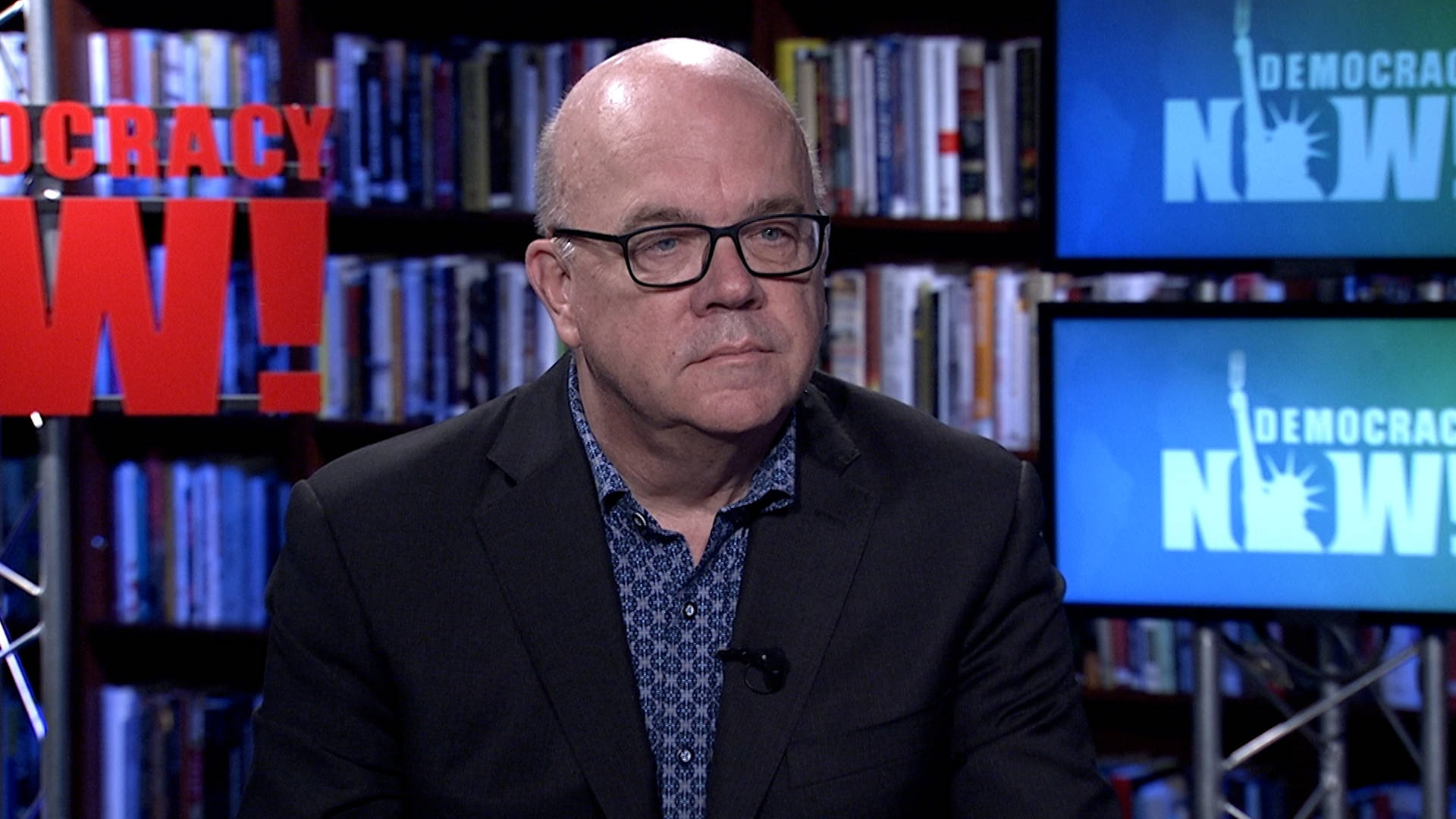
Representative Jim McGovern, a Democrat from Massachusetts, has been a critical voice in Congress against President Trump’s military initiatives, particularly regarding Iran. He characterizes the situation as “Iraq 2.0”, delineating parallels between current military strategies and the protracted conflict in Iraq. According to McGovern, this ongoing engagement stems from misguided arrogance and faulty intelligence, resulting in significant financial burdens with no achievable goals. He emphasizes that such military actions are not only fraught with risk but also violate legal norms.
The congressman argues that legislative powers have been increasingly surrendered to the executive branch, undermining congressional authority. McGovern stresses that decisions about military engagements should involve votes in Congress, a process he believes would reveal a lack of support for military action among lawmakers. He urges the Speaker of the House to reassemble Congress for special sessions, especially if tensions escalate further. It is essential for Congress to assert its authority and uphold checks and balances in matters of war.
The Implications of a War Powers Resolution
If Congress were to pass a war powers resolution, it could effectively terminate funding for military operations against Iran, thereby ending the conflict. McGovern points out that current votes on this issue may be largely symbolic, yet they indicate where the majority of Congress stands. He highlights a significant disconnect between public sentiment—where over 70% of Americans oppose military action—and the ongoing conflict in Iran, stating that the American populace is appalled by the U.S.’s military strategies, which include targeting civilian infrastructure.
He also draws attention to the alarming level of hunger in the U.S., underscoring the glaring contradiction of allocating vast sums for military endeavors while neglecting essential social services such as food security. Over 50 million Americans face food insecurity, and the cuts to programs like SNAP represent failing leadership that prioritizes military spending over addressing domestic welfare issues.
Internal Divisions Within the Democratic Party
Amid the escalating crisis, divisions within the Democratic Party are becoming apparent, especially around candidates deemed too progressive by the establishment. Recent comments by former congressman Rahm Emanuel criticize these candidates for potentially jeopardizing the party’s future during midterm elections. In contrast, Senator Bernie Sanders has pointed out that this progressive movement appeals to voters who are fed up with the status quo driven by both major parties.
McGovern supports the need for unity within the party, arguing that infighting undermines the goals shared by members. He emphasizes that constituents are looking for bold, transformative solutions rather than mere symptom management. The electorate’s frustrations with current leadership reflect their desire for comprehensive approaches to significant issues, including healthcare and military interventions.
Advocating for Human Rights and International Accountability
In addition to military policy, McGovern is also vocal about human rights violations and U.S. foreign policy toward nations like Cuba and Colombia. He condemns the administration’s actions as a deviation from American ideals, particularly surrounding the treatment of asylum seekers. The recent case of Beto Coral, a Colombian activist deported back to a potentially hazardous environment, raises significant concerns about U.S. complicity in transnational repression.
Expressing frustration over Israel’s actions, McGovern underscores the moral obligation to halt military aid to states engaging in human rights abuses. He asserts that accountability must be a priority, and U.S. citizens should advocate for a foreign policy that aligns with ethical principles and humanitarian considerations.
As tensions rise internationally, it is more crucial than ever for lawmakers to navigate these complex dynamics with a focus on legal oversight, public sentiment, and human rights, ensuring that U.S. actions align with the values of democracy and justice.