
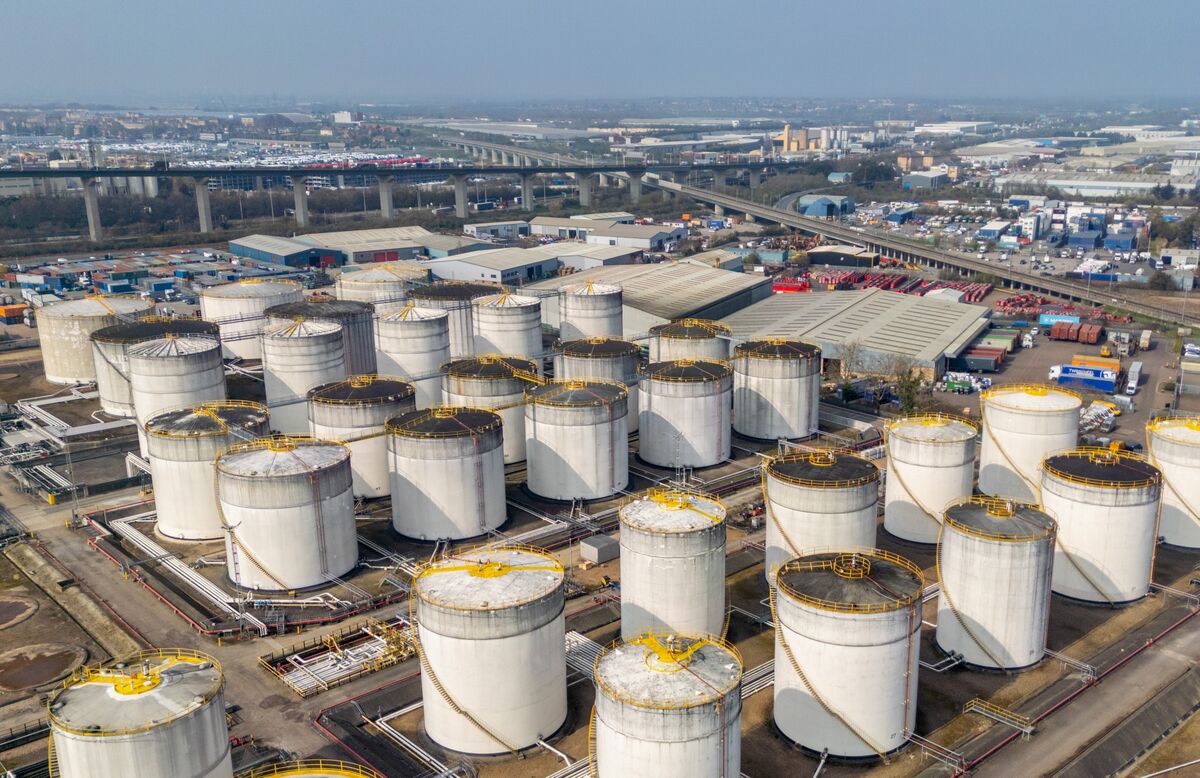
Oil markets are potentially heading towards oversupply as the year draws to a close. Analysts from Macquarie Ltd. have raised concerns that political dynamics in Washington could accelerate the resolution of the ongoing conflict with Iran. With less than 100 days remaining until the midterm elections, the urgency for the U.S. government to take action is increasing, which may have significant implications for global oil supply.
Political Influences on Oil Supply
The geopolitical landscape plays a crucial role in shaping oil prices and market stability. Analysts have observed that the prolonged tensions with Iran may contribute to fluctuations in oil supply. The situation is compounded by the timeline of the U.S. midterm elections, which intensifies the pressure on lawmakers to address foreign policy issues. A quick resolution to the Iran conflict could lead to a sudden influx of oil supply, possibly tipping the balance toward oversupply in the global market.
Market Signals and Trends
Market analysts are closely monitoring various indicators that could foresee changes in oil supply dynamics. Demand for oil is influenced by a multitude of factors, including economic growth rates, seasonal variations, and alternative energy sources. If the U.S. government opts for a faster resolution to the Iran issue, it may foster a more favorable environment for oil production, leading to an increased supply that could exceed demand. This scenario could result in a downward pressure on oil prices, affecting economies that heavily rely on oil revenues.
Implications for Global Economies
An oversupply of oil can have far-reaching consequences, particularly for nations that depend heavily on oil exports. A significant drop in prices could destabilize economies that are already vulnerable, prompting financial instability. Moreover, countries that are part of OPEC may react by adjusting their production levels to stabilize prices. This introduces another layer of complexity into the already intricate web of international relations and economic policies surrounding oil markets.
Future Projections
As we approach the end of the year, industry experts remain cautious in their predictions. The possibility of oversupply underscores the importance of closely observing not just the political landscape in the U.S., but also global demand trends. Factors such as recovery from the pandemic, advancements in renewable energy, and changing consumer behaviors will play pivotal roles in determining the future of oil markets. Thus, staying informed about both political developments and market signals is essential for stakeholders involved in the oil industry.
In summary, as the U.S. gears up for midterm elections, the potential for a shift in oil supply dynamics looms large. If Washington opts to fast-track the resolution of the conflict with Iran, a sudden increase in oil supply could disrupt the current market equilibrium. Stakeholders should remain vigilant and agile in adapting to these changing conditions to mitigate potential risks and seize emerging opportunities.