
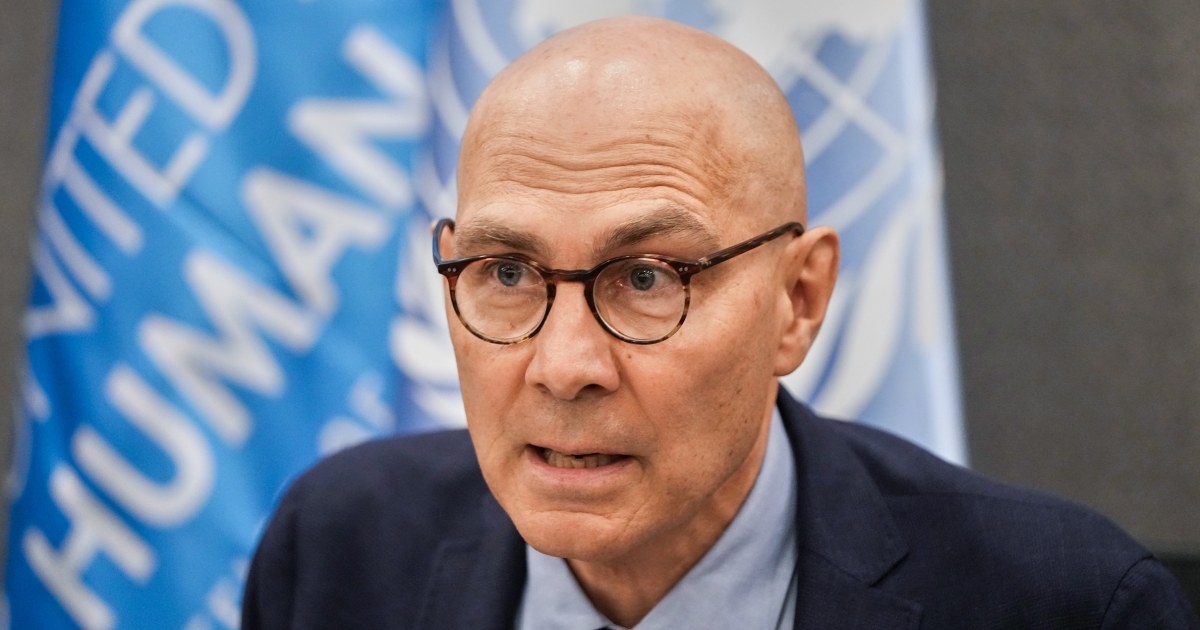
The United Nations’ human rights chief has issued a compelling plea for Israel to bring an end to its occupation of significant regions in southern Lebanon. This statement comes just as Lebanese and Israeli officials prepare for a new round of direct discussions aimed at addressing ongoing tensions and territorial disputes. Volker Türk highlighted the urgent necessity to cease home demolitions in the area and adhere to international humanitarian standards, particularly as the region faces an impending crisis.
Concerns Over Displacement and War Crimes
During his recent visit to Lebanon, where he met with government officials, civil society representatives, and those affected by the violent conflict with Hezbollah, Türk raised serious concerns regarding potential war crimes being committed by Israel. He pointed out the extensive destruction in towns and villages, alongside the casualties among medical personnel and journalists. Such actions, he argued, raise significant red flags regarding compliance with international laws governing warfare. He described the situation as a “wholesale destruction” of civilian properties.
Hezbollah, the militant group at the center of this conflict, has publicly rejected any form of direct dialogue with Israel, refusing to disarm and further complicating the already tense situation. In June, a framework agreement was reached in Rome detailing a plan for the deployment of Lebanese military forces in southern Lebanon, which would see Israeli forces withdraw and Hezbollah’s arms being addressed. However, ground realities remain contentious, with Hezbollah’s refusal to disarm presenting significant hurdles to this agreement.
Military Actions and Civilian Impact
Israel maintains that its military operations are focused on targeting Hezbollah operatives and infrastructure, insisting that the group often hides among civilians. This stance has led to widespread devastation in occupied areas, as the ongoing conflict escalates. Since the latest hostilities began in March, following Hezbollah’s rocket attacks on Israel, there has been a significant escalation, with Israeli military actions reportedly resulting in the deaths of over 4,000 individuals and displacing approximately 1.2 million others.
Lebanese President Joseph Aoun has reiterated his nation’s commitment to the framework agreement but expressed serious concerns about Israel’s continuing military presence and the destructive impact it has on the effectiveness of peace initiatives. He has warned that Lebanon will not tolerate ongoing violations of the agreement’s terms, underscoring the fragile nature of the current efforts for reconciliation.
Urgent Call for Accountability and Human Rights
Türk’s appeal extends to both sides of the conflict, addressing the urgent need for accountability and protections for displaced individuals. He emphasized the importance of allowing displaced people to return to their homes safely. Weaving personal narratives into his advocacy, he shared a poignant account of an individual who was denied access to his village, which had been devastated. Türk believes that international attention is vital for addressing these issues and has attempted to engage Israeli authorities for further discussions, albeit with little success.
The situation on the ground remains fluid, with tensions high and the humanitarian crisis deepening. Both local and international voices continue to call for an end to the violence and a renewed commitment to dialogue and peace, emphasizing the necessity for compliance with international humanitarian norms to safeguard civilians in this volatile region.