
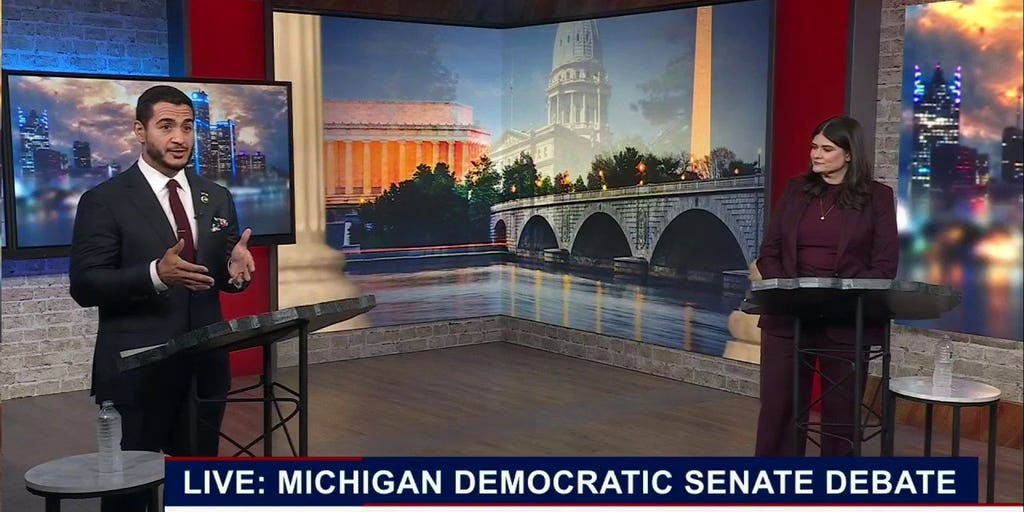
Abdul El-Sayed, a Democratic candidate for the U.S. Senate from Michigan, has made headlines for his recent accusations against pro-Israel organizations. He claims these groups are backing Rep. Haley Stevens as a “dependable vote” due to her support for ongoing U.S. financial assistance to Israel. El-Sayed’s comments highlight the complexities and tensions surrounding campaign financing and foreign policy, particularly in the context of U.S.-Israel relations.
The Role of Campaign Financing in Politics
Campaign financing has become a critical element in shaping political outcomes. Candidates like Stevens often rely on substantial funding from various interest groups to bolster their campaigns. This financial support can reinforce certain policy positions, especially those that align with the priorities of the organizations providing the funds. In this case, pro-Israel groups have supported Stevens because of her perceived reliability in advocating for U.S. aid to Israel. The implications of such financing raise questions about the influence of external entities on domestic policy decisions.
U.S.-Israel Relations and Domestic Political Implications
The U.S.-Israel relationship has long been a focal point in American foreign policy. Continued financial aid from the U.S. to Israel has generated discussion and debate within the political sphere. El-Sayed’s criticism indicates a growing divide among Democratic candidates regarding the extent of U.S. support for Israel. Some members of the party are calling for a reevaluation of this relationship, emphasizing human rights and fairness towards Palestinians, which could increasingly polarize voters. El-Sayed’s stance may resonate with constituents seeking to challenge traditional narratives in U.S. foreign policy.
The Importance of Voter Awareness
As campaign season heats up, voter awareness around such issues becomes crucial. Many voters are unaware of the significant influence that campaign donations have on political candidates and their positions. El-Sayed’s critique sheds light on the broader implications of foreign interest groups in local elections. By informing constituents about the motivations behind their candidates’ positions on critical issues like foreign aid, voters can make more educated decisions at the ballot box. Increased transparency is essential for a healthy democratic process.
Future Implications for Michigan Politics
In the broader context of Michigan’s political landscape, El-Sayed’s allegations could have meaningful repercussions. The tension between progressive values and establishment politics is evident, with candidates like El-Sayed pushing for a more critical examination of American foreign aid. If these discussions resonate with voters, we might see a shift in traditional party alliances and a redefinition of what the Democratic Party stands for in Michigan. Understanding these dynamics will be key for both candidates and constituents as they navigate the upcoming elections.
In summary, the interplay between campaign financing, foreign policy, and voter awareness is crucial to understanding the current political climate in Michigan. Abdul El-Sayed’s comments not only spotlight the influence of pro-Israel groups on local candidates but also call for a deeper examination of U.S. relations with Israel. As the election approaches, the ramifications of these debates will likely shape the future of Michigan’s political landscape.