
As Europe and parts of Asia grapple with unprecedented heatwaves, anxiety is turning toward the approaching winter. Concerns about natural gas shortages and surging electricity prices are becoming increasingly relevant, particularly in light of ongoing geopolitical tensions in the Middle East.
The Current Energy Landscape
The conflict that began at the end of February has so far spared winter gas supplies, but significant challenges loom ahead. Coupled with unexpected outages from Qatari liquefied natural gas (LNG) and heightened summer demand, nations reliant on imports are struggling to boost their natural gas reserves ahead of the colder months. Prices have already begun to skyrocket, and the competition for LNG shipments is intensifying.
David Lewis, a senior analyst at Wood Mackenzie, emphasized the severity of the situation, stating, “It’s pretty dire. It’s going to be a tough winter, period.” He noted that Europe and Asia may have developed a false sense of security during the milder months earlier this year. As winter approaches, the demand for heating will inevitably rise, exacerbating the existing supply constraints and pushing nations to bid aggressively for limited LNG shipments. Recent reports highlighted that while U.S. gas prices remained stable, European prices surged nearly 26%, marking more than a sevenfold increase compared to U.S. prices.
Competitive Pricing Challenges
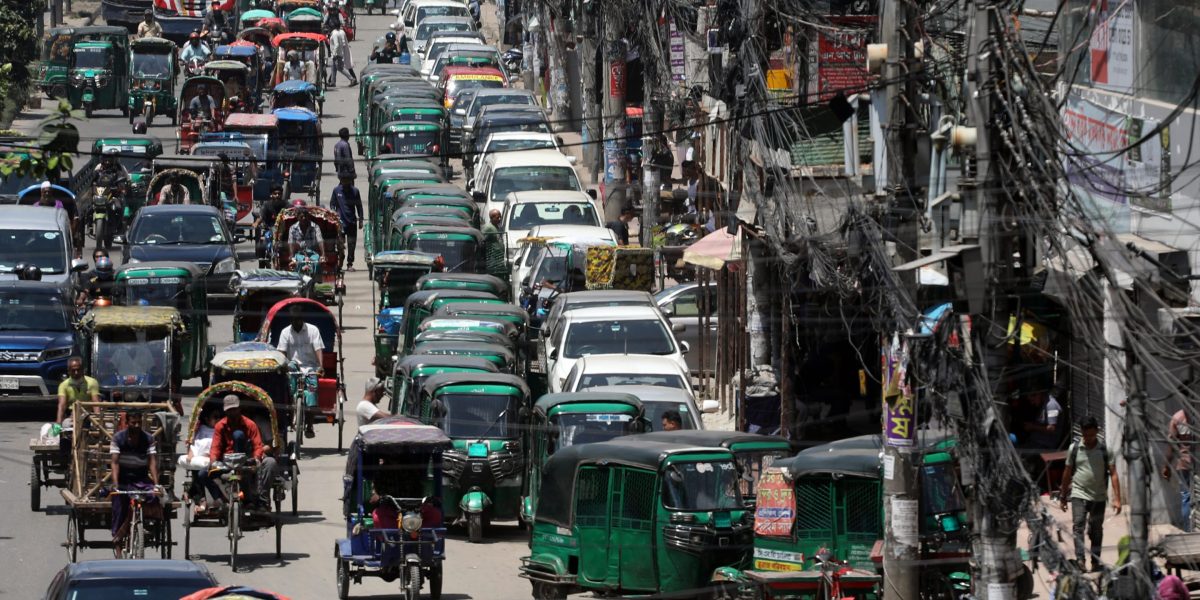
The intense demand for natural gas during the winter months poses a significant challenge for countries across Europe, Asia, and parts of North Africa like Egypt. These nations are likely to engage in bidding wars over available LNG, which will lead to even higher prices. Lewis indicated that southeastern Asian countries like Bangladesh and Pakistan might face severe challenges, unable to compete financially with their European counterparts due to significant gas shortages.
Despite the anticipated price increases for Europe, they are projected to be less severe than those experienced in 2022 after the Russian invasion of Ukraine. However, certain Asian nations may be vulnerable to grid failures, putting their energy stability at risk.
Europe’s Energy Crisis
Wood Mackenzie has labeled Europe as nearing “energy crisis territory,” particularly as plans to further restrict Russian LNG supplies coincide with a projected shortfall of natural gas. Current storage levels in Europe stand at just over 50% capacity, which is alarmingly low for late July. Wood Mackenzie’s optimistic scenario anticipates reaching only 75% capacity by November, far below the desired 90% threshold.
German and Dutch countries are facing sharper shortfalls, despite a reduction in Europe’s dependency on natural gas for electricity in the last five years. Ironically, the switch to coal during gas shortages has also become less viable, further complicating the situation. “So, you just pay more and take the cargoes away from Asia essentially,” Lewis noted, adding that extreme rationing of gas may become necessary if conditions worsen.
The broader focus in the Middle East has primarily been on crude oil disruptions; however, Qatar, one of the world’s leading LNG exporters, is experiencing significant challenges. The war has inflicted substantial damage to its LNG infrastructure, with full recovery expected to take until late 2027. Concurrently, the ongoing closure of the Strait of Hormuz is hampering operational LNG shipments, slowing the pace at which Europe and Asia can replenish their gas supplies.
As the energy landscape evolves, it has become clear that we may have surpassed a mere short-term price spike. The looming question is whether these disruptions could affect energy availability for multiple winters to come. The ramifications of the current crisis are set to ripple across the energy sector for years ahead, demanding careful navigation from both policymakers and industry leaders.