
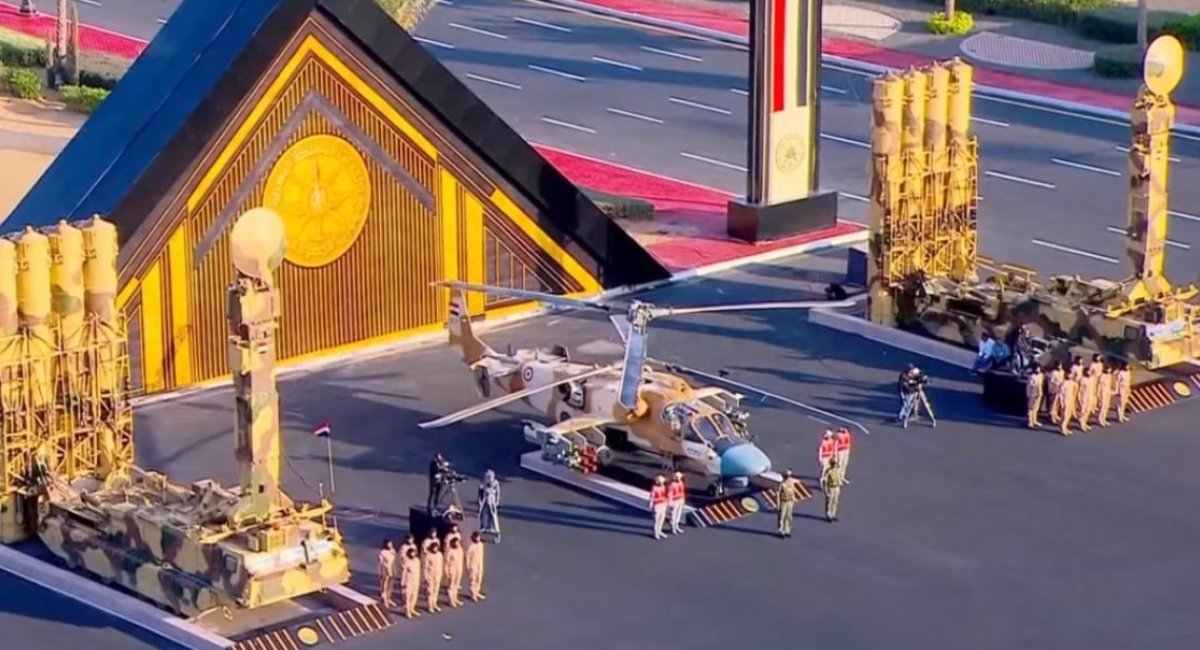
Turkiye is actively exploring potential buyers for its S-400 missile defense systems, which were procured from Russia under a 2017 agreement. Among the countries showing interest is Egypt, known for its existing fleet of Russian S-300VM surface-to-air missile systems. These systems are specifically designed to intercept ballistic missiles within a range of up to 40 kilometers.
Strategic Military-Technical Cooperation
Turkiye views the sale of S-400s as part of a broader strategy. The intention is not merely to sell the systems but to establish a long-term military-technical partnership with potential buyers. This could offer more robust military integration, making it easier for both nations to collaborate in future defense projects.
The ongoing discussions regarding the S-400s illustrate a significant shift in Turkiye’s defense posture. The country has faced complications in its relationship with NATO, leading to its removal from the F-35 program. Acting upon the sale of these advanced systems to Egypt could alleviate these issues while strengthening bilateral ties.
Benefits for Both Countries
There are compelling reasons for this proposed sale. For Egypt, the acquisition of the S-400s would bolster its air defense capabilities significantly. The Egyptian military’s familiarity with Russian defense systems simplifies the transition and potential integration of the S-400s into its existing infrastructure.
On the Turkish side, selling the S-400s to Egypt could remove a major obstacle concerning its international defense standing. If an agreement is reached, it would likely enhance Turkiye’s opportunities for future engagements with Western defense programs.
Logistical Considerations and Future Implications
However, this potential agreement raises important logistical questions. One concern is how the Egyptian military would maintain and operate the newly acquired S-400s. The role of Russia in this aspect remains uncertain, especially in terms of ongoing support and training which may be necessary for seamless operation.
Additionally, Egypt’s defense minister recently discussed the potential supply of S-400s during a visit to Turkiye, though this was overshadowed by other international events, like the NATO summit in Ankara. If the deal materializes, it could offer both nations an opportunity to solidify their military relationship while addressing each country’s unique geopolitical challenges.
In summary, the proposed sale of S-400s from Turkiye to Egypt represents a multi-faceted approach to defense strategy, aimed at enhancing both nations’ military capabilities while fostering long-term collaboration. As discussions continue, the implications for regional security dynamics could be significant, warranting close observation from international powers.