
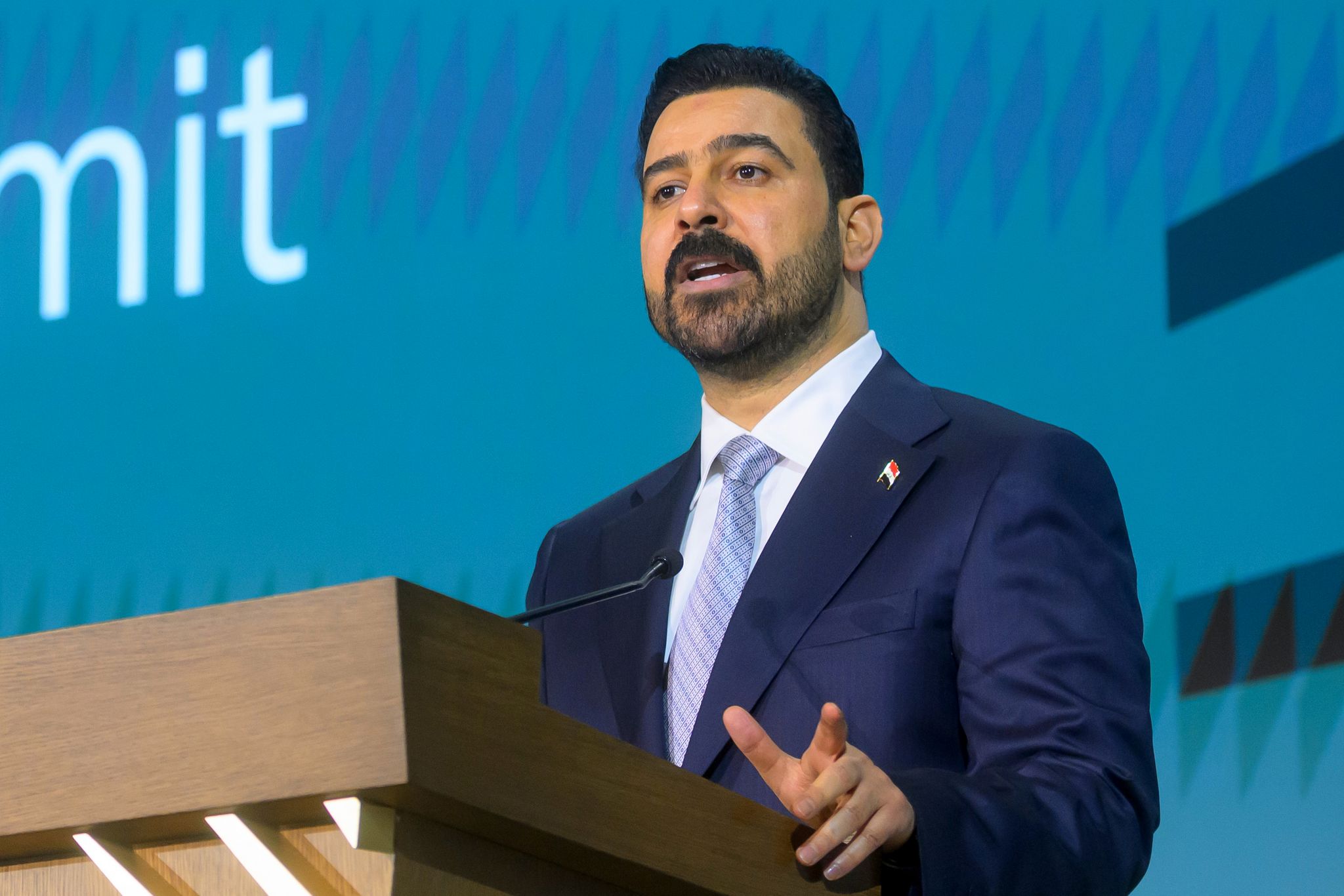
Iraq’s new Prime Minister, Ali al-Zaidi, recently visited Turkey to discuss essential developments, including a significant pipeline project intended to enhance the security of Iraq’s oil exports amid rising tensions in the Gulf region. This visit marks an important step in strengthening bilateral relations and signifies Iraq’s efforts to diversify its oil export routes, especially following the deadlock experienced in Iraqi politics after the last parliamentary elections.
Strategic Discussions on Infrastructure and Security
During his visit, al-Zaidi engaged in dialogues with Turkish President Recep Tayyip Erdoğan and various officials, with discussions centered around security, trade, energy cooperation, transportation, and water management. The Iraqi Prime Minister’s office emphasized that the focus of these talks would be on joint infrastructure projects that serve the mutual interests of Iraq and Turkey. This partnership aims to ensure economic stability and foster connectivity between the two neighboring nations.
Al-Zaidi recently emerged as a consensus candidate in the face of a prolonged political impasse in Iraq. His trip to Ankara follows visits to both Washington and Tehran, where he laid the groundwork for international collaboration and investment in Iraq. After discussions with U.S. President Donald Trump, American companies reportedly sealed approximately $60 billion in agreements concerning various sectors, including initiatives that will introduce alternative routes for oil exports from the Persian Gulf.
Proposed Pipeline Connections
Among the key initiatives being considered is a pipeline connecting southern Iraq’s Basra to western Iraq’s Haditha, continuing on to Turkey’s Ceyhan port and Syria’s Baniyas port. This strategic pipeline is seen as crucial for enhancing Iraq’s oil export capacity while mitigating risks associated with current geopolitical tensions in the region.
Al-Zaidi’s visit to Turkey comes at a pivotal moment, as the Turkish government aims to resolve a prolonged conflict with the Kurdistan Workers’ Party (PKK), which has established a significant presence in northern Iraq. Last year, the PKK announced a ceasefire and plans for disarmament, marking an essential shift in relations. Additionally, Turkey is set to introduce legislative measures that may facilitate a limited amnesty potentially allowing some militants to return.
Future Engagements and Commitments
Following his talks in Turkey, al-Zaidi is expected to travel to Saudi Arabia. His visit comes against a backdrop of increasing tensions, particularly after Saudi authorities accused Iran-backed Iraqi militias of carrying out drone attacks on the kingdom. Al-Zaidi has expressed a commitment to disarm non-state armed groups in Iraq by the end of September, a challenging goal given the influence of powerful militias that have publicly refused to lay down their arms.
In light of these developments, the Iraqi military has initiated investigations into the alleged attacks, asserting Iraq’s dedication to ensuring that its territory is not used for any hostile actions against friendly nations. The militias involved, however, have denied involvement in the assaults, responding to the accusations by suggesting they are part of a broader narrative to distract from other regional conflicts.
As these discussions continue, the direction of Iraq’s foreign relations and domestic stability will heavily depend on the outcomes of these high-level meetings and initiatives. The evolving political landscape in Iraq, characterized by a willingness to engage with neighbors and international partners, could redefine its role in the broader Middle Eastern context.