
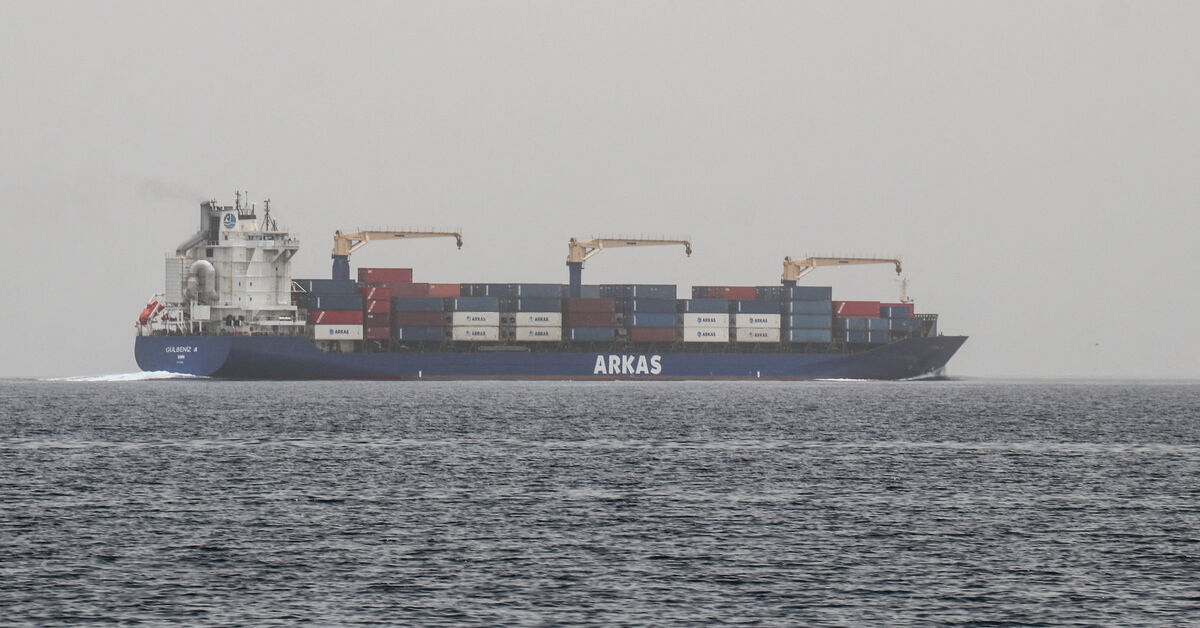
The Red Sea remains a crucial maritime route for global trade, particularly for oil transport, even amidst rising tensions and threats from the Houthi rebels. Recent data shows an ongoing flow of commercial traffic, including numerous oil tankers, navigating the strategically important Bab el-Mandeb Strait. This development exemplifies how commercial shipping continues to adapt to fluctuating geopolitical landscapes.
Shipping Stability Amidst Threats
Despite the Houthis’ renewed threats against Saudi shipping, commercial activity in the Red Sea has not come to a halt. Ship-tracking data from recent days indicates that over a dozen oil tankers were operating in the vicinity of the Bab el-Mandeb Strait. This follows an uptick in shipping traffic coinciding with renewed diplomatic efforts from President Donald Trump, aimed at addressing ongoing tensions between the U.S. and Iran. The situation is further complicated by a recent escalation in hostilities between Saudi Arabia and the Houthis, contributing to higher risks for shipping companies and the global economy.
After the Houthis announced a blockade on Saudi maritime traffic, Red Sea transit rates saw a decline. However, the current level of shipping does not mirror the traffic collapse witnessed during previous campaigns targeting maritime activities. Although Bab el-Mandeb crossings dropped by approximately 22% in the week following the Houthi declaration, traffic is still significant. On a recent Monday, 28 vessels transited the strait, well below the peak of 46 vessels observed earlier in the month.
Complex Shipping Routes and Economic Implications
As security concerns rise, shipping patterns are evolving in response to real-time risk assessments rather than outright avoidance of the Red Sea. For example, some supertankers are opting for longer routes, circumventing the Red Sea altogether to minimize threats. This shift, while increasing transport costs, indicates that shipping companies are actively weighing their options in the face of escalating tensions.
The economic implications of these developments are substantial. The Red Sea typically supports the transport of about 3 million barrels of Arab crude oil daily—any disruption here can ripple through global markets. Even minor disruptions could lead to increased freight costs and complications in voyage planning. With strategic reserves already at historically low levels, any additional strain on supply can exacerbate existing challenges in the energy sector.
The Future of Maritime Security in the Red Sea
Looking ahead, the risks associated with the Red Sea could continue to evolve. Recent statements from Yemeni officials suggest that the Houthis may be attempting to emulate Iran’s strategy in the Strait of Hormuz, which could pose long-term challenges for international shipping and supply chains. If the Houthis succeed in making key ports like Yanbu as treacherous as Hormuz, the implications for the global economy could be severe, particularly if Saudi Arabia’s ability to export oil is compromised.
While shipping continues through the Red Sea, the dynamics are changing, and market participants must remain vigilant. The recent drop in Saudi stock prices serves as a reminder of the interconnectedness of regional conflicts and broader economic stability. As the situation develops, the stakes remain high for maritime routes that play a pivotal role in sustaining global energy flows. The coming weeks and months will be critical in determining how shipping companies and markets adapt to ongoing uncertainties in the region.