
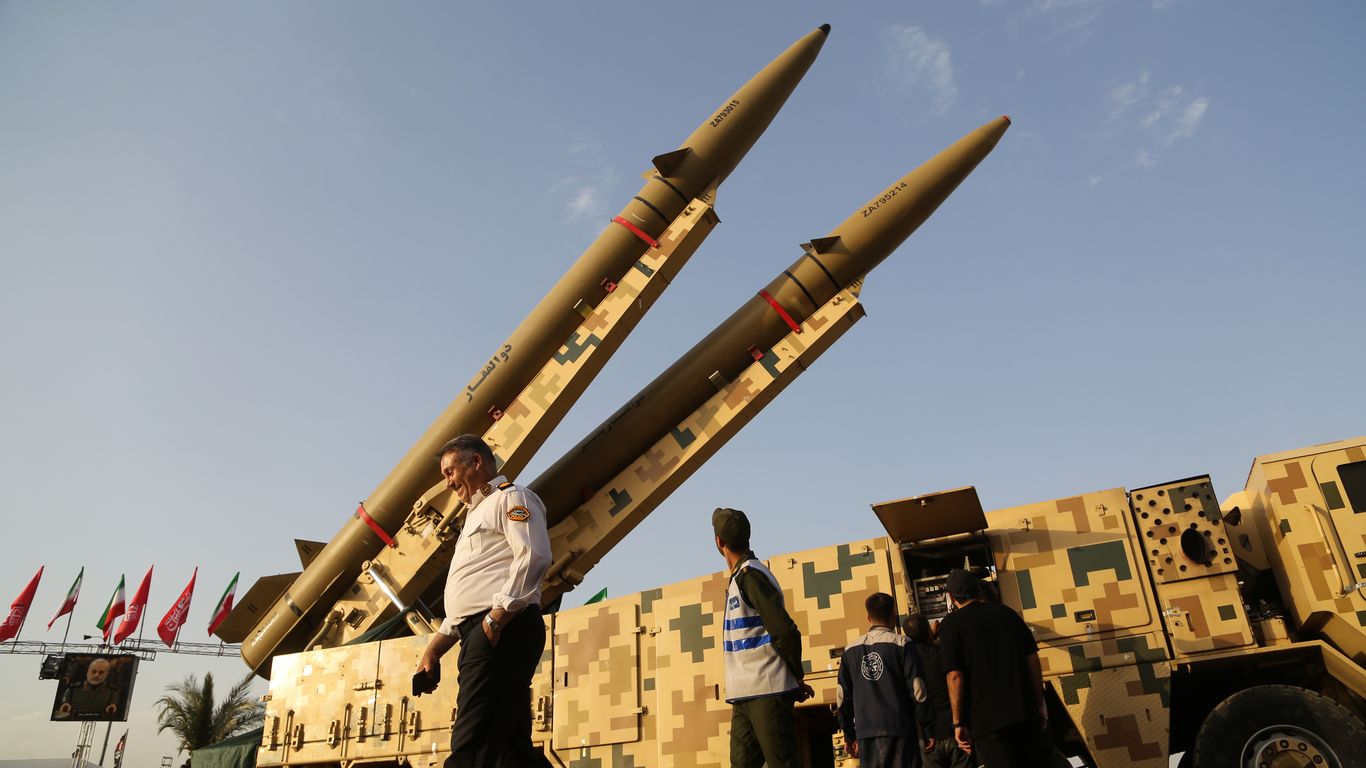
The recent missile threat in the Middle East has prompted a strong response from U.S. Central Command (CENTCOM). A series of missiles were deployed, but CENTCOM confirmed that all of them were intercepted successfully. This incident underscores the ongoing tensions in the region and highlights the effectiveness of missile defense systems employed by U.S. forces.
Overview of the Missile Threat
The missile launches were part of a broader escalation of military activities in the region, which have raised alarms for both local and international security agencies. While specific details regarding the origin and intent of the missiles remain classified, indications suggest that these attacks were aimed at destabilizing an already volatile environment. As geopolitical tensions increase, the U.S. continues to bolster its defense measures to safeguard both its interests and those of its allies in the Middle East.
CENTCOM’s Response and Interception Success
CENTCOM’s swift confirmation of a successful interception reflects the operational readiness and technological advancements of U.S. defense systems. These systems, designed to detect and neutralize incoming threats, played a crucial role in averting potential damage and loss of life. The efficiency of these systems not only protects military installations but also civilian populations in the vicinity, thereby reinforcing a broader sense of security in the region.
Implications for Regional Stability
The ability to intercept missiles is a significant factor in ensuring stability in the Middle East. As nations in the region continue to pursue their military capabilities, the U.S. presence and its defensive capabilities serve as a deterrent. However, the underlying tensions remain, and incidents like these underscore the fragile nature of peace. Continuous military preparedness and diplomatic efforts are essential to address the root causes of conflict and promote long-term stability.
Looking Ahead
In light of these recent events, the focus on missile defense technology and international cooperation will likely intensify. As geopolitical dynamics evolve, stakeholders in the region must navigate a complex array of challenges. Effective communication and collaboration among nations are vital to fostering an environment where misunderstandings can be minimized, and potential conflicts are resolved before they escalate.
As the situation develops, observers will be keenly watching how these military engagements impact U.S. foreign policy and defense strategy in the Middle East. Enhanced missile defense capabilities not only play a critical role in immediate defense but also influence strategic alliances. The successful interception of these missiles not only showcases military prowess but also serves as a reminder of the ongoing necessity for vigilance in a region prone to conflict.