
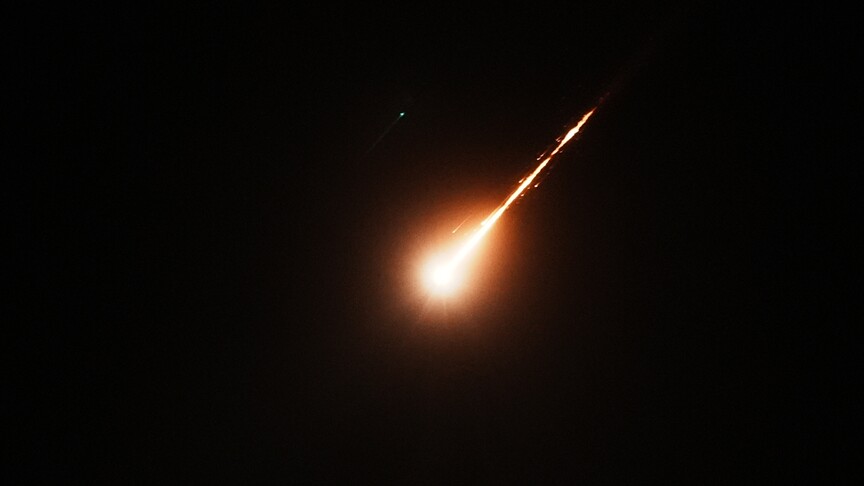
The recent joint military operations by the United States and Saudi Arabia have heightened tensions in the Middle East. On July 28, 2026, both nations launched precision strikes against Iranian-aligned groups in Iraq, marking a significant escalation in ongoing regional conflicts. This operation is a direct response to a series of drone attacks orchestrated by Iran’s Islamic Revolutionary Guard Corps (IRGC), which targeted U.S. forces and critical Saudi energy infrastructure.
Details of the Joint Strikes
According to a statement from U.S. Central Command (CENTCOM), these coordinated strikes were aimed at disrupting logistics and weapons facilities used by Iran-aligned terrorists. The attacks come in light of over 30 drone assaults that occurred within a mere 72-hour window prior to the strikes. CENTCOM noted that previous attempts to hit U.S. forces had not achieved their intended goals, indicating a robust defense by American military personnel. Between February and April, over 600 attempts targeting U.S. citizens and facilities were recorded, underscoring the persistent threat posed by these groups.
Saudi Arabia’s Position
The Saudi Defense Ministry corroborated CENTCOM’s account, highlighting the operation as a necessary measure in self-defense. The ministry referred to Article 51 of the United Nations Charter, emphasizing the legality of their actions in response to aggression originating from Iraqi territory. The strikes were explicitly aimed at mitigating attacks that jeopardized petroleum facilities on Saudi soil. The Kingdom asserted that its military actions are not intended to escalate the conflict but rather to act against threats that compromise its security.
Reactions from Iranian-aligned Groups
In response to the strikes, the Popular Mobilization Forces (PMF), an Iranian-backed coalition of Shia militia groups, reported multiple casualties and significant damage to their facilities. They condemned the strikes as “treacherous terrorist attacks” and called the actions a grave violation of Iraq’s sovereignty. The PMF’s leadership in Basra announced that their headquarters were targeted at around 2 a.m. local time, leading to injuries and fatalities among their ranks. This has sparked renewed concerns over Iraq’s sovereignty and the increasing complexity of foreign military interventions within its borders.
Monitoring the Situation
With escalating military actions and rising casualties, Iraqi authorities have begun monitoring the situation closely. They are currently assessing the extent of injuries and infrastructure damage caused by the recent strikes. The PMF’s leadership has characterized these operations as highly dangerous, warning of the implications this escalation could have on Iraq’s internal stability and the broader region. As the narrative unfolds, the potential for further conflict raises critical questions about the future of peace and security in Iraq, especially concerning foreign military involvement.
In conclusion, the situation remains highly fluid as U.S. and Saudi operations continue in response to the threats posed by Iranian-aligned factions. The interactions between these nations and local groups are under intense scrutiny, as the balance of power and stability in the region hangs in the balance. The potential for further military responses looms large, underscoring the ongoing fragility of the geopolitical landscape in the Middle East.