
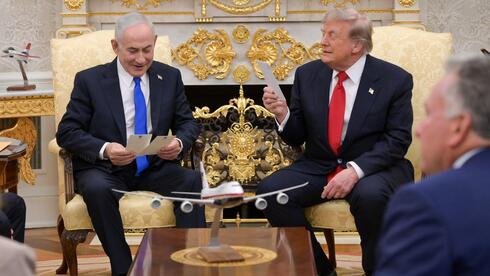
Following an intense 80-minute conversation at the White House, Israeli Prime Minister Benjamin Netanyahu expressed that it was among his most productive discussions with President Trump. While Netanyahu characterized the meeting positively, Israeli officials stated that the dialogue was largely focused on concerns regarding Iran. However, key topics such as potential strikes on undisclosed nuclear facilities, arms sales to Turkey, and the prospect of Palestinian statehood were notably absent from the conversation.
Iran: The Central Topic of Discussion
The main emphasis during the meeting revolved around Iran and its influence in the region. Both leaders acknowledged the escalating threats posed by Iran’s nuclear ambitions and its military presence across the Middle East. This vital aspect of global security was a priority not only for Israel but also for the United States. Netanyahu’s concerns regarding Iran’s activities demonstrate Israel’s ongoing vigilance against external threats, which remains a focal point in Israeli foreign policy.
Unaddressed Issues: Arms Sales and Palestinian Statehood
Interestingly, significant issues such as potential military arms sales to Turkey and the contentious topic of Palestinian statehood were conspicuously absent from the agenda. These topics have long been at the forefront of Israeli-Palestinian relations and regional stability. The omission raises questions about the priorities set by both leaders and whether the lack of discussion on these critical matters signals a shift in diplomatic strategy or a temporary retreat from addressing complex regional dynamics.
The Implications for Future Diplomacy
This meeting has implications that extend beyond the immediate discussions. By focusing primarily on Iran, Netanyahu and Trump may be signaling a more concentrated effort to combat what they perceive as existing threats. This approach might create an environment where other pressing issues, such as arms sales and the Israeli-Palestinian conflict, are sidelined for the time being. Future diplomatic efforts might be shaped by this singular focus, potentially limiting the scope of Israel’s international relations.
The strategic choices made during such high-level meetings can significantly alter the trajectory of diplomatic engagements in the region. Emphasizing Iran may consolidate support among allies concerned about Tehran’s actions while inadvertently neglecting the longstanding issues that have vexed peace efforts for decades.
In summary, while Netanyahu hailed the meeting as successful, the absence of critical discussions raises important considerations about the future of Israeli and U.S. diplomacy in an ever-complex geopolitical landscape. As leaders navigate these challenges, it remains essential to balance immediate concerns with enduring issues that continue to shape the region’s stability.