
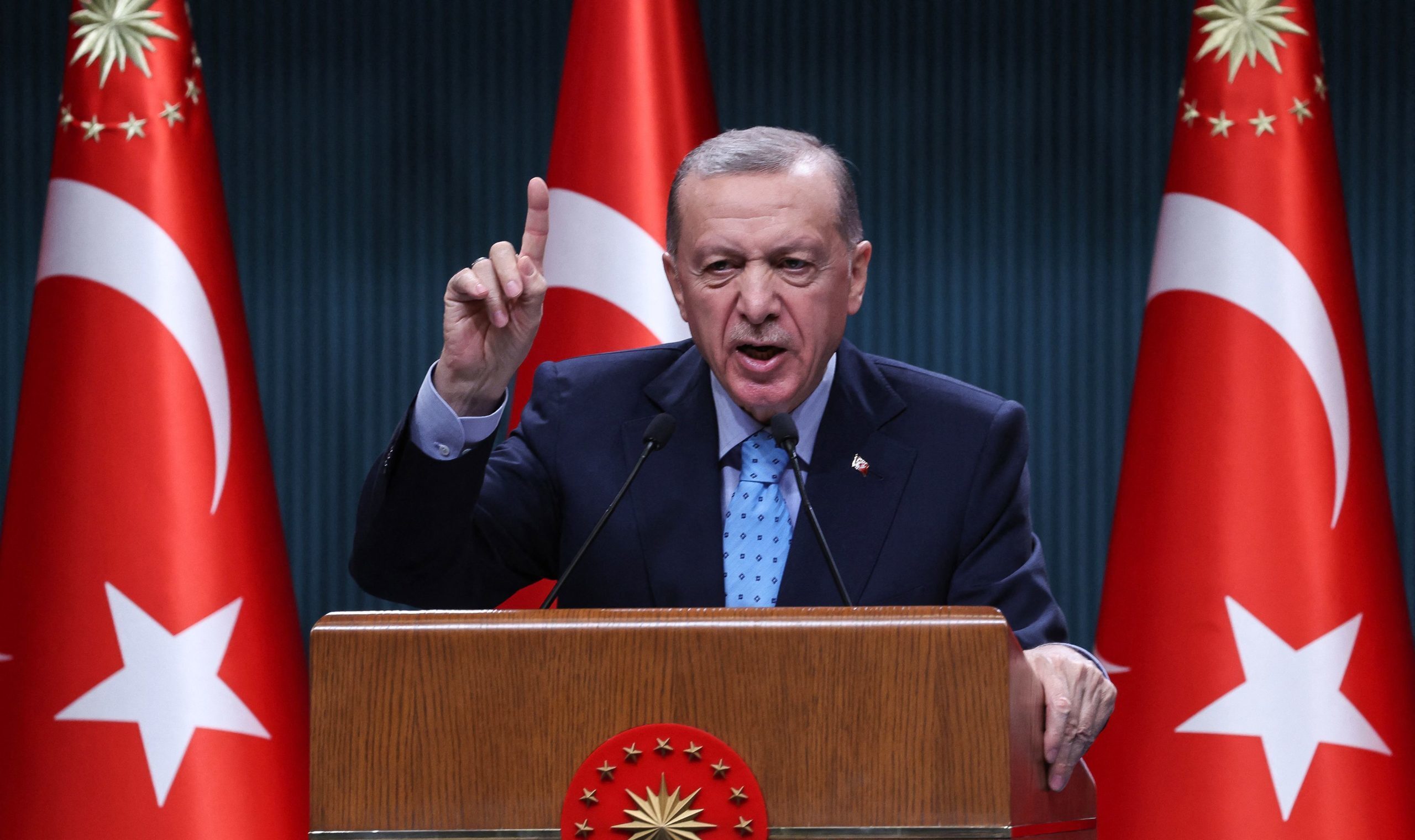
The recent deterioration of relations between Israel and Turkey is one of the more perplexing developments in Middle Eastern geopolitics. This diplomatic rift has escalated from mere verbal exchanges to serious political implications, with Israeli leaders, including Prime Minister Benjamin Netanyahu, labeling Turkey’s ambitions as “aggressive.” Moreover, there have been discussions regarding Turkey’s possible removal from NATO, a move that would have significant repercussions for regional alliances.
### A Shifting Geopolitical Landscape
Historically, Turkey has been a crucial ally for Israel. Recognizing Israel shortly after its founding, Turkey was once seen as a stabilizing partner in the region. In the past, both nations enjoyed substantial military cooperation and a thriving trade relationship, which lasted until turbulence in recent years saw Turkey halt trade in response to escalating violence in Gaza. This unraveling coincides with broader geopolitical shifts that have seen both countries reassess their priorities and alliances.
Israeli figures, including former Prime Minister Naftali Bennett, have made alarming comparisons between Turkey and Iran. Bennett’s assertion that “Turkey is the new Iran” underscores a growing concern within Israel that Turkey’s regional influence is becoming increasingly antagonistic, potentially prompting a realignment of alliances and hostilities in the Middle East.
### The Historical Context
Despite their former camaraderie, the current situation reflects deeper historical currents. For decades, Israel and Turkey shared common adversaries, such as the Soviet Union and various Arab states. Their collaboration was not merely political; it extended to military and intelligence partnerships, especially during times when mutual threats enabled cooperation. However, shifts in these dynamics seem to have eroded the foundational ties they once had.
Significantly, the 2020 Nagorno-Karabakh conflict exemplified how Israeli-Turkish interests once converged, yet Israel’s decision to arm Azerbaijan was likely influenced by its historical relationship with Turkey. Azerbaijan remains crucial to Turkey’s strategic interests, and the fallout from the conflict invites speculation about how such alliances may shift as Turkey grows more assertive.
### Modern Tensions and the Road Ahead
Today, mutual criticism has ramped up, with Turkish officials voicing staunch condemnations of Israeli policies while Israel’s leadership increasingly views Turkey as a competitor. This rivalry is complicated by the changing power dynamics in the Middle East and broader shifts in U.S. foreign policy that may inadvertently affect both nations.
As discourse around Turkey grows increasingly hostile, it is essential for observers to note the irony of Israel’s current stance. Once a vital ally, Turkey has now been framed as a potential adversary. The historical lens through which Israeli-Turkish relationships must be viewed is critical; existing geopolitical interests are now driving both nations to recalibrate their roles on the international stage.
### Conclusion: The Future of Turkish-Israeli Relations
The future trajectory of relations between Turkey and Israel appears uncertain. While further deterioration seems likely, American policymakers need to approach this dynamic with foresight. The interests of both Israel and Turkey should not overly influence U.S. foreign policy, especially when those interests diverge from American objectives in the Middle East.
Ultimately, as the situation continues to evolve, the United States ought to maintain a neutral stance. With growing tensions between these two nations serving as a reminder of shifting alliances, clear-eyed policy decisions will be crucial to ensuring that U.S. interests remain paramount, irrespective of how Israeli and Turkish relations unfold in the coming years.