
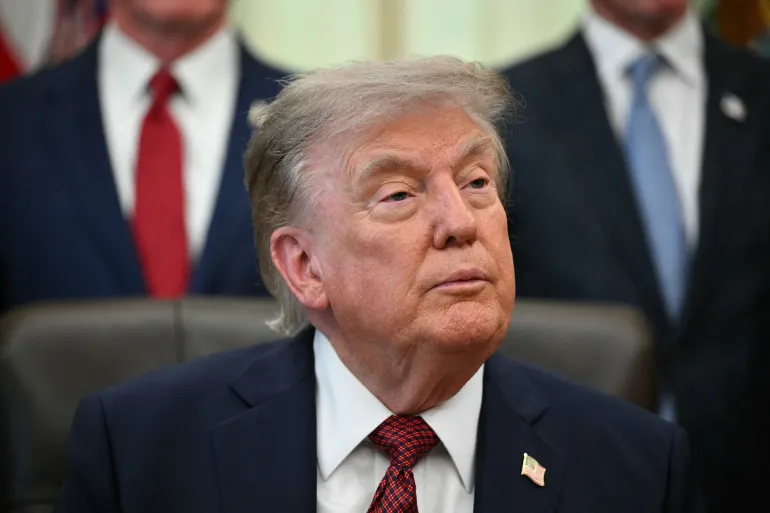
Egypt and Jordan are calling for an immediate end to military escalation in the region, alongside a commitment to pursuing political and diplomatic solutions. This stance comes in light of recent developments, including warnings from U.S. President Donald Trump regarding the potential resumption of military action against Iran if diplomatic negotiations fail. Trump also mentioned that the U.S. is applying a stringent naval blockade in the region.
Joint Efforts for Peace and Stability
The unified position articulated by Egypt and Jordan arose during a recent phone conversation between Egyptian Foreign Minister Badr Abdelatty and his Jordanian counterpart, Ayman Safadi. The two officials condemned ongoing Israeli actions in the occupied territories, including the West Bank, Gaza Strip, and East Jerusalem. They emphasized the necessity for a reinforced ceasefire and the unobstructed delivery of humanitarian aid. Additionally, they discussed the importance of progressing on the U.S.-backed peace framework for Gaza, urging collective efforts for stability in the region.
During their dialogue, both ministers expressed concern over escalating military actions that could potentially broaden the existing conflict. Abdelatty reassured Safadi of Egypt’s unwavering support for Jordan and reaffirmed Cairo’s rejection of any threats to Jordan’s sovereignty, security, and overall stability. This solidarity reflects the growing necessity for regional collaboration to mitigate tensions and promote peace.
Diplomatic Dialogues and Military Readiness
In a separate context, the Gulf Cooperation Council foreign ministers convened virtually to deliberate on ongoing diplomatic initiatives, regional de-escalation policies, and navigation security through the strategically critical Strait of Hormuz. They unanimously called for enhanced regional cooperation and initiatives aimed at building confidence, leaning towards political resolutions that are acceptable to all involved parties.
In an interview with Fox News, President Trump shed light on discussions held with Iran, indicating a preference for diplomatic agreements over military actions. However, he warned of the potential for renewed military operations should negotiations not yield positive results. Trump asserted that the U.S. has significantly compromised Iran’s military capabilities and is currently enforcing an effective naval blockade, ensuring that no vessels could breach it. While he expressed reluctance to target Iranian infrastructure due to humanitarian concerns, he made it clear that such options remain on the table.
Iran’s Strategic Responses
In response to U.S. actions, Iran issued warnings regarding any entities that might accept frozen Iranian assets as compensation for vessels harmed during this ongoing conflict. The Iranian military command also dismissed Trump’s proposal to use these frozen funds, underscoring Tehran’s determination to maintain its rights over the Strait of Hormuz, a vital maritime route.
In a proactive diplomatic move, Oman has presented a proposal aimed at establishing a collaborative regional framework for managing navigation through the Strait of Hormuz. This proposal includes voluntary fees for transit and measures to limit Iran’s unilateral control over the waterway. However, senior Iranian officials have yet to provide a formal response to this initiative.
In further developments, Jordan’s military recently intercepted and downed a drone that penetrated its airspace, illustrating the ongoing security challenges faced in the region. Meanwhile, the Arab Parliament has condemned drone attacks aimed at Saudi Arabia, categorizing these actions as serious violations of national sovereignty and threats to regional security.
The intricate dynamics of the Middle East continue to evolve, with countries navigating a complex landscape of military and diplomatic challenges. As regional powers call for cooperation and seek resolutions, the delicate balance of security and diplomacy remains critical in fostering lasting peace.