
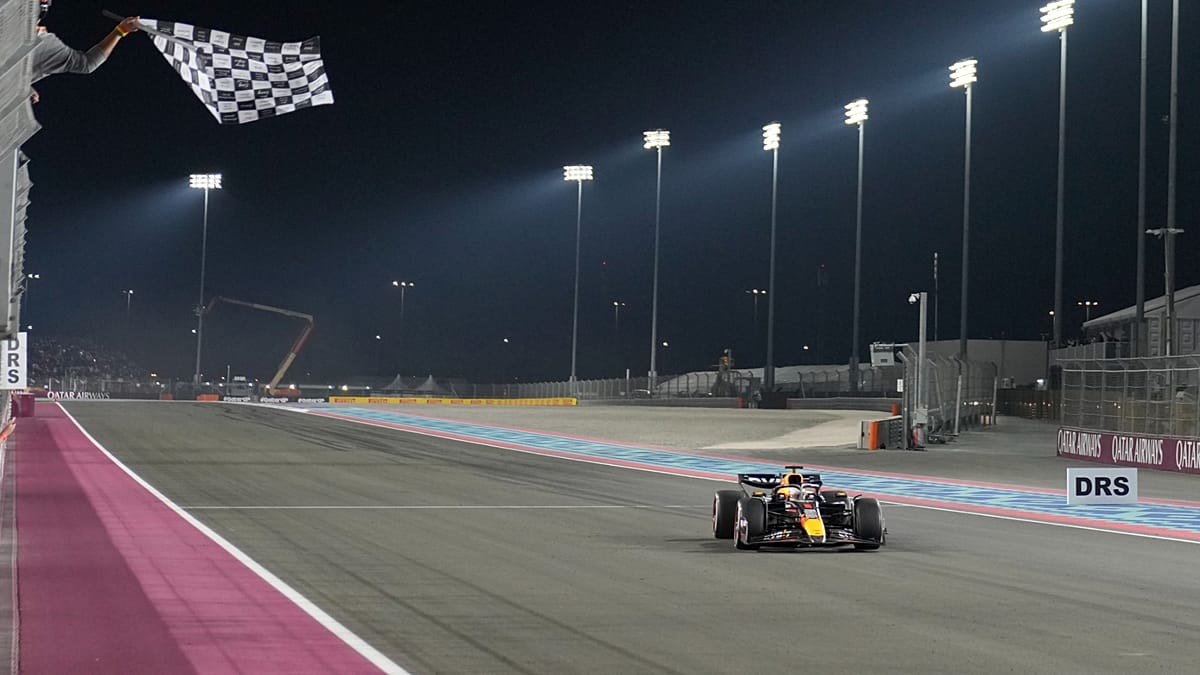
Formula 1 is navigating uncertain waters as it prepares for the final two races of the 2026 season in Qatar and Abu Dhabi. With ongoing conflicts in the Middle East, the sport’s authorities are making contingency plans, including potential European locations, to ensure the season concludes smoothly. The situation remains fluid, prompting officials to remain vigilant and adaptable as they approach critical deadlines.
Decision Timeline and Current Planning
Following last weekend’s Hungarian Grand Prix, F1 President and CEO Stefano Domenicali addressed the media, emphasizing that no definitive decisions would be made before mid-September. This timeframe allows organizers to continuously evaluate developments in the region. “Currently, we’re confident in the races in Qatar and Abu Dhabi,” Domenicali stated. He further noted that if the circumstances do not stabilize by the specified timeline, alternative arrangements would be considered, potentially shifting the season’s end to Europe.
As it stands, the schedule includes the Qatar Grand Prix on November 29 and the Abu Dhabi Grand Prix on December 6. Domenicali is keen on delaying any changes as long as practical, with a strong desire to maintain a full 24-race season. This commitment underscores the sport’s dedication to its fans and participants, despite the prevailing unpredictability.
Continued Adaptations Amid Global Unrest
This isn’t the first instance of disruption in the F1 calendar due to regional conflicts. Earlier in the season, the Bahrain Grand Prix was relocated to Malaysia, and the Saudi Arabian Grand Prix was scrapped altogether. These shifts indicate F1’s flexibility and willingness to adapt to changing circumstances, ensuring the sport remains global despite regional challenges.
The decision to wait until mid-September affirms the organizers’ hope that conditions will improve. However, planning for alternatives demonstrates F1’s proactive stance. If the final races cannot take place in the Middle East, European venues will be prioritized, keeping the season intact and concluding on the right note.
Broader Impacts on Racing Events
Domenicali’s comments came on the heels of another significant decision, as the FIA World Endurance Championship (WEC) announced the removal of the Qatar 1812 KM race from its 2026 calendar. This highlights the broader repercussions of instability in the Middle East on various motorsport events. Although organizers remain committed to reinstating the Lusail International Circuit race in the future, the adjustments reflect a cautious approach to planning any major events in the region.
In the updated 2026 calendar, the races initially set for Qatar and Bahrain are replaced by events in Spain and Italy. This shift illustrates that while F1 remains hopeful for the season’s conclusion in the Gulf, it is equally prepared to embrace alternative options that prioritize safety and continuity.
As Formula 1 moves forward, it continues to demonstrate an exceptional balance of optimism and pragmatism. With diligent monitoring and preparedness, the sport aims to deliver an exhilarating finish to the 2026 season while ensuring the safety and engagement of its global fanbase.