
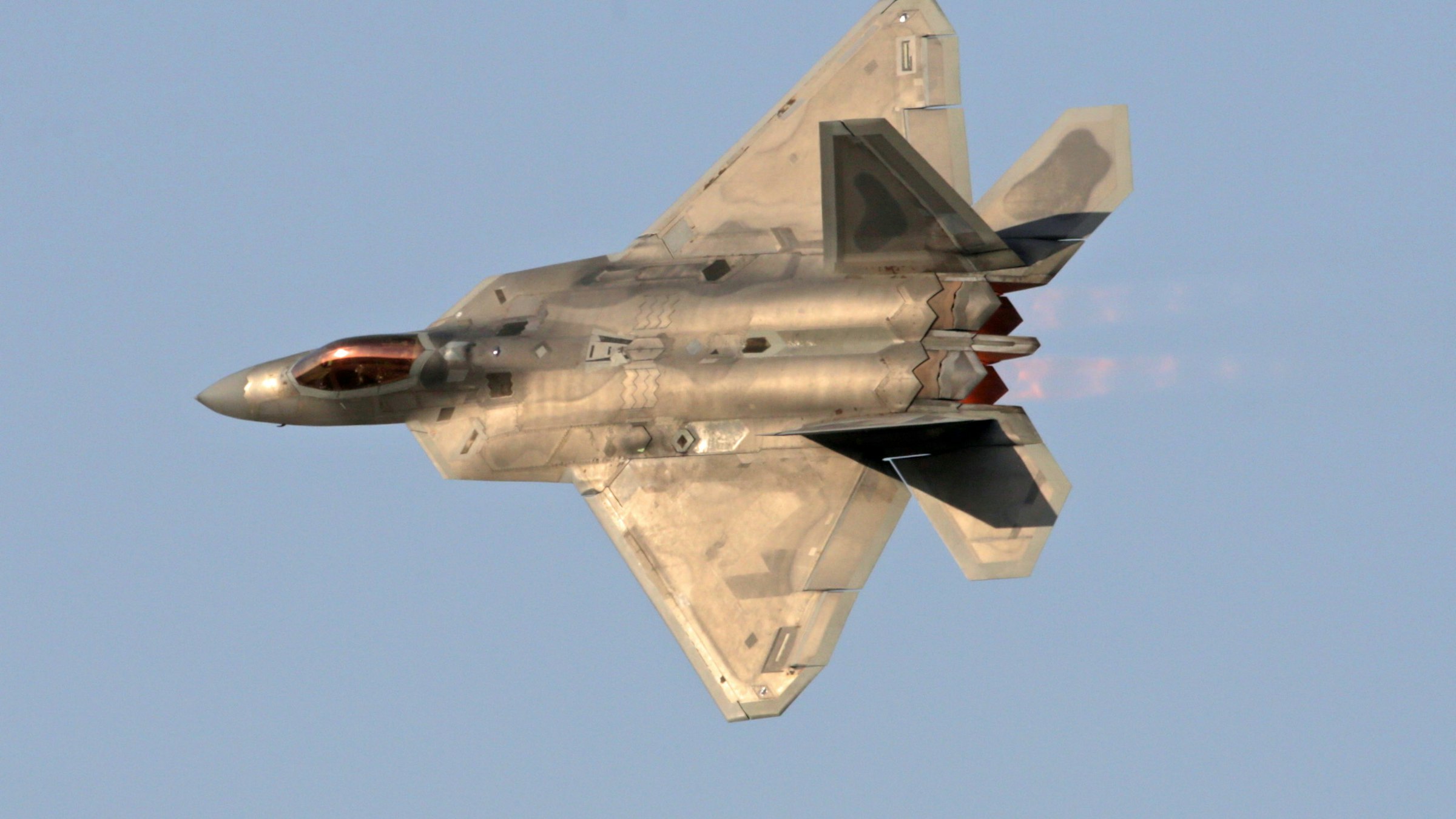
On April 8, a ceasefire marked a pivotal moment in the ongoing US-Israel conflict with Iran, revealing deeper involvement from regional powers. Recent revelations indicate that both Saudi Arabia and the United Arab Emirates (UAE) played a more significant role in the military engagements than previously acknowledged.
UAE’s Covert Operations Unveiled
On May 11, The Wall Street Journal broke the news about the UAE’s covert airstrikes during the recent conflict, which underscored the nation’s strategic involvement. While the UAE has publicly maintained a more neutral stance, reports suggest that its air force conducted targeted operations that significantly contributed to the dynamics of the conflict. These clandestine airstrikes highlight the nation’s military capacity and willingness to take assertive actions even outside the public eye.
Additionally, the nature of these operations raises questions about the UAE’s long-term strategies in the region. By engaging in such missions, the UAE signals its commitment to counter Iranian influence and its readiness to collaborate with allies in the face of ongoing threats. Such revelations also suggest that the UAE is pivoting towards a more aggressive military posture, marking a potential shift in its foreign policy objectives.
Saudi Arabia’s Involvement Confirmed
Following the report from The Wall Street Journal, Reuters disclosed that the Royal Saudi Air Force also played a noteworthy role in the conflict. Citing unnamed western officials, the report detailed how Saudi forces were involved in numerous operations during the hostilities. This escalated engagement by Saudi Arabia emphasizes its concerns about Iran’s growing influence, especially in scenarios where it perceives a direct threat to its national security.
Saudi Arabia’s participation in the conflict is significant, reflecting a deeper alignment with Western interests, particularly those of the United States. This collaborative approach highlights the complexities of the new geopolitical landscape in the Middle East, where traditional alliances are constantly evolving due to regional rivalries.
Implications for Regional Stability
The enhanced military activities of both Saudi Arabia and the UAE bode mixed prospects for regional stability. On one hand, their involvement may deter Iranian assertiveness and reassure allies, but on the other hand, it risks escalating tensions further. As these nations take a more active role in conflict, the chances of unintended confrontations increase, heightening the potential for a broader regional conflict.
Moreover, the implications of these developments extend beyond immediate military confrontations. The actions of Saudi Arabia and the UAE could reshape alliances and responses among neighboring countries, prompting a reevaluation of diplomatic strategies and military collaborations throughout the region.
In conclusion, the revelations regarding the UAE and Saudi Arabia’s deeper involvement in the US-Israel conflict with Iran serve as a critical reminder of the shifting tides in Middle Eastern politics. As these nations navigate their interests and security concerns, the potential for unrest and instability remains ever-present, making the situation one to watch closely in the coming months.