
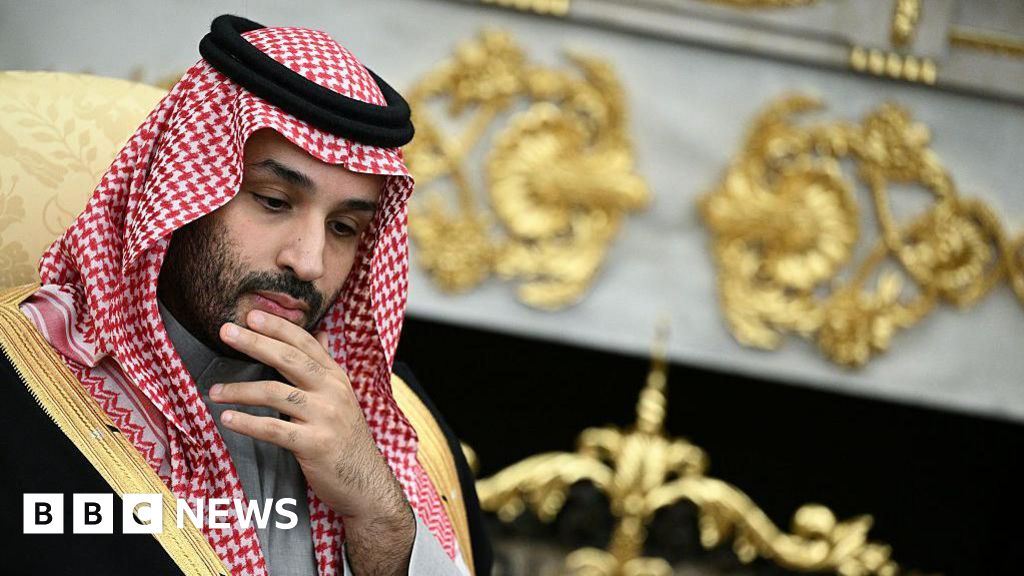
In recent years, the geopolitical landscape of the Middle East has been marred by conflict and unrest. As tensions rise, Saudi Arabia finds itself contending with threats from various fronts, particularly from its southern neighbor, Yemen. Despite previous attempts at establishing a truce, the situation remains precarious, leaving the Kingdom in a state of heightened alert.
Saudi Arabia’s Strategic Challenges
In 2022, Saudi Arabia entered into a fragile ceasefire with the Houthi rebels, a group supported by Iran. The ceasefire was marked by reports of financial incentives aimed at achieving peace. However, the semblance of stability has proven to be short-lived. Today, this oil-rich nation is once again grappling with missile threats and drone incursions emanating from Yemen. The geographic proximity and ongoing hostilities create a multifaceted security dilemma for Saudi Arabia.
Regional Conflict Dynamics
The conflict is not solely restricted to Yemen. As tensions simmer in the south, the northern front from Iraq poses an additional challenge. Iranian-backed militias operating in Iraq have also escalated their activities, further complicating Saudi security measures. The Kingdom is now confronted with a two-front conflict that stretches its military resources and diplomatic strategies. These overlapping threats highlight the complexities of regional geopolitics and the challenges in finding a sustainable resolution.
Implications for National Security
The ongoing confrontations necessitate that Saudi Arabia bolster its defense systems. With advanced military technology and strategic partnerships—particularly with Western allies—the Kingdom is attempting to fortify its borders. However, the persistent threat from both Yemen and Iraq raises questions about the long-term effectiveness of these efforts. The reality of facing simultaneous attacks forces Saudi Arabia to reconsider its defense strategies and engage in more robust diplomatic efforts to quell hostilities.
The Path Forward
As Saudi Arabia navigates these tumultuous waters, its leadership must explore new avenues for dialogue and peacebuilding. Renewed negotiations, possibly facilitated by international mediators, could open doors to a more stable and peaceful regional environment. However, the complexities of the situation—rooted in historical grievances, sectarian divides, and geopolitical interests—present formidable obstacles. It remains to be seen whether the Kingdom can achieve lasting peace in a landscape defined by conflict and suspicion.
In summary, the geopolitical tensions enveloping Saudi Arabia underscore the need for a multifaceted approach to national security and diplomacy. With threats emerging from both Yemen and Iraq, the Kingdom must adapt its strategies and engage with regional stakeholders to find enduring solutions. The pathway remains fraught with challenges, but proactive measures could pave the way for a more peaceful Middle East.