
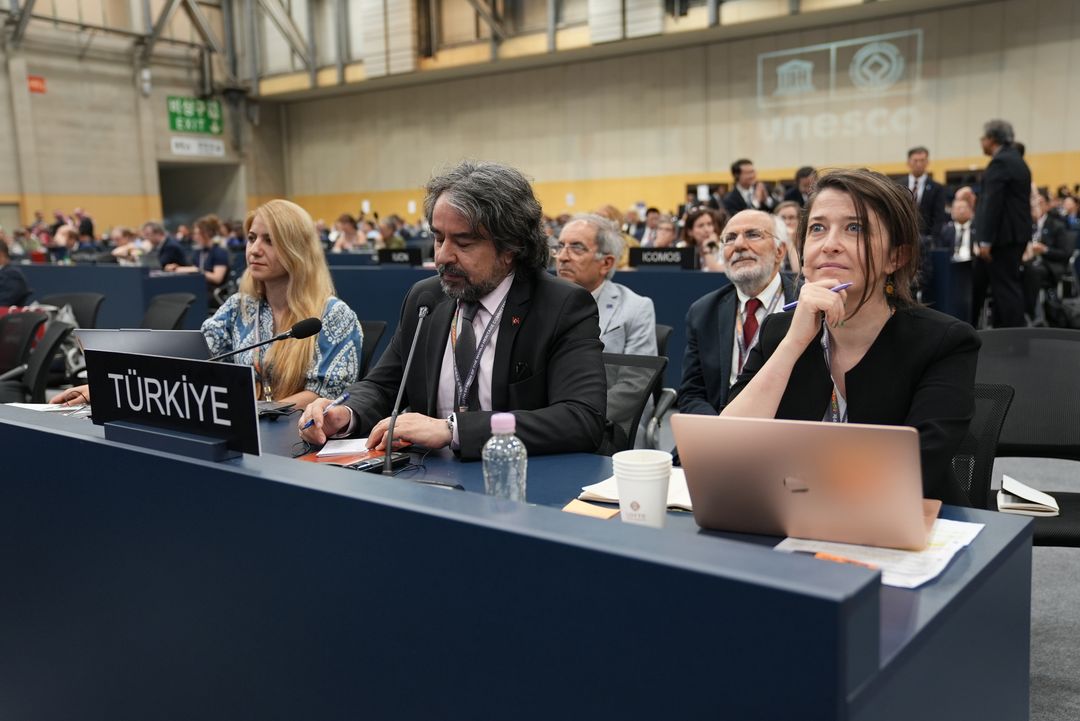
As the 48th session of UNESCO’s World Heritage Committee winds down in Busan, South Korea, Türkiye has established itself as a key diplomatic player within the organization. This session not only highlights Türkiye’s increasing influence but also underscores its commitment to safeguarding cultural heritage around the world.
Türkiye’s Role as a Diplomatic Leader
Türkiye has taken on a proactive role in navigating some of the most contentious heritage discussions of the session. By facilitating consensus on critical decisions, Türkiye aims to reinforce its position as a custodian of cultural landmarks while also serving as a mediator between countries grappling with complex conservation issues. The upcoming hosting of the Committee’s next meeting in Istanbul further solidifies Türkiye’s dedication to this cause.
Cultural Heritage Under Threat
One of the focal points of this session was the deliberation on the heritage status of the Sebastia archaeological site in Palestine and the Mount Amel Castles in Lebanon. Recognized as UNESCO heritage sites on July 23, both locations face ongoing risks due to political instability and conflict. The situation surrounding Sebastia, in particular, has garnered significant global attention as it is under continuous threat from Israeli actions, suggesting a dire need for international intervention.
Ambassador Mustafa Yurdakul, Türkiye’s Permanent Delegate to UNESCO, expressed optimism that Sebastia’s listing on the World Heritage List will foster international collaboration and support in preserving Palestine’s rich cultural legacy. He praised Palestine’s commitment to cultural preservation despite facing extreme challenges and highlighted the historical significance of Sebastia, which represents over three millennia of civilization.
The Importance of International Recognition
Located near Nablus in the occupied West Bank, Sebastia has long been a priority for Palestinian officials advocating for UNESCO recognition. They argue that such acknowledgment is crucial for the site’s protection under Israeli occupation. The pressing need for international backing to secure Sebastia’s future is underscored by an ongoing commitment from Türkiye to aid in this endeavor.
Friendly relations between Türkiye and Palestine have been pivotal in advancing the discourse around Sebastia’s emergency inscription. Adel Attieh, Palestine’s Permanent Delegate to UNESCO, commended Türkiye’s ambassador for standing firm against pressure to influence member state voting. Despite attempts by Israel to undermine the nomination through intimidation tactics, the international community chose to uphold its commitments in recognizing Sebastia as a site of universal value, affirming the importance of cultural heritage amid political complexities.
The outcome of these discussions sheds light on the evolving dynamics in global heritage advocacy, reinforcing Türkiye’s role as a mediator and supporter of cultural heritage sites facing challenge. As the world watches how Türkiye navigates these delicate situations, its emerging influence within UNESCO serves as a testament to the power of diplomacy in cultural preservation.