
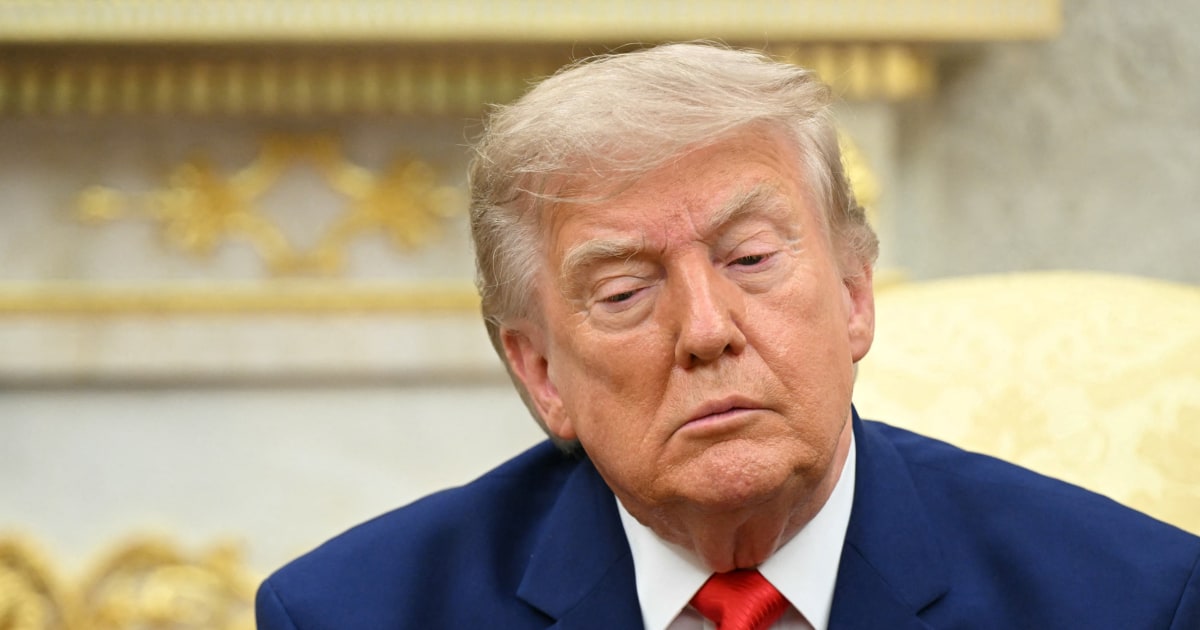
In a recent development, tensions rose within the highest echelons of U.S. leadership as President Trump expressed his frustration during a national security meeting. This incident highlights the ongoing challenges faced by the administration in managing its foreign and domestic policies.
Conflict Among Top Officials
During the meeting, President Trump reportedly confronted several of his key national security advisors, demonstrating a volatile exchange that left attendees concerned. Sources indicate that the atmosphere was charged as the president voiced his dissatisfaction with various strategic approaches. This incident underscores the often contentious nature of internal deliberations, especially on pressing issues such as foreign relations and national defense.
Implicated Advisors
While specific names were not disclosed, the advisors involved are known to have significant influence over the U.S.’s strategic initiatives. As the president navigates the complexities of global politics, differing viewpoints among his top officials can lead to friction. These conflicts not only affect the decision-making process but also reflect broader tensions within the administration regarding how to approach key issues.
The Impact on National Security Policy
Such confrontations can have far-reaching consequences for national security policies. When leaders clash, it can stymie collaboration, hinder effective strategy implementation, and create uncertainty in critical areas. Observers note that a unified front is essential for maintaining American standing on the global stage, and episodes of discord can weaken that effectiveness.
Looking Ahead
As the administration moves forward, the ability to reconcile different perspectives among advisors will be vital. Achieving consensus is crucial, especially given the increasingly complex landscape of international relations. Moving past these internal disputes may allow for a more coherent and effective national security policy. The coming weeks will be telling as the administration attempts to unify its approach in light of these recent tensions.
In summary, the recent meeting serves as a microcosm of the broader challenges the administration faces in shaping a consistent national security agenda. The need for harmony among key players has never been more essential as the nation grapples with pressing foreign and domestic challenges.