
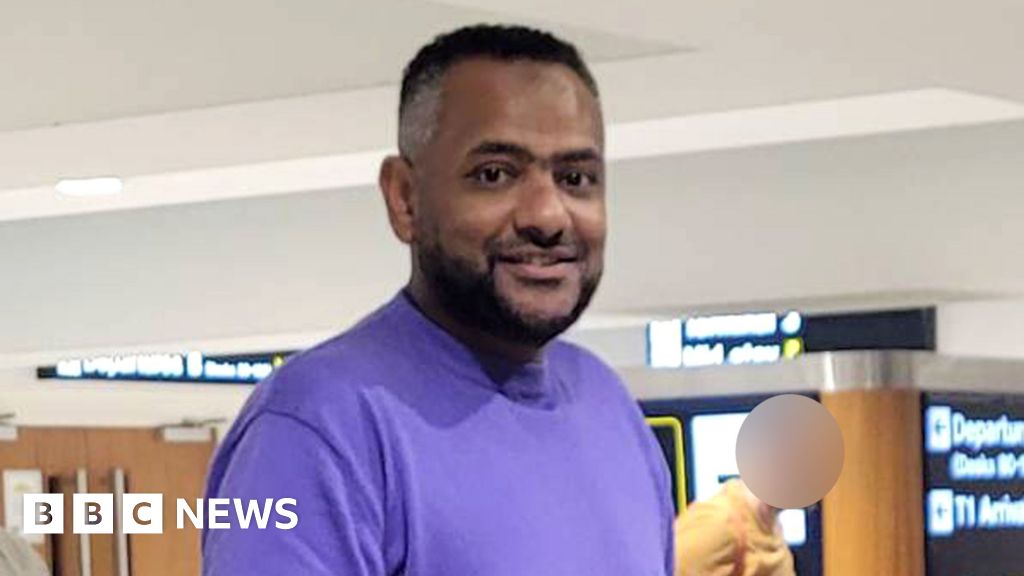
In recent years, the situation surrounding social media freedom and censorship has gained global attention, particularly in Saudi Arabia. One notable case is that of Ahmed al-Doush, who has been imprisoned since 2024 for allegedly posting a few social media updates considered controversial by the authorities. This incident highlights the ongoing struggle for free expression in one of the Middle East’s most restrictive environments.
The Context of Freedom of Expression in Saudi Arabia
Saudi Arabia has long been synonymous with stringent laws governing freedom of speech and expression. The nation’s legal framework often targets individuals for their social media activities, leading to detention and legal repercussions. Social media has become a double-edged sword; while it offers platforms for connectivity and discourse, it also poses significant risks for those who dare to express dissent or challenge the status quo. The case of Ahmed al-Doush is emblematic of the broader issues facing those who seek to voice their opinions within the kingdom.
A Closer Look at Ahmed al-Doush’s Case
Ahmed al-Doush’s imprisonment is underscored by a series of social media posts that date back several years. Though the precise content of these posts has not been made public, they allegedly sparked concerns among Saudi authorities about the potential spread of “disinformation” or content deemed controversial. The severity of his punishment suggests an increasingly intolerant attitude toward freedom of expression in the kingdom. As the government continues to tighten its grip on what can be discussed openly, cases like al-Doush’s create an atmosphere of fear among social media users.
International Response and Advocacy
The international community has responded with growing alarm over al-Doush’s imprisonment. Human rights organizations and advocates for free speech have called on Saudi Arabia to reconsider its approach to individuals incarcerated for their online activities. The case has garnered attention across various platforms, prompting discussions about the balance between national security and the right to free speech. Activists argue that the ongoing repression of dissent in Saudi Arabia undermines not only individual rights but also the principles of democracy, which should be upheld globally.
The Future of Social Media Freedom in the Region
Looking ahead, the situation of social media freedoms in Saudi Arabia remains precarious. As the digital landscape evolves, authorities are likely to continue monitoring online activity closely. This environment creates a challenging predicament for users who wish to engage in open and free discussions. The implications of such repression extend beyond the borders of Saudi Arabia, as the global community watches closely and weighs the impact of these actions on international human rights standards.
In conclusion, Ahmed al-Doush’s case serves as a stark reminder of the dangers faced by individuals striving for their right to free expression in Saudi Arabia. As the world becomes more interconnected, the call for increased accountability and transparency in nations known for their restrictive practices grows louder. The struggle for social media freedom in the Middle East may very well shape the future of how societies engage with one another in the digital space.