
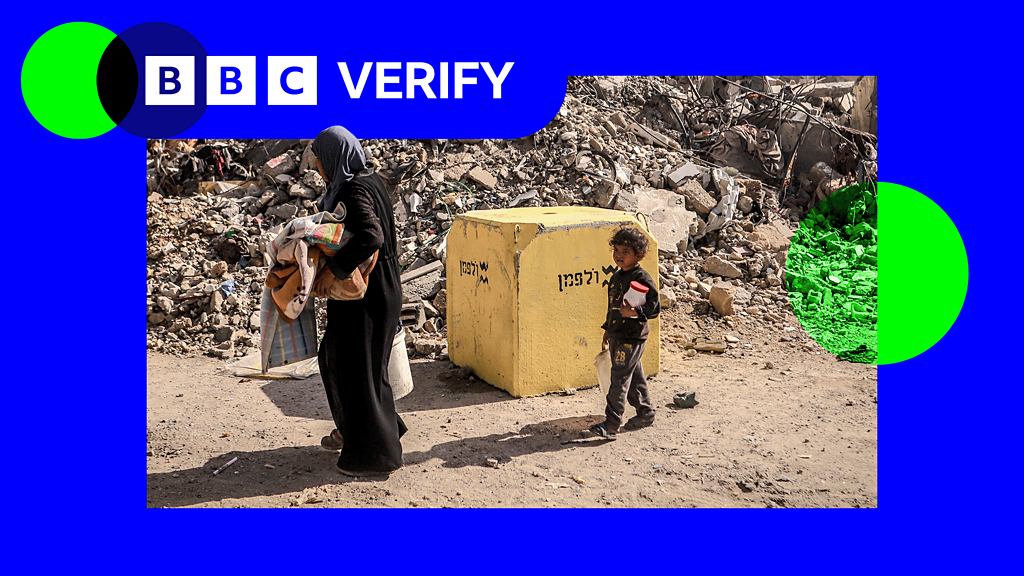
The Israeli military’s ongoing operations in Gaza are not just a response to immediate threats; they hint at a deeper strategy aimed at establishing a sustained presence in the region. As the situation evolves, various analysts argue that this approach may reshape the geopolitical landscape of the area for years to come.
The Implications of a Permanent Military Presence
The notion of a permanent military presence in Gaza raises significant questions about regional stability. Historically, prolonged military interventions have often led to increased friction between communities and heightened tensions. With Israel’s intensified military activities, the potential for long-term consequences, including shifts in power dynamics and human displacement, cannot be overlooked. Experts warn that if this strategy continues, it could solidify divisions between different factions, ultimately complicating future peace efforts.
Impact on Civilians in Gaza
The civilians in Gaza bear the brunt of military actions. As operations ramp up, reports indicate a surge in humanitarian crises, with limited access to crucial resources such as clean water, medical supplies, and shelter. A sustained military presence may further exacerbate these challenges, perpetuating the cycle of suffering and hardship for ordinary citizens. International humanitarian organizations are raising alarms about potential violations of human rights and the need for urgent intervention to alleviate these pressing conditions.
Potential Responses from the International Community
The international community’s response to Israel’s military strategies will play a crucial role in shaping the future of Gaza. Global powers and organizations must navigate a complex web of diplomatic relations while advocating for human rights and stability. As tensions flare, calls for dialogue and negotiation will become increasingly vital. Inaction could lead to a worsening humanitarian situation, leaving global leaders to grapple with the moral imperative to act responsibly while considering national interests.
The Road Ahead: Diplomatic Solutions
Looking forward, finding diplomatic solutions will be essential for ensuring lasting peace. Collaborative approaches involving multiple stakeholders, including regional powers and international organizations, could help foster an environment conducive to negotiations. Efforts to engage with both Israeli leadership and Palestinian representatives will be necessary to create a comprehensive dialogue centered on mutual interests and long-term stability. As the complexities of the situation unfold, it becomes clear that sustainable peace will require innovative strategies that prioritize dialogue over military might.
In summary, the Israeli military’s current activities in Gaza signal a potential shift towards a more entrenched presence in the region. This shift raises pressing questions about humanitarian impacts and international responses. Moving forward, diplomatic engagement and a focus on humanitarian concerns will be critical to avoiding further escalation and fostering a more peaceful future for all involved.