
India’s Military Support and Human Rights Concerns
India’s collaboration with Israeli defense firms has come under scrutiny as Amnesty International reports that the country has supplied thousands of military components to these companies. The ongoing humanitarian crisis in Palestine raises serious ethical questions about India’s role and its implications for international human rights standards.
Military Collaboration and Human Rights Violations
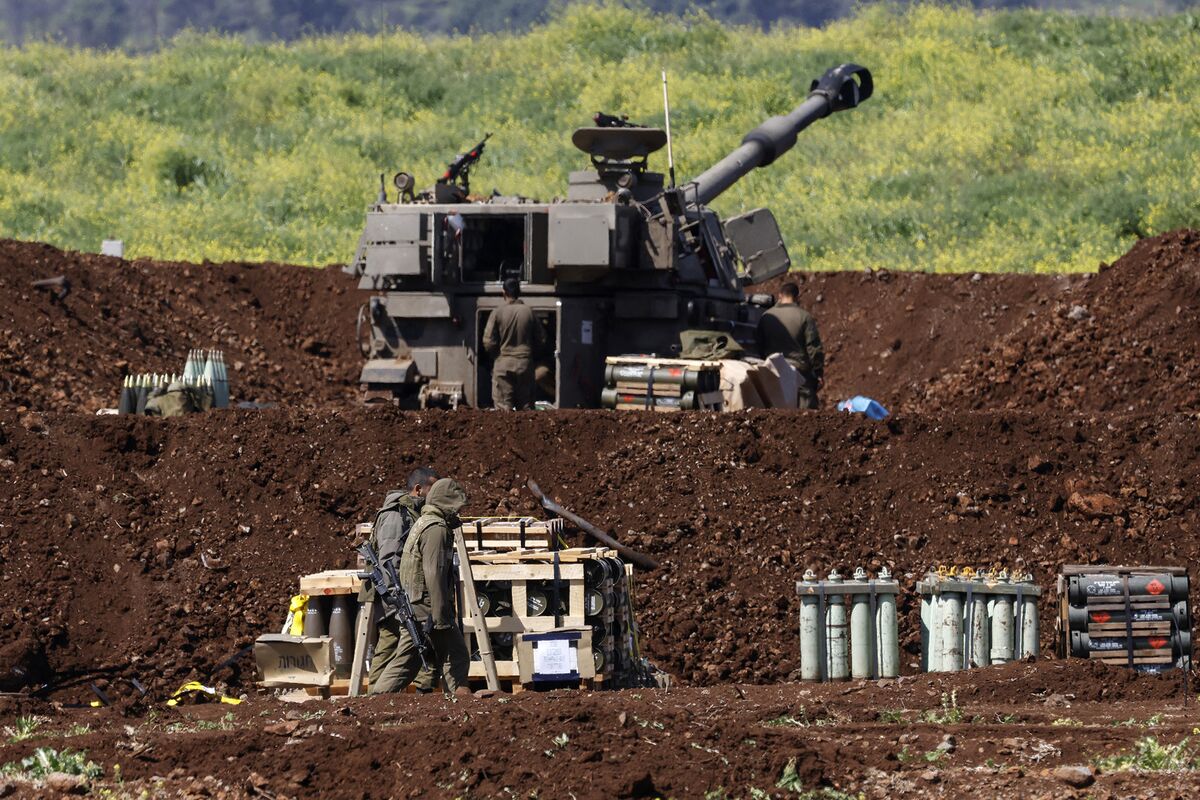
The report emphasizes that these military components from India have been integral to Israeli companies that provide armaments and other supplies to the Israeli military. Amnesty International has voiced strong concerns that such support might inadvertently contribute to the ongoing violence against Palestinians, which the organization characterizes as genocidal in nature. The humanitarian implications of these supply arrangements highlight a significant moral dilemma for India’s government, which is trying to balance its strategic military partnerships with adherence to international human rights agreements.
India’s Strategic Interests
India has long maintained a complex relationship with Israel, particularly in the fields of defense and technology. This partnership aims to enhance India’s military capabilities and security infrastructure. However, the geopolitical landscape is complicated. Critics argue that the sale of military components undermines India’s standing in the global community, especially among countries advocating for human rights. By supplying military parts to entities implicated in human rights violations, India risks alienating its allies and damaging its international reputation.
The Ethical Dilemma of Arms Trade
The ethical considerations surrounding arms trade are particularly magnified in this scenario, as Amnesty International has highlighted the role of military hardware in the suffering of innocent civilians. The definition of complicity in human rights violations is becoming increasingly complex in an interconnected world where arms manufacturers and suppliers may not be directly involved in the operational usage of their products. Nonetheless, the responsibility lies with nations to scrutinize their military engagements and ensure that their actions do not support oppression.
Call for Accountability and Transparency
Civil society and human rights organizations are calling for greater transparency and accountability regarding military exports. There is a growing demand for comprehensive assessments of how such arms deals impact human rights in conflict zones. As India continues to supply military parts to Israel, there should be a robust discussion at both national and international levels regarding the moral implications of such actions. Policymakers need to consider the long-term repercussions of military support on global stability and humanitarian conditions, especially in conflict-ridden areas like Palestine.
In summary, India’s involvement in supplying military components to Israel raises crucial ethical and humanitarian questions. While it aims to bolster its defense capabilities, the implications for human rights and international law cannot be overlooked. As the situation in Palestine remains dire, it is vital for India and other nations engaged in arms trades to re-evaluate their policies and consider the broader consequences of their actions on both global peace and local populations.