
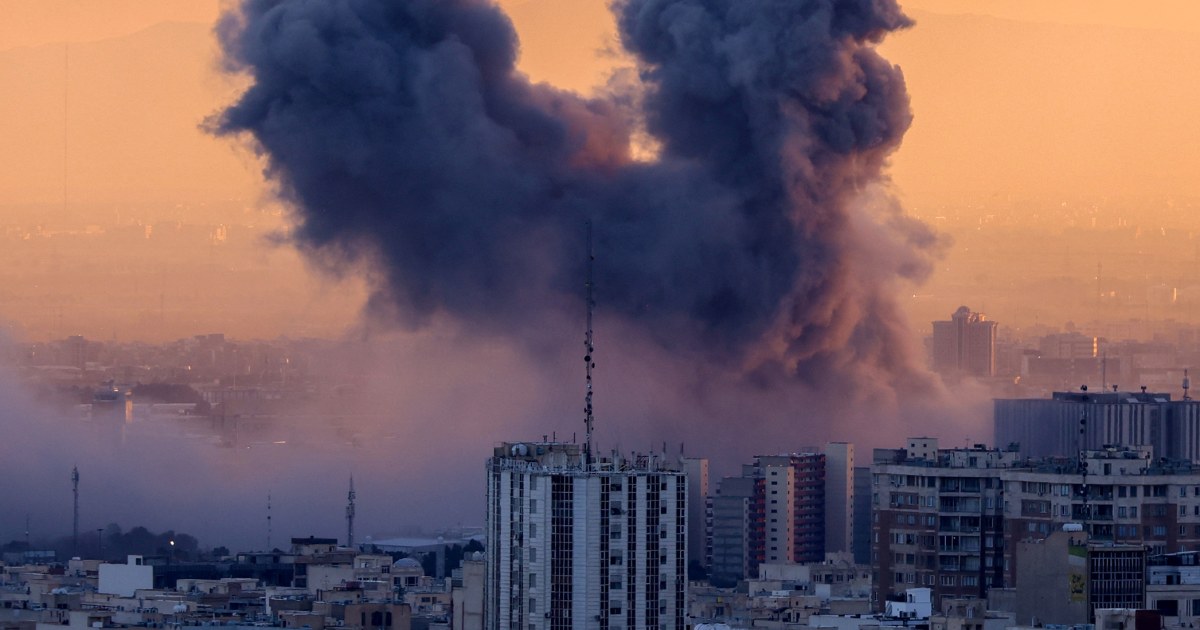
Iran is significantly improving its defense capabilities and enhancing its airstrike precision, largely due to advanced Russian satellite surveillance and signals intelligence. This development raises concerns about the implications for regional security and the balance of power in the Middle East.
Impact of Russian Support
The partnership between Iran and Russia has taken on increasing importance amid rising tensions in the region. With enhanced satellite surveillance, Iran can closely monitor U.S. military movements and other key activities. This insight provides Iran with a crucial edge, enabling it to bolster its defenses and formulate more effective countermeasures against potential strikes. As these technologies evolve, Iran is not just shielding itself but is also working on improving its offensive capabilities.
Strategic Response to External Threats
Iran’s military strategy is deeply influenced by its need to defend against external threats, particularly from the United States. By utilizing advanced intelligence gathered via Russian satellites, Iran is refining its air defense systems, thus making it more resilient against any airstrikes. This strategic enhancement allows Iran to assess threats in real time and respond more adeptly, thereby creating a more dynamic and reactive defense posture. Analysts point out that this partnership not only strengthens Iran’s military front but complicates the operational landscape for U.S. forces in the region.
Future Ramifications for U.S. Military Operations
The evolution of Iran’s military capabilities, aided by Russian technology, poses significant challenges for U.S. military operations in the Middle East. As Iran becomes more adept at defending its territory and launching precision attacks, the potential for conflict escalation grows. This development necessitates a careful reassessment of U.S. strategies and operational tactics, as traditional assumptions about air superiority and intelligence dominance may no longer hold. Additionally, the ability to counter Iran’s enhanced capabilities will require innovative approaches in warfare and defense.
Regional Stability and Security Dynamics
The enhancement of Iranian military capabilities directly impacts the broader stability of the Middle East. As Iran continues to develop its ability to both defend and attack, neighboring countries may feel increasingly threatened, which could lead to an arms race in the region. Furthermore, these dynamics might compel various nations to reconsider their alliances and partnerships, influencing geopolitical relationships on a much larger scale. As regional hostilities persist, the involvement of external powers like Russia will likely further reshape the security landscape.
In conclusion, the growing collaboration between Iran and Russia has far-reaching implications for both regional and global security. As Iran’s military capabilities evolve, the United States and its allies must navigate an increasingly complex and challenging environment. Developing effective strategies to counterbalance these advancements will be crucial to maintaining stability and minimizing conflicts in the Middle East.