
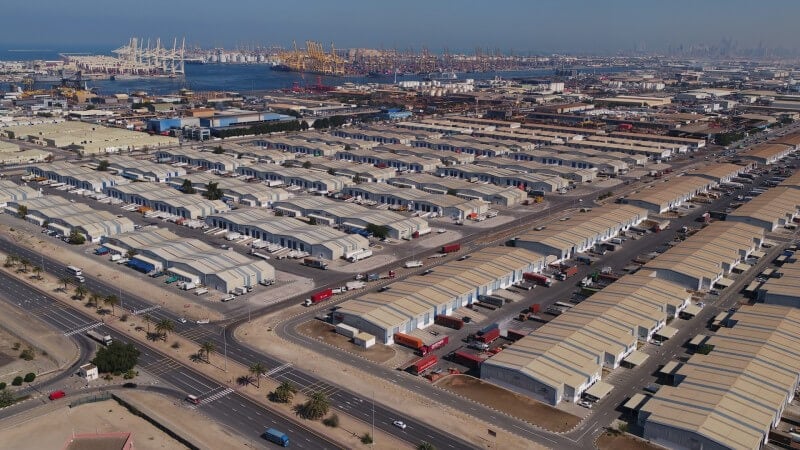
The recent outbreak of conflict in the Gulf has significantly impacted trade between the United Arab Emirates (UAE) and Iran, a relationship that has been crucial for the economic growth of the Emirates over the past few decades. Historically, the UAE has served as a major conduit for Iranian trade, facilitating a large portion of Iran’s economic interactions with the global community.
The Historical Trade Relationship Between UAE and Iran
Since the late 1970s, the UAE has positioned itself as a focal point for import and export activities with Iran. Remarkably, prior to the recent conflicts, around 90% of Iran’s trade flowed through DP World’s expansive container terminal at Jebel Ali. From this strategic hub, global shipping lines transferred goods to smaller vessels that serviced various Iranian ports. This relationship was immensely beneficial for DP World, contributing significantly to the revenue of the Dubai government and catalyzing the rapid economic development of the Emirate. Similarly, Emirates Airline has also thrived by connecting Iran-based expatriates with international destinations, showcasing the undeniable interdependence between the Iranian and Emirati economies.
Economic Resilience in Times of Conflict
Despite the ongoing tensions, a level of trade has resumed across the Gulf, illustrating the resilience of commercial interests in the Emirates. According to Kpler analyst Rebecca Gerdes, there was a significant uptick in container traffic in July, with over 60 ships navigating the waters between the UAE and Iran, in stark contrast to the mere 10 in June. The daily average of container liners traversing the Jebel Ali and Bandar Abbas route indicates a renewed commitment to maintain economic ties, even amidst adversities. This cross-Gulf trade primarily involves essential goods such as food and medicine, which are crucial for Iran’s population during this challenging period.
Challenges and Adaptive Strategies
The ongoing conflict has shifted the dynamics of trade routes, as Jebel Ali is currently dependent on land-based supply lines from various neighboring ports, including Fujairah and Sohar. While these routes are longer and less efficient, they have proven necessary for maintaining a baseline level of trade between the UAE and Iran. Notably, everyday items such as fresh fruits and vegetables available in Dubai supermarkets continue to largely come from Iran, underscoring the ongoing interdependence of these two nations despite political tensions.
The Future of Gulf Integration
Amidst this complex backdrop, Oman’s Foreign Minister has called for a new security framework in the Gulf. Emphasizing the need for de-escalation and cooperation, he argues that Iran should be integrated into a shared legal and practical structure with the other Gulf states. Although there is already some degree of economic collaboration, significant barriers remain, particularly due to Iran’s reluctance to adhere to established international agreements and protocols, such as UNCLOS and the Non-Proliferation Treaty.
In conclusion, while the war in the Gulf poses significant challenges to the UAE-Iran trade relationship, both nations continue to navigate these complexities, finding ways to sustain their economic ties. The evolution of trade routes and the recurrent calls for enhanced security frameworks suggest that, even in turbulent times, there remains a strong underlying motivation for collaboration and mutual benefit within the region’s economies.