
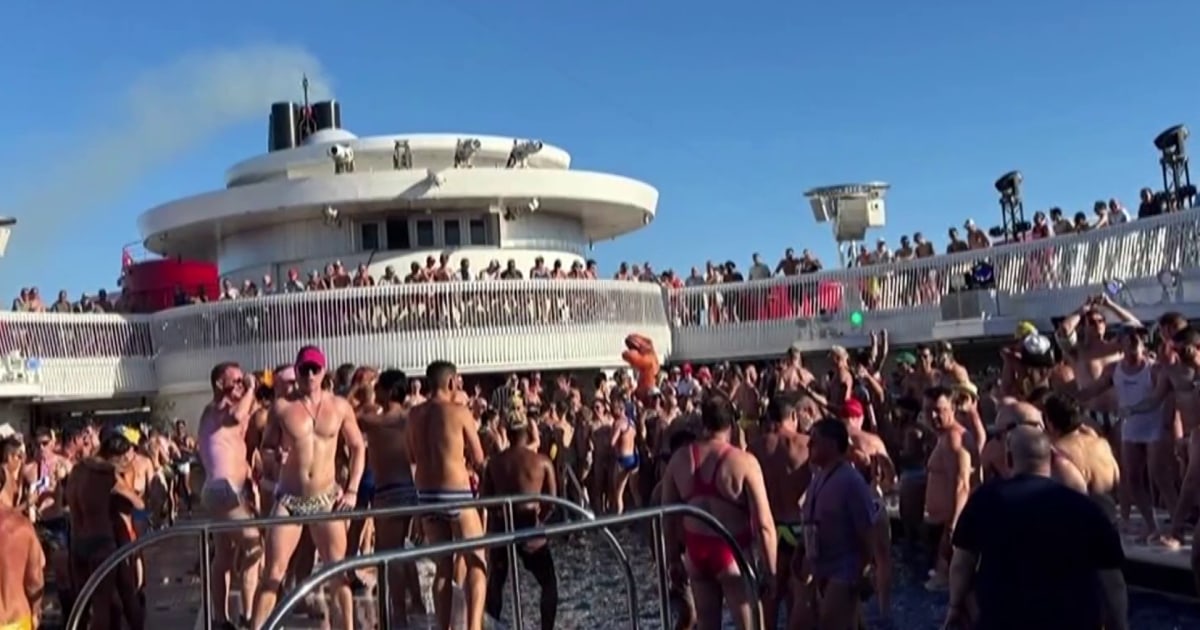
The recent denial of docking rights for a gay cruise in Turkey and Egypt is raising eyebrows. This incident not only reveals the ongoing challenges faced by the LGBTQ+ community but also sparks discussions about the economic implications of such actions in a thriving tourism market. As the LGBTQ+ tourism sector expands, countries that restrict such events could face financial repercussions.
The Impact of LGBTQ+ Tourism on Global Economies
The global tourism industry has seen a significant uptick in LGBTQ+ travelers, projected to reach nearly $200 billion annually. This growing demographic represents an essential and lucrative market segment that countries can no longer afford to overlook. By blocking events like gay cruises, nations risk isolating themselves from a vital revenue source. This move ultimately challenges both local economies and the broader tourism landscape, where inclusivity is increasingly becoming a selling point.
From iconic Pride festivals to LGBTQ+ cruises, these events foster community and celebration while simultaneously driving significant economic boosts to the host locations. When countries reject these opportunities, they not only alienate potential tourists but can also deter investment from businesses sensitive to human rights and inclusivity issues.
Destination Choices and LGBTQ+ Inclusivity
Travelers are more discerning than ever about their destinations. Many now prefer locations that openly embrace LGBTQ+ communities and offer welcoming environments. A recent survey indicated that 68% of LGBTQ+ travelers chose destinations based on inclusive policies. As a result, countries like Spain and Canada, which have made substantial progress in LGBTQ+ rights, are popular choices for travel.
Conversely, nations that display discriminatory behavior risk their reputations in the global tourism market. Negative publicity can spread quickly, leading potential visitors to opt for other destinations that provide a more welcoming atmosphere. Thus, by resisting progress, countries not only diminish their appeal but also undermine long-term economic benefits. The budget-friendly nature of cruises makes them particularly attractive to many travelers in the LGBTQ+ community, making blockage all the more problematic.
The Balance of Tradition and Modernity
Countries grappling with traditional values face a considerable challenge in catering to a progressive tourism market. Governments often walk a fine line when it comes to addressing social changes while preserving national identity. As societies evolve, so must policies around tourism and inclusivity.
This situation presents both challenges and opportunities. Nations embracing change can experience significant advantages, including economic benefits and improved international relations. By contrast, those resisting these shifts risk falling behind in a competitive global marketplace. As awareness grows and advocacy increases for human rights, nations must decide whether to adapt or risk languishing in outdated ideologies that could hinder economic growth.
In conclusion, the incident involving the blocked cruise is a critical reflection of the broader implications of LGBTQ+ rights on tourism and economy. It serves as a reminder that inclusivity should not merely be seen as a social issue but a vital economic strategy as well. Countries must acknowledge and embrace this shift to engage the lucrative LGBTQ+ market effectively.