
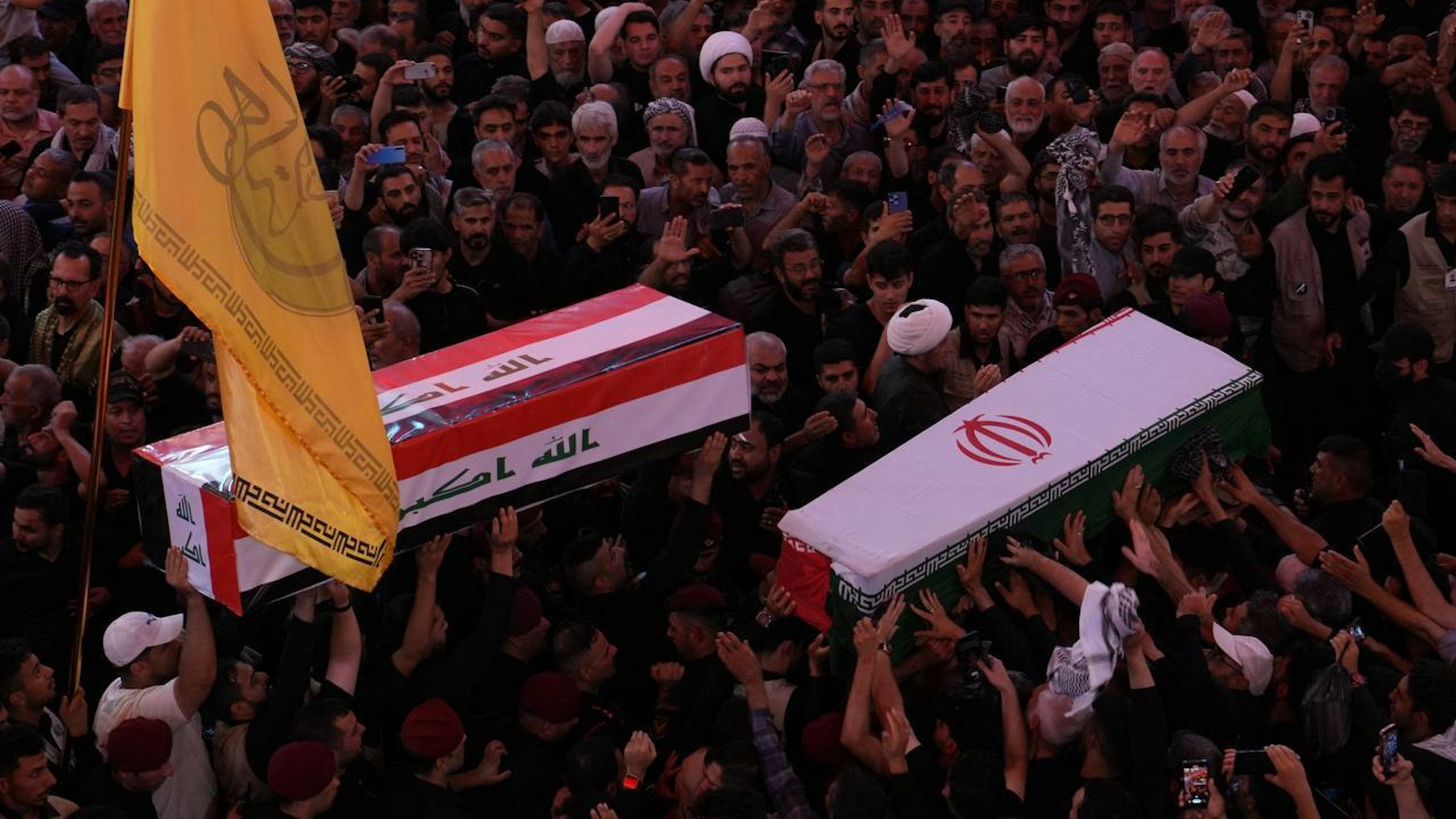
In a significant turn of events in the Middle East, recent airstrikes conducted by Saudi Arabia and the United States have intensified regional tensions. This marked the first public collaboration between Riyadh and Washington in targeting Iran-affiliated groups within Iraq. The strikes, which took place on July 29, reportedly resulted in the deaths of approximately 20 combatants, including members of the Islamic Revolutionary Guard Corps (IRGC) and a fighter linked to Yemen’s Ansarullah movement, also known as the Houthis.
The Context of the Strikes
The joint military operation underscores the escalating conflict among regional powers, particularly as Saudi Arabia and the U.S. take more assertive actions against Iranian influence in Iraq. The airstrikes specifically targeted Popular Mobilization Units (PMUs), which are known for their strong ties to Iran. This aggressive stance reflects a clear commitment by both Riyadh and Washington to counter the growing presence of Iranian-affiliated forces in the Middle East.
Compounding the situation is the evident presence of various Iran-aligned groups within Iraq, including factions that are integral to the so-called “Axis of Resistance.” This coalition has been perceived as a strategic challenge to U.S. interests and allies in the region. As tensions simmer, joint operations like these indicate a willingness from Saudi Arabia to engage militarily in the complex sectarian conflicts that define the Middle East landscape.
The Impact on Regional Stability
The implications of these airstrikes are profound. The involvement of U.S. and Saudi forces threatens to exacerbate an already volatile security environment in Iraq, where numerous paramilitary groups operate. Besides the immediate casualties, such military actions can lead to widespread retaliatory attacks by Iran-aligned factions against both U.S. and Saudi interests in the region. This retaliatory dynamic could potentially draw in additional actors into the conflict, further destabilizing the area.
Furthermore, these strikes disrupt the delicate balance of power already challenged by various geopolitical interests, forcing neighboring countries to respond strategically. Countries such as Iran may amplify their support of local militias or commit additional resources to counteract perceived threats from Saudi Arabia and the U.S. The risk for larger scale confrontations increases as the cycle of violence perpetuates.
The Way Forward
Addressing the tensions triggered by these recent developments requires a comprehensive diplomatic approach. Stakeholders in the Middle East, including the Western powers, need to engage in dialogues aimed at de-escalation. It is critical for all parties involved to recognize the long-term ramifications of continued military operations, which may not yield sustainable security outcomes.
Looking ahead, cooperation in intelligence sharing, alongside diplomatic strategies that address underlying grievances, can foster a more stable environment. Reaffirming the commitments to sovereignty and non-interference can also play a pivotal role in reducing hostilities. The situation remains fluid, and the global community continues to underscore the necessity for peace and resolution strategies that prioritize dialogue over military action.