
The ongoing tensions in the Middle East have reached a critical juncture, with the United States, Kuwait, Israel, and Iran all taking significant military actions. In light of recent developments, this article delves into the situations unfolding in these key areas, highlighting the strained relationships and geopolitical maneuvers at play.
U.S. Military Threats Toward Iran
In a press briefing at Camp David, President Donald Trump expressed a resolute stance regarding the ongoing conflict with Iran. He emphasized a commitment to “win” against Iran, indicating that military actions are far from over. Trump threatened to impose severe repercussions on Iran, suggesting that U.S. operations will intensify until a substantial change occurs. White House press secretary Karoline Leavitt reiterated Trump’s sentiments, pointing to Iran’s recent violations of a truce agreement as a catalyst for renewed U.S. military engagement. The administration views Iran’s actions—attacking commercial vessels and harming American troops—as unacceptable and a direct challenge to U.S. authority. Trump’s administration aims to push Iran back to the negotiating table, emphasizing that aggressive measures will continue until a meaningful resolution is achieved.
Drone Attacks and Regional Repercussions
Kuwait found itself responding to a series of drone attacks attributed to Iran, marking a troubling escalation in hostilities. Kuwait’s military confirmed that these drones targeted key infrastructure, including government facilities, yet reported no casualties. In conjunction with this, the British Navy reported incidents involving tankers in the Strait of Hormuz, a vital shipping route susceptible to Iran’s strategic military maneuvers. An explosion damaged one vessel’s engine room, showcasing the ongoing danger that maritime shipping faces in this region. The U.S.-Iran conflict continues to reverberate beyond borders, affecting international trade routes and raising alarms about stability in a geopolitically volatile area.
Israeli Strikes Against Gaza Following Hamas Disarmament Announcements
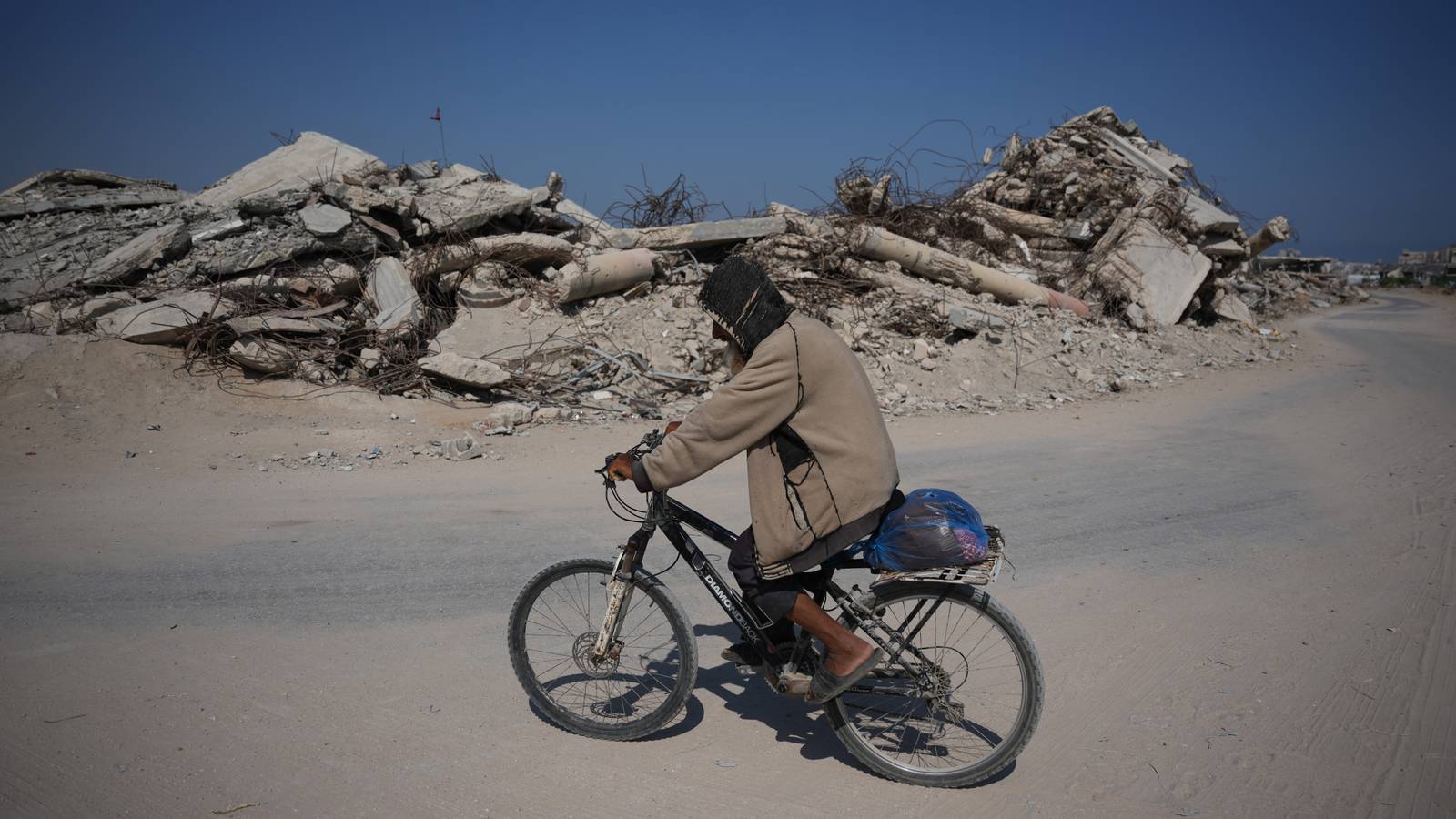
Amidst the tumult in the region, Israel launched significant military strikes in Gaza, reportedly killing several individuals and injuring many more. These actions follow Hamas’s recent announcement regarding their intention to disarm—a potential step toward de-escalating hostilities in the area. Despite this announcement, it appears that Israeli forces are continuing aggressive operations, with no official comment from Israel regarding the disarmament deal facilitated by the U.S. Under this agreement, Hamas would relinquish its armed presence, paving the way for a stable political environment in the region. Nevertheless, Israeli lawmakers have vocalized opposition to such negotiations, asserting that military actions must persist until a definitive victory is achieved. This contradiction highlights the complexities involved in peace negotiations and underscores the turbulent nature of Israeli-Palestinian relations.
Additional Developments and Regional Tensions
Meanwhile, Houthi rebels have imposed a blockade affecting Saudi shipping routes, forcing several vessels to divert around Africa instead of passing through the Bab el-Mandeb strait. This blockade reflects the ongoing tensions between proxy groups backed by Iran and Saudi Arabia, further complicating an already intricate regional conflict. Additionally, Israeli military operations have targeted Hezbollah’s networks in southern Lebanon, adding yet another layer of complexity to the geopolitical landscape. Israel’s destruction of underground tunnels and its ongoing negotiations with Lebanese representatives underscore a broader struggle for stability in the region.
Amid these developments, the Middle East remains in a state of flux influenced by military actions, diplomatic discussions, and power struggles among global and regional powers. As countries maneuver through this complex geopolitical framework, the potential for escalation remains high. Monitoring these developments is essential for understanding the future trajectory of peace and stability in the region.