
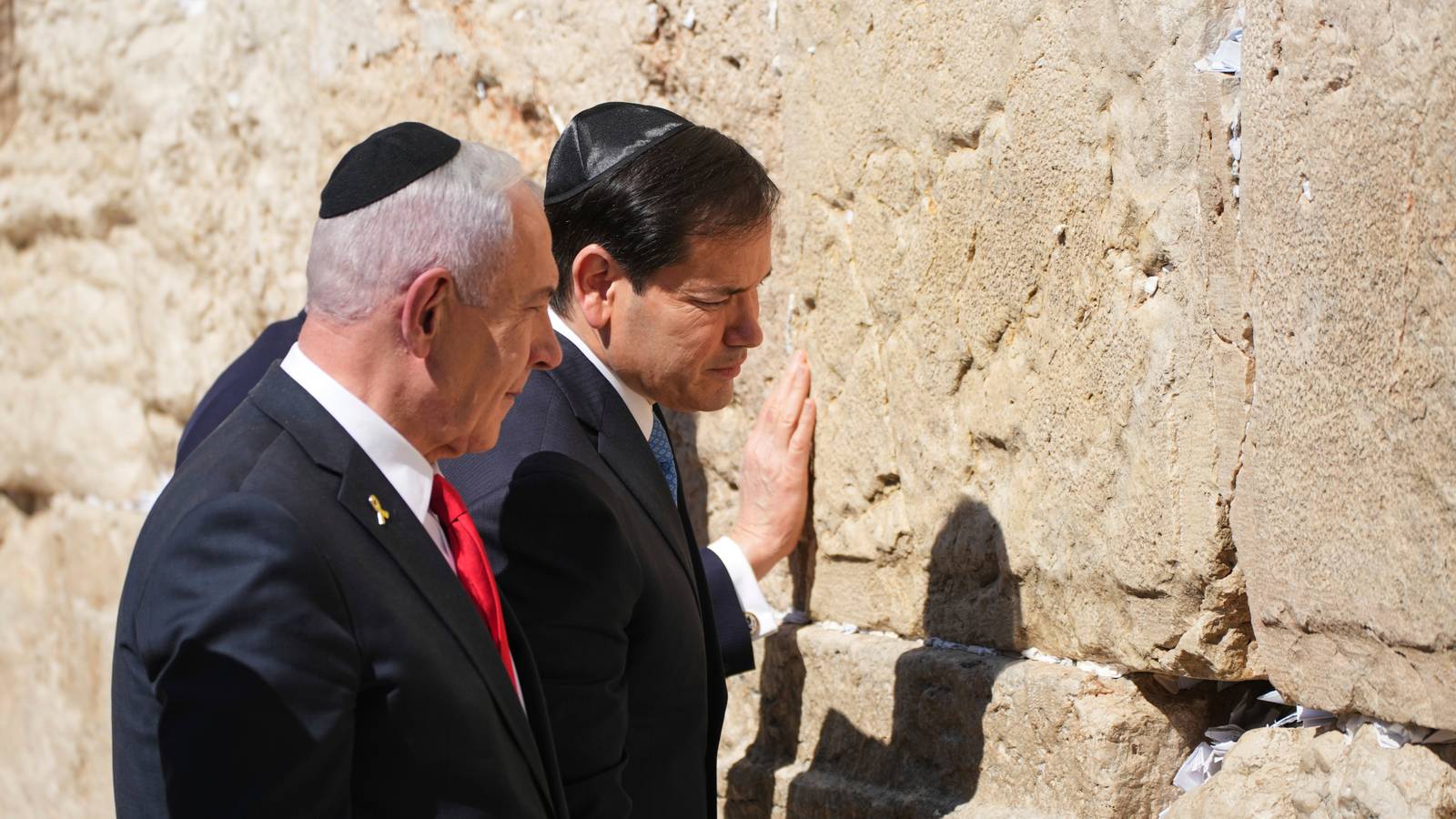
Secretary of State Marco Rubio has launched a campaign against the International Criminal Court (ICC), positioning it as a defense of American sovereignty and the safety of U.S. service members. This initiative raises significant questions about the implications of U.S. foreign policy and international law, particularly as it pertains to the ongoing legal actions against certain foreign officials.
Understanding Rubio’s Campaign Against the ICC
In July, Rubio declared that the administration would systematically dismantle the ICC, describing the approach as a “brick by brick” campaign. This plan includes diplomatic efforts to encourage countries that contribute financially to the court to withdraw their support. The initiative also encompasses financial sanctions and travel restrictions on ICC officials and those aiding investigations involving Americans or citizens from allied nations. While Rubin claimed that five countries have stated their intention to leave the ICC, such withdrawal does not take immediate effect due to a stipulated one-year waiting period outlined in Article 127 of the Rome Statute. This article ensures that a withdrawal does not absolve responsibilities or nullify ongoing judicial processes that began while the country was still a member.
Despite the administration’s efforts, it is important to note that the ICC’s jurisdiction operates independently of the political machinations of member states. The court may prosecute individuals for crimes committed within a member state’s borders, or if the accused is a citizen of a member state. Non-member states can also accept the court’s jurisdiction for specific crimes or periods, as evidenced by the State of Palestine’s dual acceptance of ICC jurisdiction.
How ICC Jurisdiction Functions
The ICC primarily processes cases against individuals, not governments. It can act when crimes are committed on the territory of a member state, by citizens of a member state, or if referred by the U.N. Security Council. A notable instance is how the ICC has jurisdiction over alleged crimes in the occupied Palestinian territories despite existing disputes between Israel and Palestine regarding the court’s authority. In fact, the ICC recently issued warrants for Israeli officials, including Prime Minister Netanyahu, based on allegations of war crimes. Israel contests both the allegations and the court’s jurisdiction, highlighting the complexities of international law.
Moreover, even though the ICC has the legal authority to issue arrest warrants, they do not imply that the court will automatically intervene. The principle of “complementarity” grants national courts precedence in prosecuting a case. For the ICC to step in, it must find that national legal systems are unable or unwilling to adequately conduct investigations. This balancing act underscores the ICC’s cautious approach, further complicating the narrative presented by Rubio’s administration.
International Law and U.S. Interests
Rubio’s efforts to undermine the ICC reflect a broader inconsistency in U.S. policy regarding international law. Historically, the U.S. has invoked international law to justify various military actions against its adversaries while simultaneously opposing legal mechanisms when they threaten allies or American interests. For instance, while the U.S. presses Iran to comply with the Nuclear Non-Proliferation Treaty, its commitment to international law appears selective, particularly when the ICC has warranted actions against U.S. allies.
This perceived hypocrisy raises questions about the true motivations behind current U.S. policy. By opposing the ICC’s actions against certain officials, the administration risks appearing less focused on justice and accountability and more intent on protecting specific actors from facing legal consequences.
The Future of ICC Jurisdiction and U.S. Relations
The path forward is uncertain, especially after Trump’s tenure. Future administrations have the latitude to revise or reverse current policies, including the campaigns against the ICC. Trump’s current sanctions against the court’s judges do not guarantee permanent immunity for individuals like Netanyahu or Gallant. If they travel to a country that cooperates with the ICC, they could still be arrested under active warrants.
It is crucial to remember that Article 27 of the Rome Statute holds that a person’s official position does not exempt them from the court’s jurisdiction. Therefore, while the present campaign may obstruct legal accountability for some time, it does not ensure ongoing protection. The effectiveness of Rubio’s initiative thus prompts a broader debate regarding the implications of U.S. sovereignty as it intersects with international legal obligations, a topic that will remain pivotal in global discussions for years to come.