
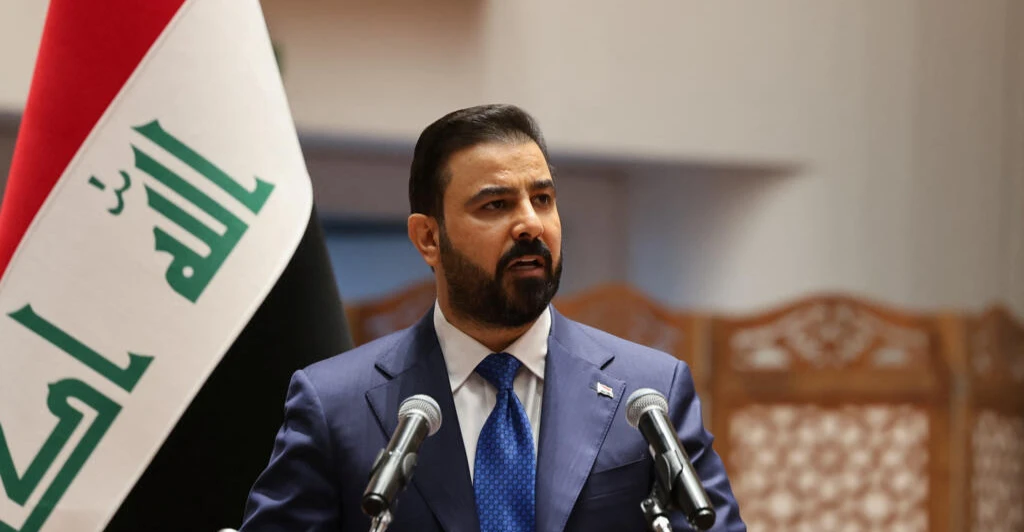
Iraqi Prime Minister and Commander-in-Chief Ali Faleh Al-Zaidi has issued a directive to heighten alert and readiness across all military installations. This announcement was confirmed by Sabah Al-Numan, the spokesperson for the Commander-in-Chief, emphasizing the importance of preventive measures to safeguard the country.
Military Preparedness in Response to Regional Tensions
The decision comes in the wake of recent hostilities, particularly in the context of ongoing U.S. and Saudi military actions in Iraq. On July 29, coalition forces targeted sites affiliated with the Popular Mobilization Forces (PMF), claiming involvement in attempted drone attacks on U.S. and Saudi facilities. According to the PMF, these strikes resulted in the fatalities of 20 members and injuries to 32 others, highlighting the escalating tensions in the region.
Iraq’s National Security Council condemned the airstrikes, labeling them as violations of national sovereignty. They have subsequently approved a robust security strategy aimed at preventing further infringements on Iraq’s airspace and defense. Furthermore, the Iraqi government has denied any prior knowledge of the air operations, indicating the complexities of external military influence within its borders.
Reactions to Heightened Military Alert
While the government has not explicitly connected the rise in military readiness to the recent strikes, the timing raises questions about potential threats or incidents that necessitate such a response. There has been no detailed explanation as to whether this alert is driven by specific intelligence or concerns regarding further incursions. The lack of clarity from officials regarding the duration of this heightened state of alert is also noteworthy.
The Iraqi populace is left to ponder the ramifications of these developments. The government’s response to external aggression, especially from allied forces, poses a challenging balancing act between ensuring national security and maintaining diplomatic relations. Citizens are urged to remain vigilant as the situation unfolds, particularly given the historical complexities that surround military engagement in the region.
Implications for Iraqi Security Policy
Going forward, this situation may compel Iraq to reassess its security and foreign policy strategies. It brings forth pressing discussions surrounding sovereignty, defense collaboration with foreign nations, and the need for an independent and robust military framework. Such actions from foreign powers not only threaten immediate security but also raise broader concerns regarding Iraq’s autonomy on the international stage.
In this context, Iraq has initiated discussions about enforcing a comprehensive security plan designed to counteract future violations. This aims to reassure both the domestic audience and the international community that Iraq maintains sovereignty over its territory. Continued diplomatic efforts may also be necessary to address underlying tensions with regional powers and strengthen Iraq’s position globally.
The current military readiness marks a significant moment in Iraq’s ongoing struggle to navigate external pressures. As this situation continues to develop, it underscores the delicate balance that Iraq must maintain to ensure its safety while fostering stable international relations.