
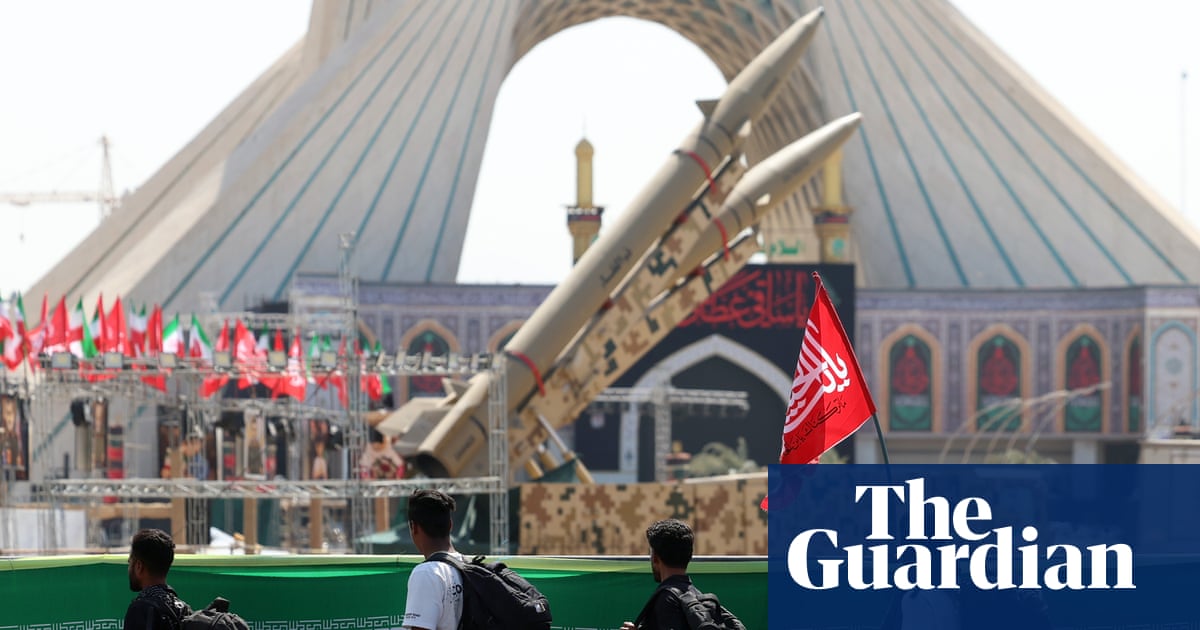
Donald Trump announced on Saturday that the United States would refrain from launching any new attacks on Iran, contingent upon a rapid resolution to the ongoing conflict. This announcement marks a significant shift from his earlier, more aggressive stance against the Tehran regime.
Concerns from Saudi Arabia
Reports indicate that Saudi Crown Prince Mohammed bin Salman reached out to Trump to express his apprehensions regarding the planned strikes. Bin Salman is said to have urged Trump to de-escalate the situation, emphasizing the potential dangers of armed confrontations. Iran had previously warned that any U.S. military actions could trigger serious repercussions, not only against American interests but also against neighboring countries such as Saudi Arabia and Kuwait. Following several alarming incidents, including drone attacks attributed to Iran and assaults on maritime vessels near Oman, the veil of tension thickens.
Strategic Implications and Regional Stability
Insiders familiar with the discussions between Trump and the crown prince conveyed that Saudi Arabia is particularly concerned about retaliatory strikes on its energy sector. The Associated Press highlighted that both nations are now more inclined to pursue diplomatic avenues rather than military ones. King Salman of Saudi Arabia, aligned with U.S. interests, has joined forces against Iranian-backed militias, marking a significant escalatory step. However, there seems to be a collective push, including from Saudi leadership, advocating for negotiations instead of warfare.
Iran’s Resilient Posturing
In response to any prospective U.S. actions or regional collaborations in military operations, Iran has firmly warned of a decisive retaliation. Iranian Foreign Minister Abbas Araqchi communicated this message to key regional allies, asserting that attacks on Iranian interests would trigger equivalent responses targeting oilfields in nearby nations. Both the Kuwaiti military and maritime operation boards reported incidents suggesting imminent threats, further amplifying the urgency for diplomatic dialogue.
The Way Forward
Trump, speaking in a dramatic tone, mentioned that while the U.S. stands ready to act with unprecedented military capability, there has been a clear request from Iran and other Middle Eastern nations to pause any potential offensive actions. He stated that negotiations should include the immediate and unrestricted access to the critical Hormuz Strait and a concerted effort to neutralize Iran’s nuclear ambitions. While he claims to have the support of Israel, the Netanyahu administration has been cautious and has previously distanced itself from any unilateral proposals made by Trump, indicating a complex diplomatic landscape ahead.
In essence, the geopolitical environment surrounding Iran remains tumultuous yet fluid, as various stakeholders grapple with the implications of potential military engagement. Both U.S. and regional leaders seem increasingly aware of the urgency for dialogue, suggesting that the focus may shift away from military actions towards negotiations aimed at lasting stability in the region.