
Iraq’s challenges have endured long after the 2003 invasion by a U.S.-led coalition. With more than twenty years since that pivotal event, the nation continues to grapple with significant political, security, and economic obstacles that hinder its ability to function as a stable state. Understanding the complexities of Iraq’s post-invasion landscape is crucial for evaluating its ongoing struggles and future prospects.
The Emergence of Political Factions
In the political vacuum that followed the U.S. invasion, two powerful factions emerged: the Shiite majority, which comprises about 60% of the population, and the Kurdish autonomous administration in the north. This evolving dynamic reshaped Iraq’s political landscape and contributed to its fragmented governance. Although initially the U.S. and Iran had a somewhat cooperative relationship, over time, Iraq’s new political order increasingly fell under Iran’s influence, complicating the situation further.
During the occupation, Iran did not strive to assist Iraq in stabilizing; instead, it aimed to maintain a new order favorable to its interests. Meanwhile, the U.S. and its allies focused on specific military objectives, particularly the control of oil-producing regions. Their withdrawal was considerably swift, resulting in a limited American military presence relative to the intense opposition from Sunni insurgent groups and Iranian-backed militias. The toll of this ongoing conflict included approximately 4,200 U.S. soldiers killed and nearly 36,000 wounded, creating lasting ramifications for both American and Iraqi society.
The Rise and Fall of Daesh
The Syrian civil war instigated the ascendance of the Daesh terrorist group, which swiftly captured key Iraqi cities. Ironically, in this battle against a common enemy, the U.S., Iran, and Iraqi forces found themselves allied. Ultimately, the liberation of Iraqi cities from Daesh marked a significant milestone in the nation’s journey toward recovery and reconstruction. However, as the U.S. began its gradual withdrawal, the need for enhanced stability became evident, underscoring that economic prosperity would be as vital as security for Iraq’s future.
Recent developments suggest encouraging trends for Iraq’s stability. Notably, the PKK’s operational space is steadily declining due to Türkiye’s initiatives aimed at creating a secure environment. As Syria loses its role as a base for terrorism, Iraq’s security landscape is likely to improve, allowing the Iraqi state to assert its authority more effectively.
The Development Road Project: A Path to Stability
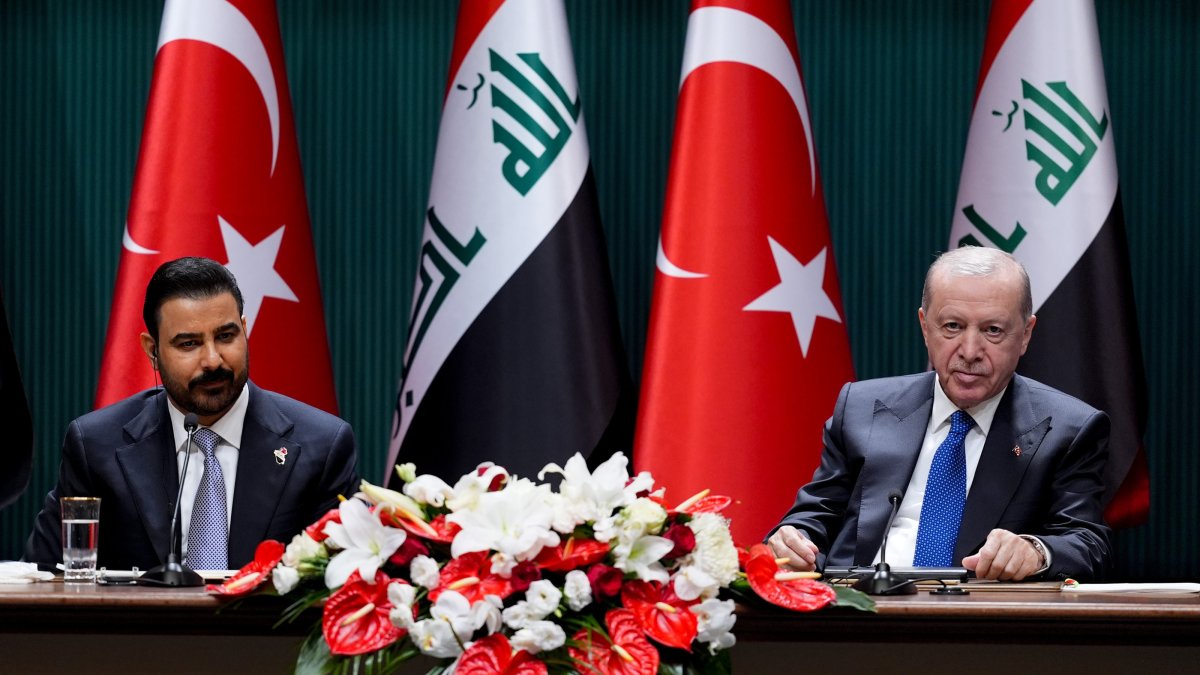
Another essential development is the ambitious Development Road Project. Amid global energy realignments and the disruption caused by crises like those in the Strait of Hormuz, establishing alternative trade routes has become increasingly significant. This initiative is not merely about transport; it represents a strategic endeavor meant to enhance Iraq’s long-term stability. This perspective was echoed during panel discussions in Ankara, where Iraqi officials emphasized their interest in initiatives that connect economic growth with political stability.
Türkiye’s commitment to fostering regional stability is apparent as it seeks to extend its influence beyond its borders. Through cooperative engagement rather than confrontation, Türkiye aims to strengthen peace across the Middle East, including Iraq. Though discussions can reveal differing viewpoints, the Development Road Project stands out as a pivotal initiative with the potential to transform Iraq’s economic landscape in the long run.
In conclusion, Iraq’s future hinges on building robust state institutions, promoting sustainable economic growth, and maintaining regional cooperation. The Development Road Project symbolizes a strategic vision that could solidify Iraq’s stability. With its historical connections and regional expertise, Türkiye is well-positioned to become a vital partner in this endeavor, reinforcing the idea that shared histories and mutual interests can pave the way for progress in the region. If this opportunity is effectively harnessed, the benefits will extend beyond just Türkiye and Iraq, potentially influencing the stability of the entire region.