
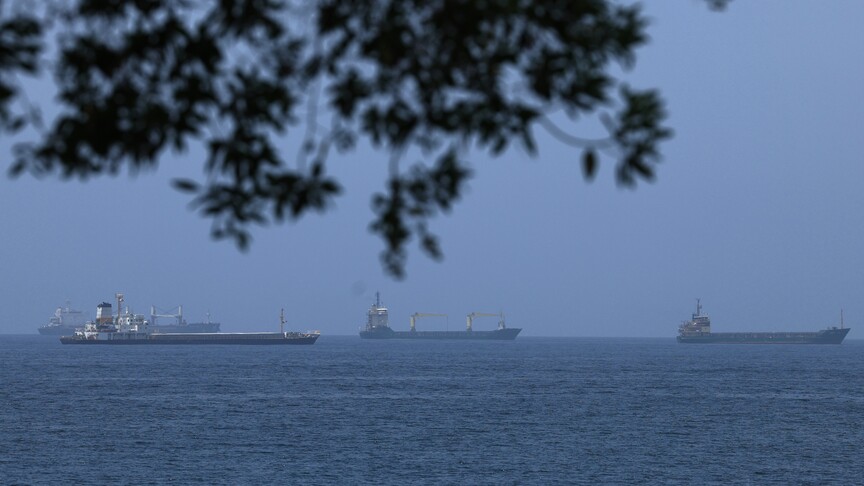
Efforts are underway to renegotiate a crucial agreement between the United States and Iran, with a specific focus on the Strait of Hormuz. As reported by Israeli sources, mediators are actively working to restore a memorandum of understanding that previously aimed to ease tensions between the two nations.
Background on the Proposed Deal
According to Channel 12’s insider accounts, the proposed arrangement seeks to re-establish a ceasefire and maintain an open Strait of Hormuz for a duration of 60 days without any associated fees. Previous agreements have seen the U.S. and Iran commit to a ceasefire in April and subsequently sign a Pakistan-mediated memorandum in June. This understanding was intended to curb military confrontations and pave the way for a sustainable peace agreement.
Recent Escalations in Tensions
However, the situation deteriorated last month, following a series of U.S. bombardments lasting 13 days, which were a response to alleged Iranian attacks on vessels in the strategic Strait of Hormuz. The U.S. administration accused Tehran of orchestrating these assaults, prompting Iran to launch missile and drone attacks targeting Gulf nations that host U.S. military assets. This tit-for-tat escalation rapidly complicated any prospects for peace.
As tensions mounted, Washington made it clear that it demands Iran cease its maritime aggressions and ensure safe navigation through these vital waters. Conversely, Iran has insisted on a framework that allows it to oversee activities within its neighboring maritime zones. The dichotomy between the two nations’ positions adds another layer of complexity to the negotiations.
Political Movements and Statements
In a related development, U.S. President Donald Trump announced over the weekend that he had called off a planned military strike against Iran. This decision came after Tehran and other Middle Eastern countries requested additional time to finalize the framework for a peace deal. Trump indicated that Israel is also involved in these discussions, adding diplomatic weight to the negotiations.
On his social media platform, Truth Social, Trump stated that both sides had reached an agreement on the general outlines of a potential deal. This would reportedly involve the complete and immediate reopening of the Strait of Hormuz, alongside efforts to alleviate concerns regarding Iran’s nuclear ambitions. However, Iranian military officials refuted these claims, labeling them as fabrications.
Responses from Iranian Officials
Despite the optimistic statements from Washington, Iranian sources have dismissed the notion that any agreement for reopening the Strait of Hormuz has been reached. A spokesperson from Iran’s negotiating team reiterated this stance, declaring to the semi-official Fars News Agency that “no agreement has been reached on reopening the Strait of Hormuz.” This denial underscores the fraught and delicate nature of ongoing negotiations between the two nations.
As the situation unfolds, the potential for renewed dialogue between the U.S. and Iran remains uncertain. Stakeholders in both countries will need to navigate complex geopolitical waters as they seek to avoid further conflict and establish a lasting framework for peace. The Strait of Hormuz’s significance in global trade and energy routes makes these discussions critical not just for the nations involved, but for international stability as well.