
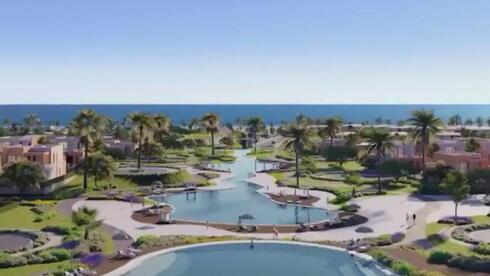
Egypt’s northern Mediterranean coast has transformed into a prime tourist hub, marked by luxurious resorts, gated communities, and high-end development projects. While this area attracts affluent Egyptians, the vast majority of the country faces serious economic challenges. The stark contrast has ignited long-standing critiques, pointing out that these exclusive resorts are often removed from the lives of average citizens. Recently, however, issues emanating from these coastal retreats have begun to surface, raising questions about accessibility and ownership in this idyllic setting.
The Divide Between Wealthy and Ordinary Egyptians
Many Egyptians refer to the stretch between New Alamein and Ras el-Hekma as the “bad coast” due to exorbitant pricing, restrictive entry policies, and its branding as a paradise for only the elite 1%. In contrast, the older, more affordable beaches near Alexandria are dubbed the “good coast.” Critics have raised concerns about the influence of foreign investments, arguing that Egypt is relinquishing valuable coastal areas to overseas entities in its bid to resolve its economic woes.
Reports have surfaced revealing that many upscale resorts impose strict regulations on beach access and guest privileges. For example, the Al Alamein Hotel has been cited for charging a membership fee of $3,000 for just a few visits to its beach area. Property owners within the luxury enclave of Marassi have vocalized frustrations, claiming they cannot freely host family or friends in their homes, which they initially purchased for such purposes. This has reignited debates over who rightly owns access to the Mediterranean coastline, highlighting the ethical dilemmas posed by private property developments.
Rights vs. Privileges: An Ongoing Debate
The current regulations affecting property owners have raised alarm bells about the promises made at the time of purchase. Management at Marassi defends the newly imposed rules as necessary measures for maintaining privacy, safety, and quality service. However, as tensions rise, affected homeowners have taken legal action seeking compensation, arguing that these restrictions have compromised their contractual rights and caused financial setbacks. Many are even contemplating selling their properties due to these unwelcome changes.
The situation has sparked a wave of reconsideration among the Egyptian populace, many of whom had previously perceived these luxury developments as exclusive enclaves. In a twist of irony, those who once sought to separate themselves from the rest of society now find themselves confronted with the same barriers keeping them apart.
Foreign Investments and National Concerns
The controversy surrounding these coastal developments has heightened scrutiny regarding Egypt’s reliance on Gulf investments. Many critics believe that the government is compromising its own citizens’ rights to land and resources in exchange for foreign capital. Allegations have arisen that some resorts even demand payment in foreign currency, prompting wider discussions about the legality and ethical considerations of such practices.
Furthermore, inflammatory claims have surfaced linking the Emirati developments with controversial geopolitical narratives, some even referring to them as “Emirati-Israeli colonies.” Activists allege that these projects symbolize a broader surrender to foreign interests, jeopardizing access to what should be shared national treasures.
In summary, the ongoing debate over these luxurious developments underscores the paradox of exclusivity versus accessibility. Homeowners argue that they invested in a lifestyle of luxury, while the broader Egyptian society raises significant questions about equity and the implications of hindering public access to vital resources. Those who sought refuge in a carefully constructed paradise now grapple with the irony of being denied entry to their own retreats.