
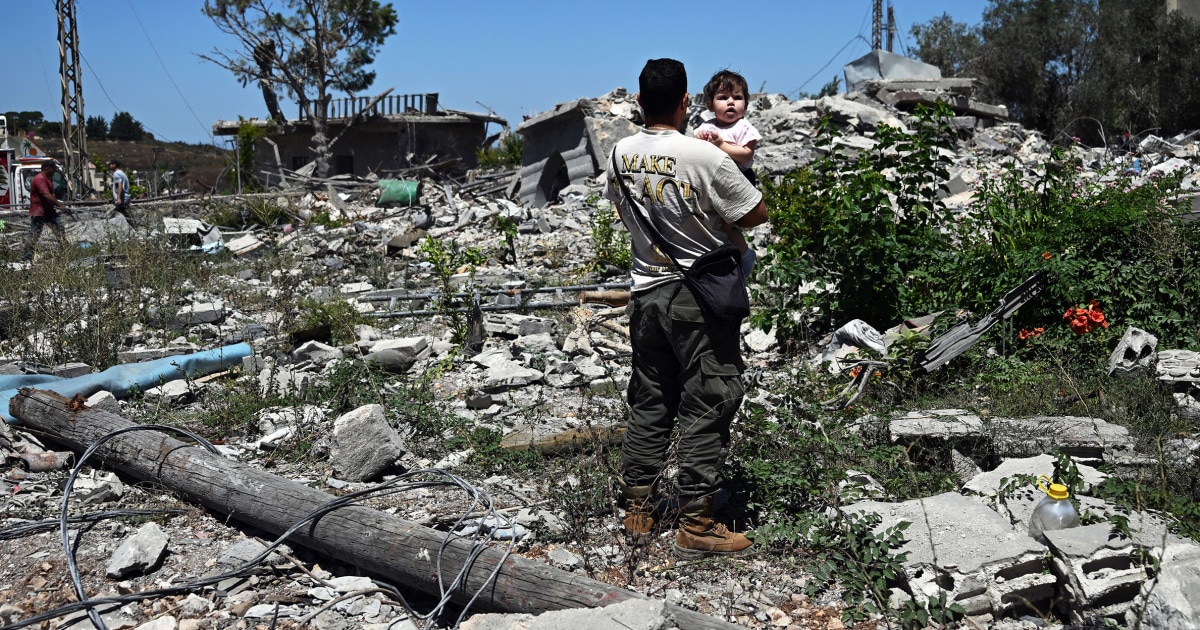
Lebanon is facing an unprecedented crisis as its infrastructure crumbles, leaving residents in dire straits. The ongoing issues have dramatically impacted daily life, resulting in a widespread humanitarian emergency. Many families are struggling to meet even their basic needs, and the extent of the damage is both profound and heartbreaking.
The Deteriorating Situation
Recent reports paint a grim picture of what daily life in Lebanon has become. Essential services like water and electricity are non-existent in many neighborhoods. A father of three expressed his frustration, stating, “There is no infrastructure left. No water. No electricity. Nothing.” This sentiment echoes among countless other families who have returned to their homes only to find them uninhabitable. The pilot zone program designed to support residents struggling to return has proven insufficient amidst the overwhelming scale of devastation.
While some areas have experienced temporary improvements, the overall situation remains dire. Residents are often forced to rely on makeshift solutions, such as bottled water and generators, to meet their needs. The lack of stability has led to rising tension within communities, as people struggle to adapt in an environment where basic necessities are no longer guaranteed.
Humanitarian Impact on Families
The collapse of infrastructure has far-reaching implications on families. Children are particularly vulnerable during this crisis, facing disturbances in education and healthcare access. Schools have been closed or rendered unusable, which jeopardizes years of academic progress. Parents grapple with the challenge of keeping their children safe and healthy while also trying to provide for them in a collapsing economy. The difficult circumstances are a stark reminder of what can happen when essential systems fail, leaving families to fend for themselves.
Furthermore, the ongoing economic issues exacerbate the challenges families face each day. Food scarcity, skyrocketing prices, and limited job opportunities have plunged the population into poverty. The loss of economic stability results in a loss of hope for many, making it increasingly difficult for families to envision a brighter future.
International Response and Future Outlook
In light of the dire situation in Lebanon, various international organizations and foreign governments have stepped in to provide assistance. However, the aid often falls short as logistical challenges complicate relief efforts. Those on the ground are calling for more comprehensive measures to restore not just essential services but also the societal frameworks that are crucial for long-term recovery.
Looking ahead, the crisis in Lebanon will require sustained attention and commitment from both local leaders and global allies. As communities assess their needs, it is vital that strategies prioritize rebuilding essential infrastructure to foster resilience against future crises. The situation is complex, but with a concerted effort, there is hope for transformation.
The resilience of the Lebanese people shines through even in these dark times. Through solidarity and support, there is potential for rebuilding what has been lost, but only if immediate actions are taken to address the challenges on multiple fronts.